Descrição
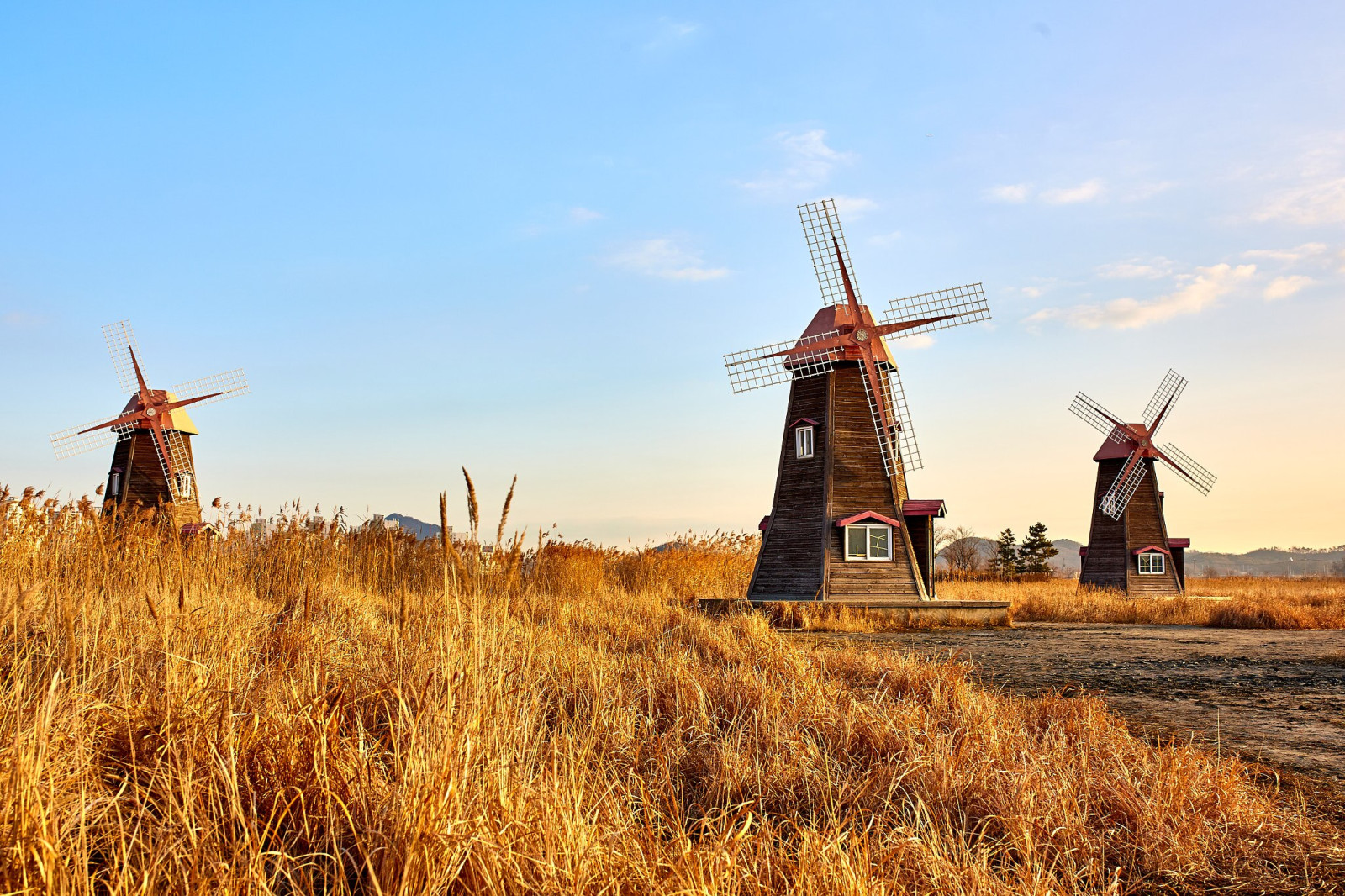
Sorae Wetland Eco Park (인천--소래습지생태공원) sits on the site of former salt fields that have been restored into a wide, open landscape of tidal flats, reed beds, and shallow wetlands. The park is known for its three wooden windmills standing in the middle of the reeds, which have become a symbol of the place. Sorae Wetland is easy to reach from Seoul by metro.
The park contains a mixture of salt marsh, mudflats, fresh and brackish wetlands providing habitat for a variety of bird species. The main walking track around the edge of the park is raised above the surrounding mudflats and tidal water enters through a gate on the eastern side. The mudflats, and brackish water create a mosaic that attracts migratory birds, small shorebirds, and wetland species throughout the year. But most birds can be observed in spring and especially autumn, when migratory species move along the East Asian–Australasian Flyway.
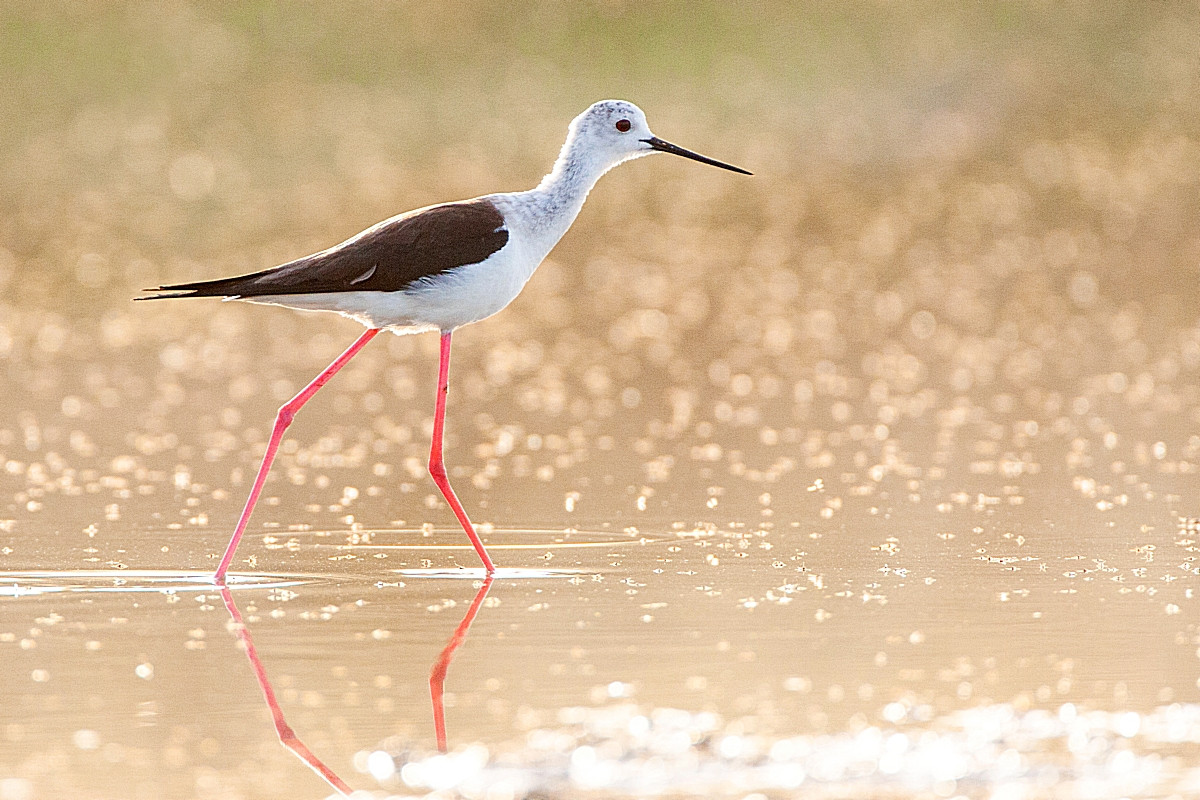
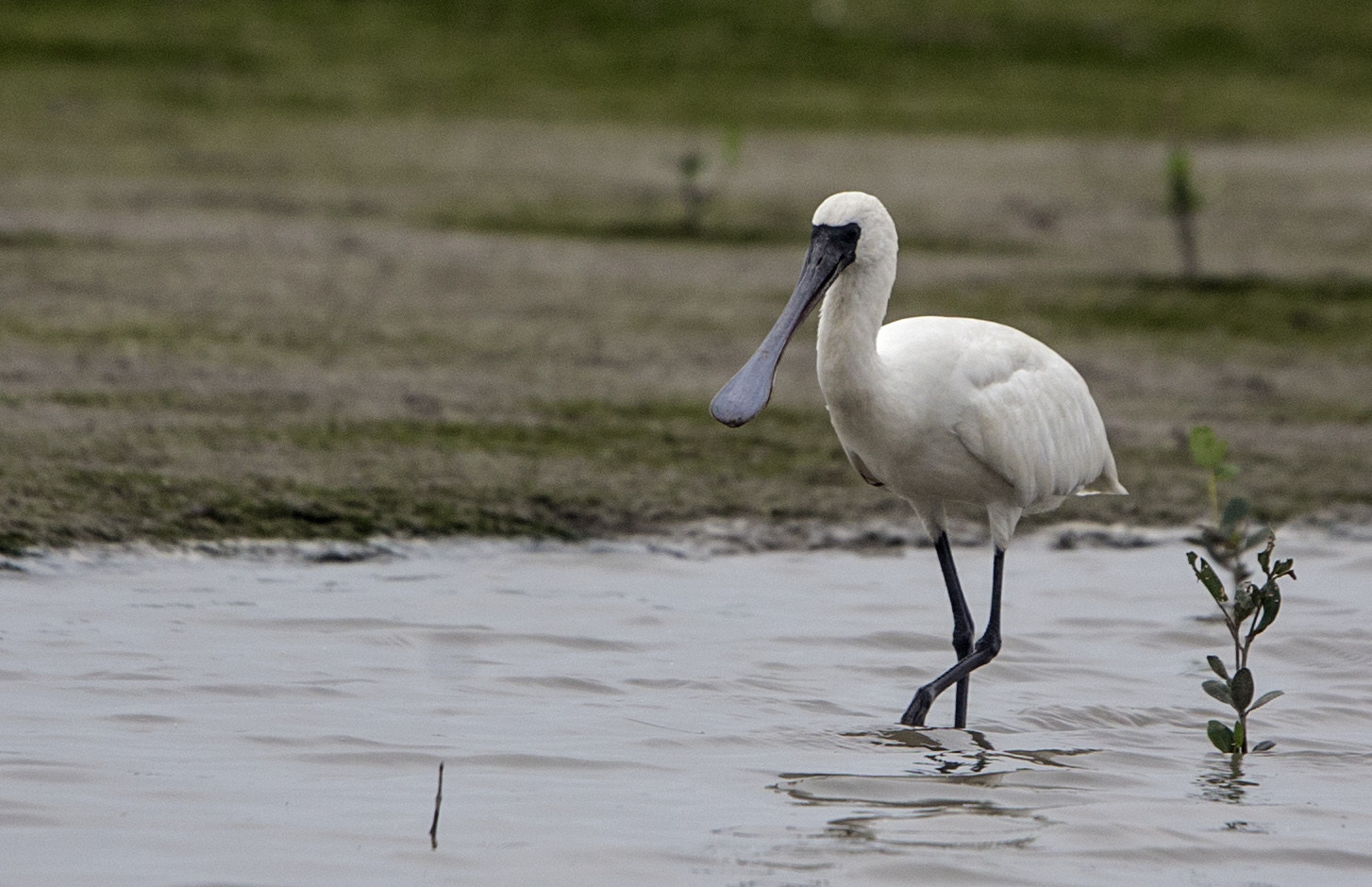
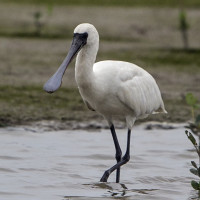
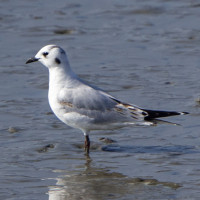
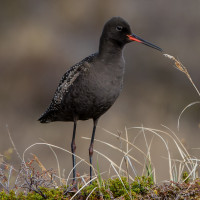
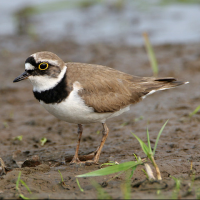
Birds you can observe include Eastern Spot-billed Duck, Northern Shoveler, Black-winged Stilt, Little Ringed Plover, Terek Sandpiper, Common Redshank, Common Greenshank, Black-tailed Gull, Black-faced Spoonbill, Bull-headed Shrike, Chinese Penduline-Tit, Oriental Reed Warbler and Vinous-throated Parrotbill.
Detalhes
Acesso
Sorae Wetland Eco Park sits in Namdong‑gu, Incheon, about 25 km southwest of the city center of Seoul. Most visitors travel by metro from Seoul with the Suin Line to Soraepogu Station. From there it is a 1 km walk to the park’s entrance. Entrance to the park is free. If you arrive by car, you can also park close to Sorae Wetland. Press P on the map for directions to a parking.
Raised boardwalks provide access across the brackish lagoons and there are plenty of small shelters with seats to have a break. The circular walking route shown on the map is about 5 km. Toilets are located at the large three storey visitor centre in the south-western corner of the park. The view from the top deck provides a good outlook over the park and surrounding areas. The former salt‑storage building now serves as an ecological museum, offering context about the site’s industrial past and its transformation into a conservation area.
 ) para inserir nomes de aves no seu idioma. Os nomes das aves serão traduzidos automaticamente para outros utilizadores!