Descrição
Yala National Park is one of the most renowned wildlife reserves in Sri Lanka, covering about 978 square kilometers. It is particularly famous for having one of the highest leopard densities in the world. Beyond leopards, the park supports a rich variety of mammals, including elephants, sloth bears, spotted deer, sambars, wild boars, and jackals.
Over 200 bird species have been recorded, including many migratory birds. Yala National Park presents a dramatic and ever-changing landscape, shaped by its location in Sri Lanka’s semi-arid dry zone and its direct border with the Indian Ocean. The park is primarily a flat and mildly undulating plain, with elevation rising from 30 meters at the coast to roughly 125 meters further inland.
Unlike inland parks, Yala sits at the edge of the Indian Ocean, creating a rare meeting point of disparate habitats:
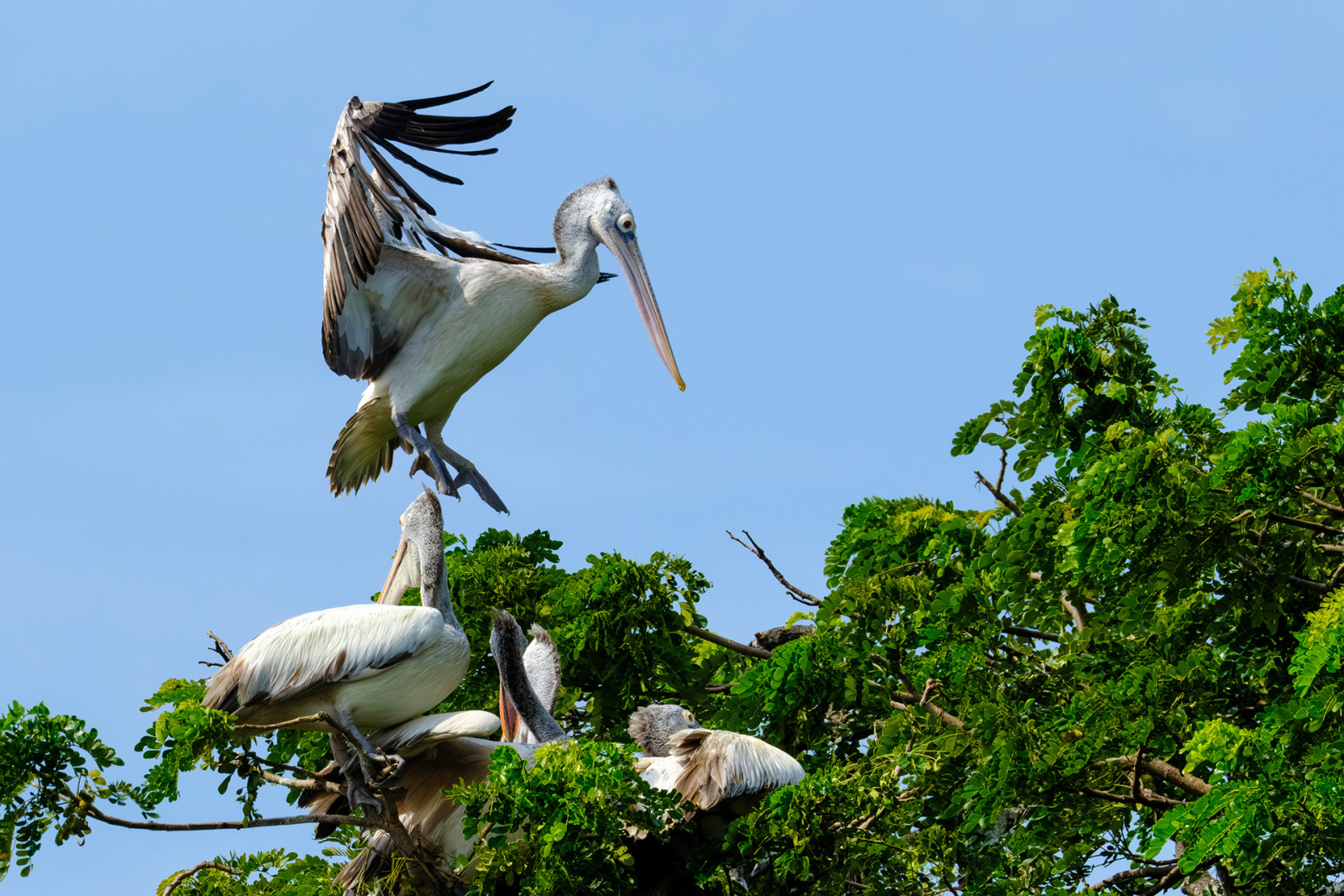
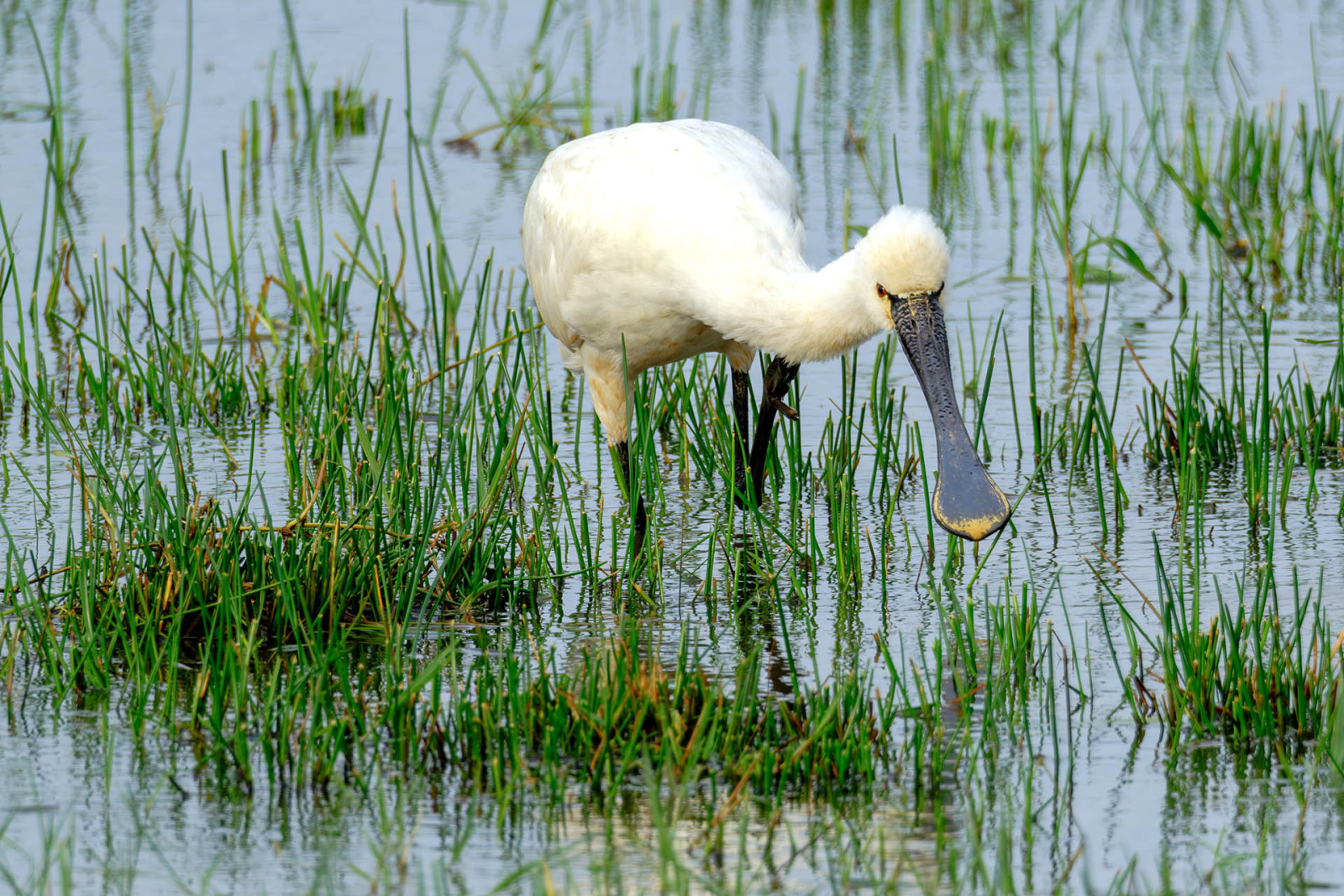
Coastal Wetlands & Lagoons: These attract thousands of migratory waterfowl, such as Greater Flamingo, Spot-billed Pelican, and various waders.
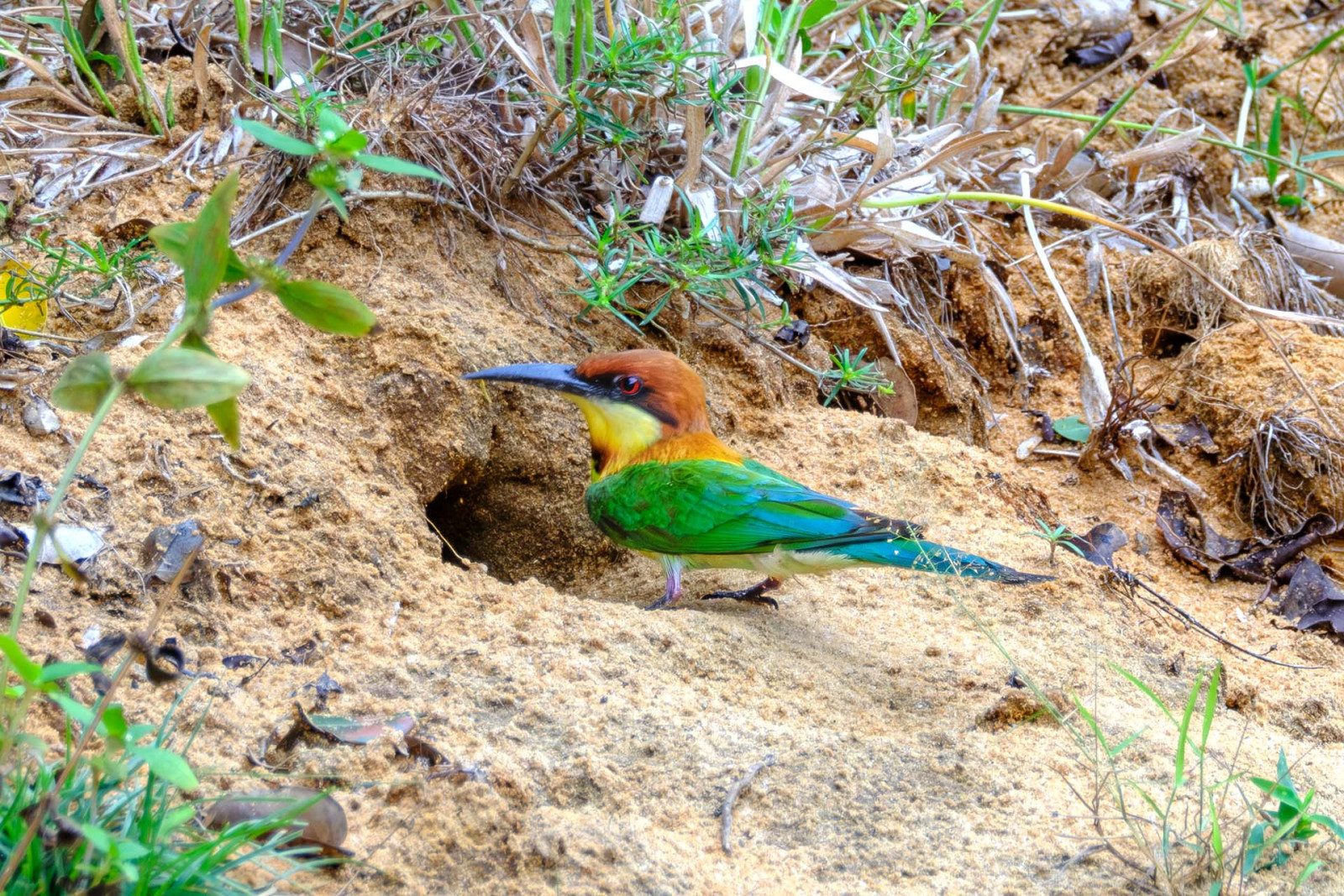
Dry Monsoon Forests & Scrub: These provide cover for vibrant forest birds like the Indian Paradise-Flycatcher and various species of bee-eaters.
Open Plains: Ideal for spotting raptors like Crested Serpent-Eagle and White-bellied Sea-Eagle circling for prey.
Detalhes
Acesso
Most travelers stay in the gateway towns of Tissamaharama (Tissa) or Kataragama. The most efficient method is by car/private transfer. From Colombo, use the Southern Expressway (E01) to reach the park in about 4.5 to 5.5 hours. From Ella, the drive takes roughly 2.5 to 3 hours via the A11.
By Bus: Direct long-distance buses run from Colombo (Bastian Mawatha) to Kataragama. While very affordable, the journey can take 7–9 hours. If coming from the south coast (Mirissa/Galle), take a bus heading toward Matara and then transfer to Tissa.
By Train: There is no direct train to Yala. You can take the scenic "Main Line" to Ella or Haputale, or the "Coastal Line" to Beliatta. From these stations, you must hire a taxi or take a bus for the final 2–3 hour leg of the journey.
By Air: For a faster arrival, Cinnamon Air operates scheduled domestic flights from Colombo (BIA or Waters Edge) to Weerawila (WRZ) or Mattala (HRI), which are both just a 30-minute drive from the park entrance.
Entering the National Park: You cannot drive your own vehicle into the park. You must hire a licensed 4x4 safari jeep with a driver/naturalist. Palatupana Gate (Block 1) is the primary and busiest entrance, best accessed from Tissamaharama. Katagamuwa Gate (Block 1 & 2) is located further north, offering a quieter entry point for those staying near Kataragama. Galge Gate (Block 3 & 5) is located on the Buttala-Kataragama road, ideal for those wanting to explore the less crowded northern blocks.
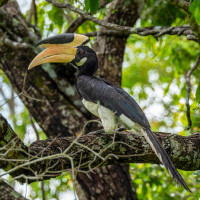
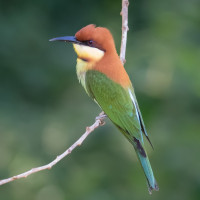
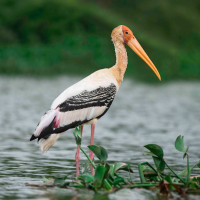
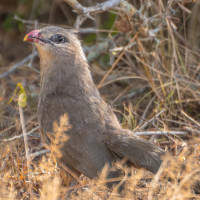
 ) para inserir nomes de aves no seu idioma. Os nomes das aves serão traduzidos automaticamente para outros utilizadores!