Descrição
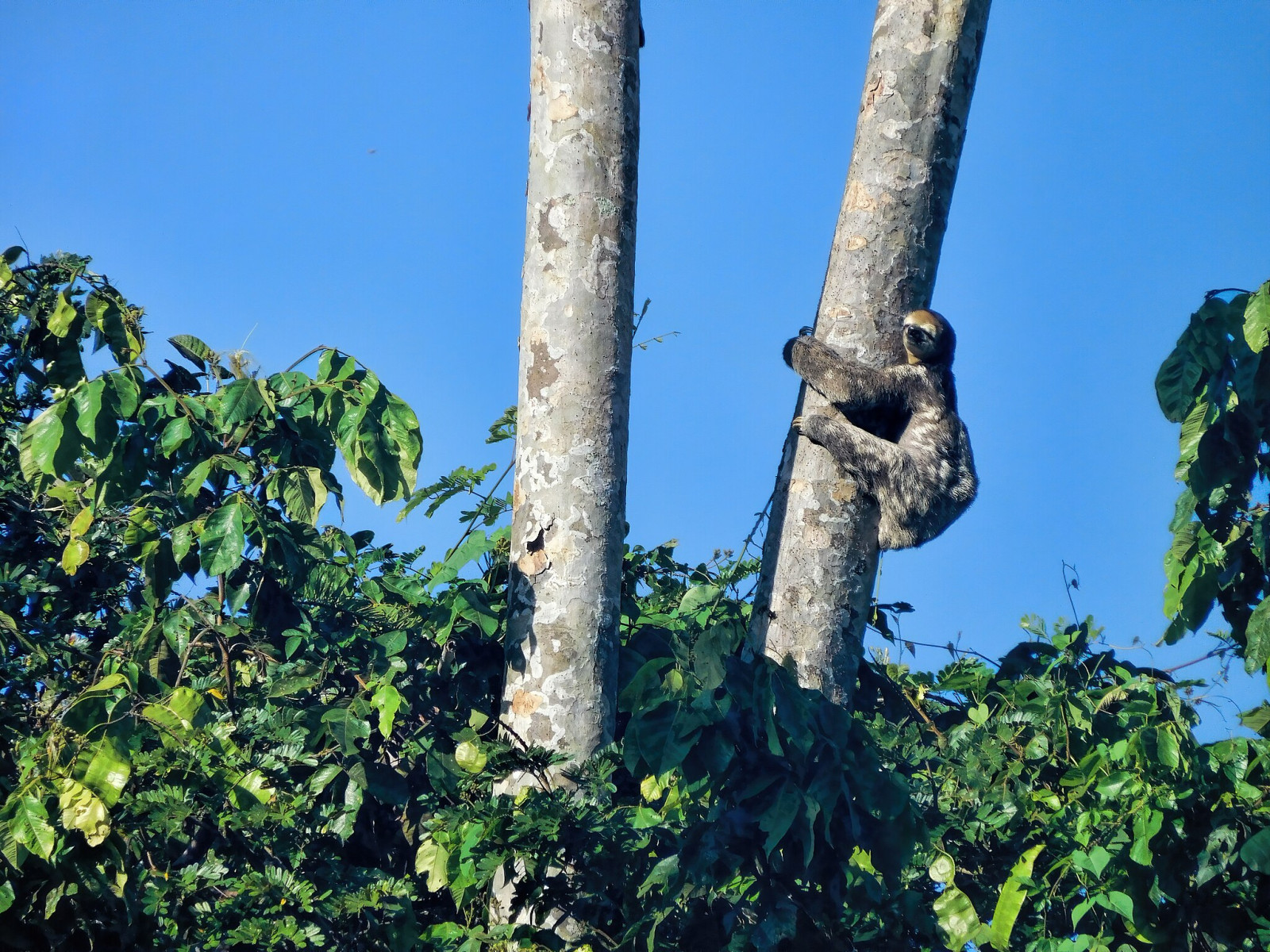
The former Peperpot plantation with its coffee trees, the kofimama's (shade trees), the drainage canals, the locks, in short, everything that was shaped by people for generations has now become a stage for nature. The coffee and cocoa trees can still be recognized and are now overgrown with bromeliads, orchids and climbing plants. The animals have taken possession of the area again. Peperpot is popular with birders, but there are also monkeys, giant lizards, sloths, the giant anteater, the jaguar and the largest rodent in the world, the capybara.
The area is 820 hectare and consists of three areas: A forest corridor (706 ha), a buffer zone around the forest corridor (32 ha), and a visitor park (80.89 ha). Visitors are welcome to enjoy the flora and fauna. Because of the forest corridor, wild animals, such as pumas and tapirs, still have the opportunity to go in and out of the park. The Peperpot forest corridor is in direct connection with more distant forest, so that animals from this forest can still reach Peperpot.
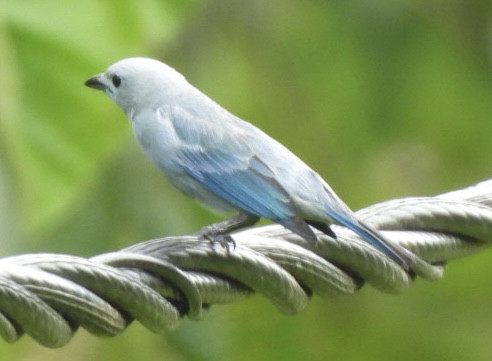
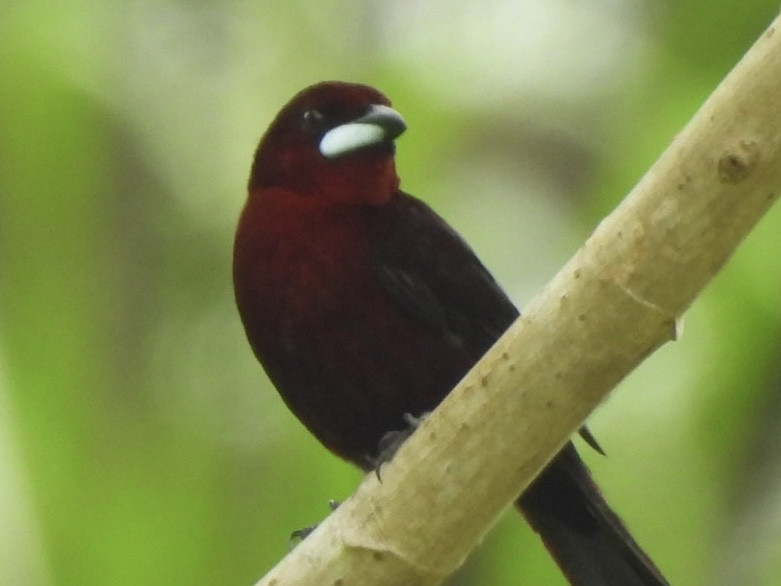
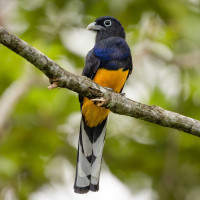
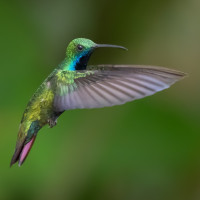
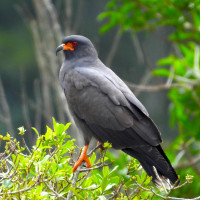
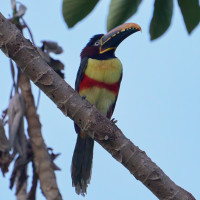
The enormous diversity of birds has given Peperpot Nature Park international fame and the area is popular with birdwatchers. For birdwatching there is a special 12 m high bird tower with a beautiful view in the crowns of the trees around the tower. Birds you can observe include Cinereous Tinamou, Great Potoo, Green-backed Trogon, Green Ibis, Glittering-throated Emerald, Snail Kite, American Pygmy Kingfisher, Black-spotted Barbet, Blood-colored Woodpecker and many more, see the birdlist below.
Detalhes
Acesso
Plantage Peperpot is located in the Commewijne district and is situated on the right bank of the Suriname River, only 5 km from the capital Paramaribo.
Peperpot Nature Park is open daily from 8:00 AM to 5:00 PM. For more information, visit the website (see link below) or call (0) 354- 547 | 881-5533 (WhatsApp)
Terreno e Habitat
FlorestaCondições
PlanoCaminho circular
Simé útil um telescópio?
NãoBoa temporada de observação de aves
Durante todo o anoRota
Caminho largo , Caminho estreitoCaminho dificil
FácilAcessível por
PéAbrigo/plataforma deobservação de aves
SimInformação extra
Plantation Peperpot was closed in 1994. At the end, citrus was produced there. The secondary forest that was formed after the closure of the plantations has slowly evolved into primary forest.
 ) para inserir nomes de aves no seu idioma. Os nomes das aves serão traduzidos automaticamente para outros utilizadores!