Descrição
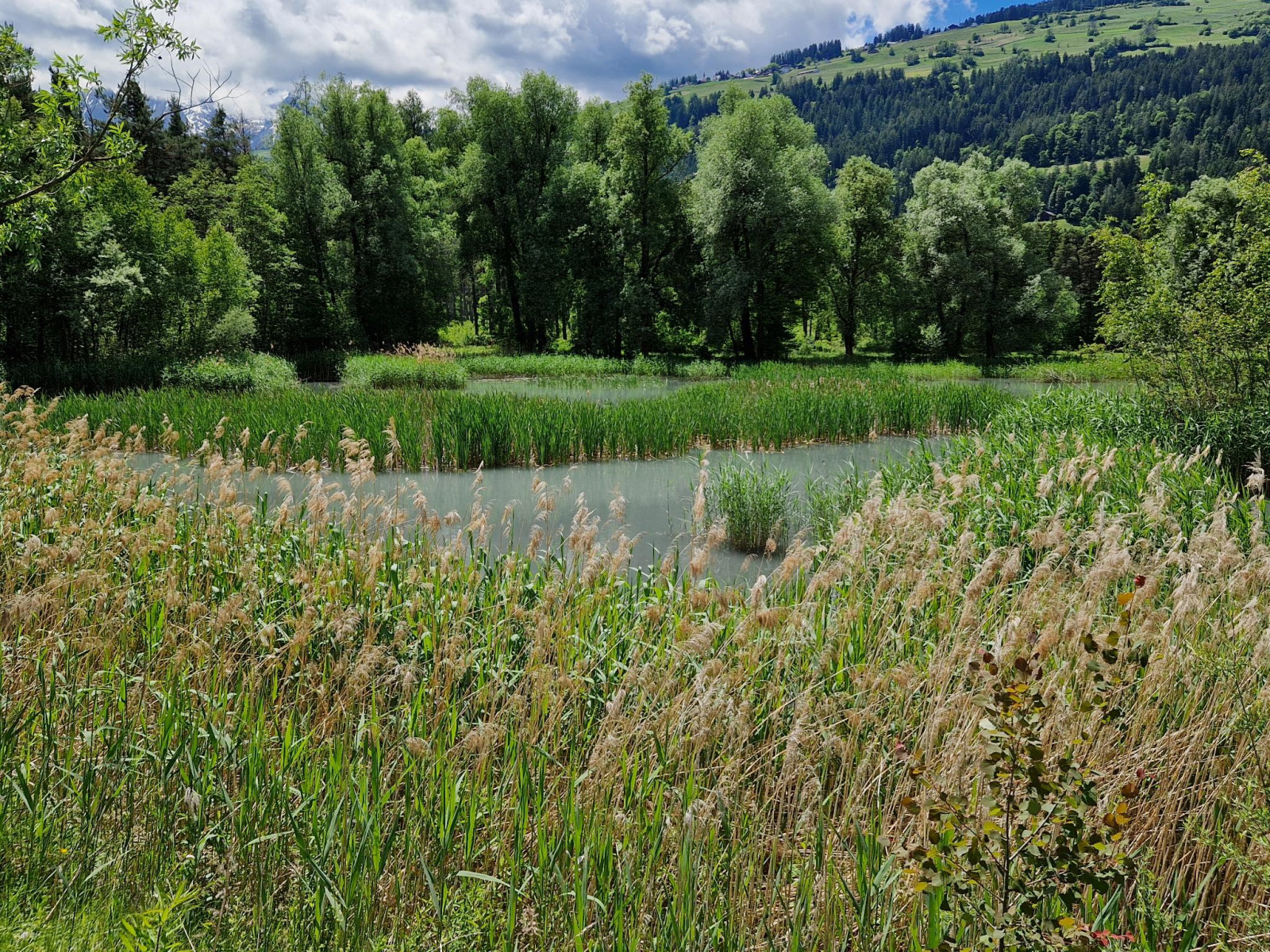
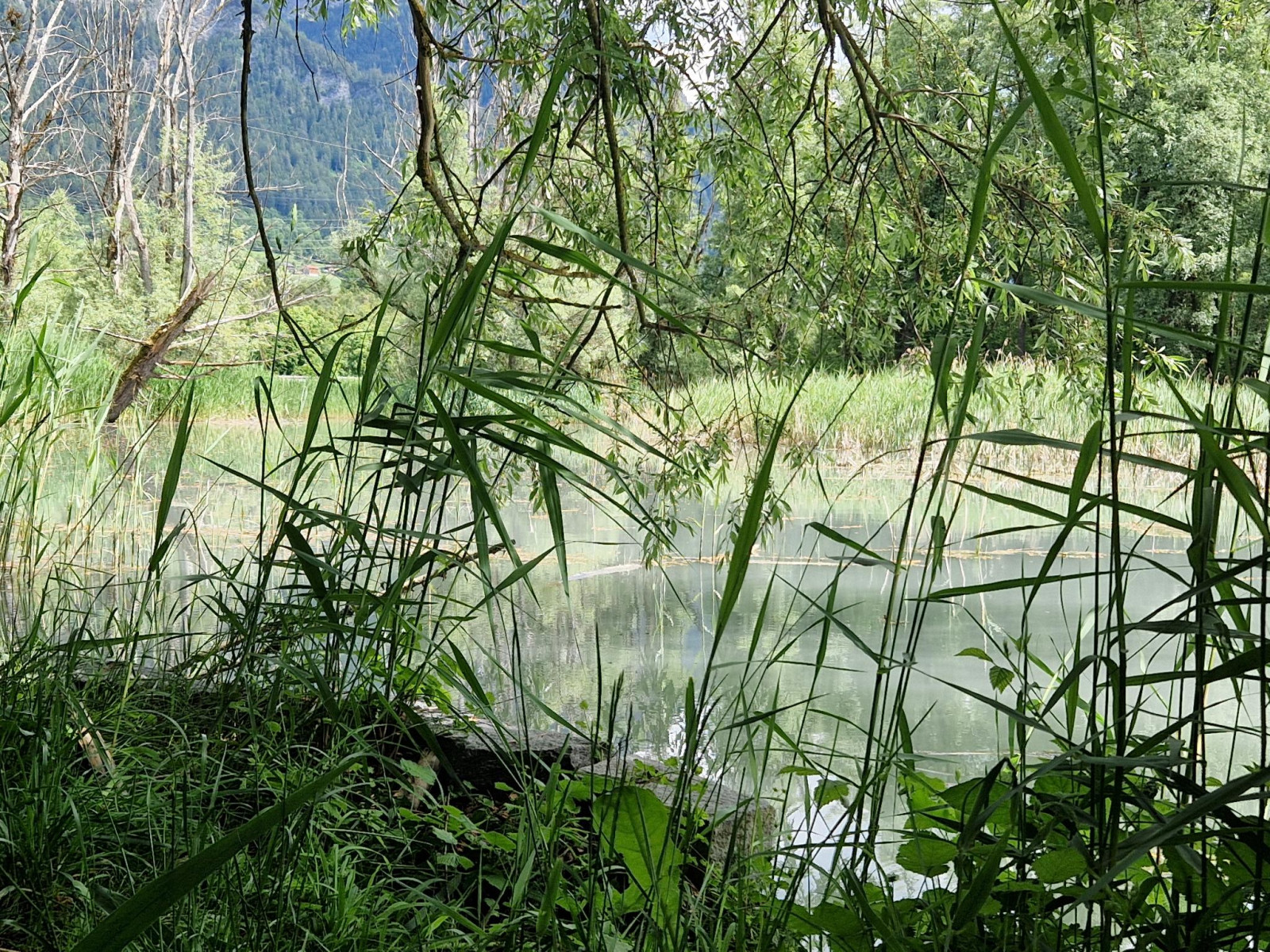
Set within the intensively used valley landscape along the channelized Hinterrhein, the Munté nature reserve at Cazis is the only semi-natural aquatic habitat in the area. Established near the close of the 20th century and covering just 13 hectares, it consists of several shallow ponds fed by Rhine water, bordered by reeds and willows. Other than birds, the area provides a habitat for species such as beaver, badger, and various small mammals.
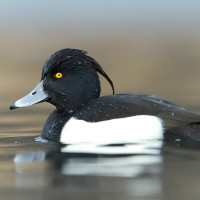
During migration periods, it becomes a resting place for bird species that depend on wetland environments. While the Hinterrhein Valley isn’t a primary migration corridor within Switzerland, a number of notable birds that are rare in the Alpine region have been recorded here. Among the approximately 140 species observed, there are (predominantly spring migration) reports of Narceja-comum, Pisco-de-peito-azul, Marreco, Pato-trombeteiro, Garça-branca-pequena, and Pássaro-bique-bique. Both Garça-roxa and Socó-taquari have been spotted occasionally even into May. In June 2021, a singing Rouxinol-grande-dos-caniços was confirmed.
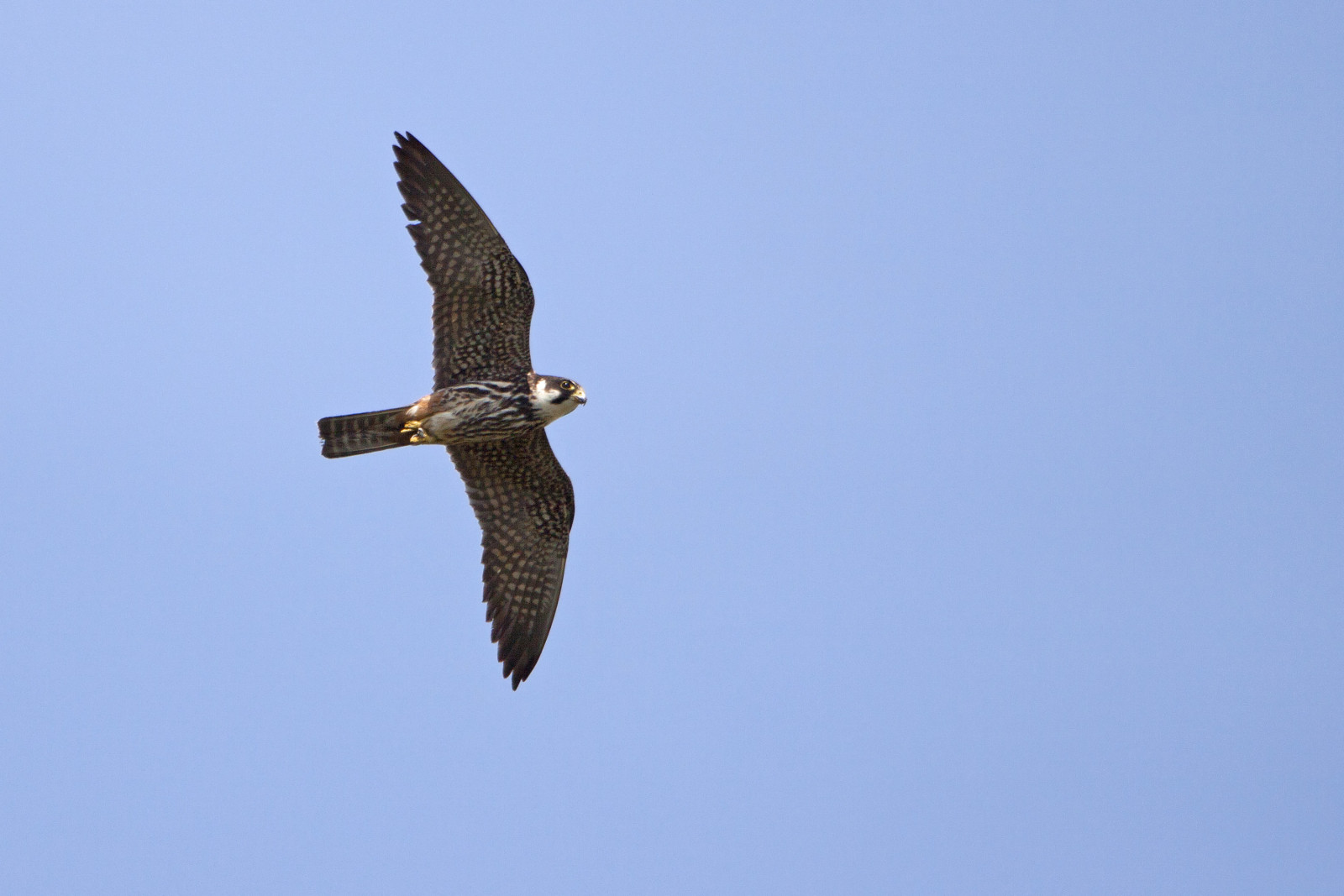
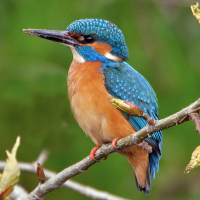
Before and after the breeding season, one may also catch sight of the Guarda-rios-comum. Verified breeding records are limited to a few species, such as Ógea, Mergulhão-pequeno and Zarro-negrinha, though Escrevedeira-dos-caniços, Rabirruivo-de-testa-branca, and Cartaxo-comum have also been sighted during safe times (the latter two in the surrounding fields). In autumn, it’s worth watching out for Tartaranhão-ruivo-dos-pauis, Chapim-de-faces-pretas, and Abibe-comum. In November, the Garça-branca-grande, rare in the canton, was documented. Alongside these sightings, several rarities highlight the potential of this still-young reserve: A Papa-ratos was observed in 2011, followed by a Franga-d'água-grande in 2012, a Perna-vermelha-comum in 2019, and a Garça-pequena in 2022.
Detalhes
Acesso
The Munté site is divided into two pond complexes. One to the north (1) and one to the south (2). Both can be viewed from a slightly raised path that runs parallel to the Rhine and the highway. Additionally, the southern section can be observed from a cross-trail coming from Cazis, which also features a viewing platform at the entrance to the reserve (3). The elevated path is accessible via stairs and is not wheelchair-friendly. The nearest public transport stop is Rodels-Realta, reachable via Rhätische Bahn from Chur or Thusis. A small parking area is also located nearby (click P on the map for directions).
Terreno e Habitat
Floresta , Terras húmidas , Rio , Camas de junco , Árvores e arbustos dispersos , Campina , Pequeno lagoCondições
PlanoCaminho circular
Nãoé útil um telescópio?
NãoBoa temporada de observação de aves
Primavera , OutonoMelhor hora para visitar
Migração da primavera , Migração de outonoRota
Caminho largo , Estrada não pavimentadaCaminho dificil
FácilAcessível por
Pé , Bicicleta , Cadeira de rodasAbrigo/plataforma deobservação de aves
NãoInformação extra
For the best experience, it’s recommended to visit the reserve during quieter times on the close-by highway. Early morning is ideal. In the vicinity, two additional sites are well worth a visit: the Heinzenberg to the west, where Cartaxo-nortenho breeds in high numbers, and the Rhine dam area near Reichenau/Tamins, known as a nesting ground for Maçarico-das-rochas.
 ) para inserir nomes de aves no seu idioma. Os nomes das aves serão traduzidos automaticamente para outros utilizadores!