Descrição
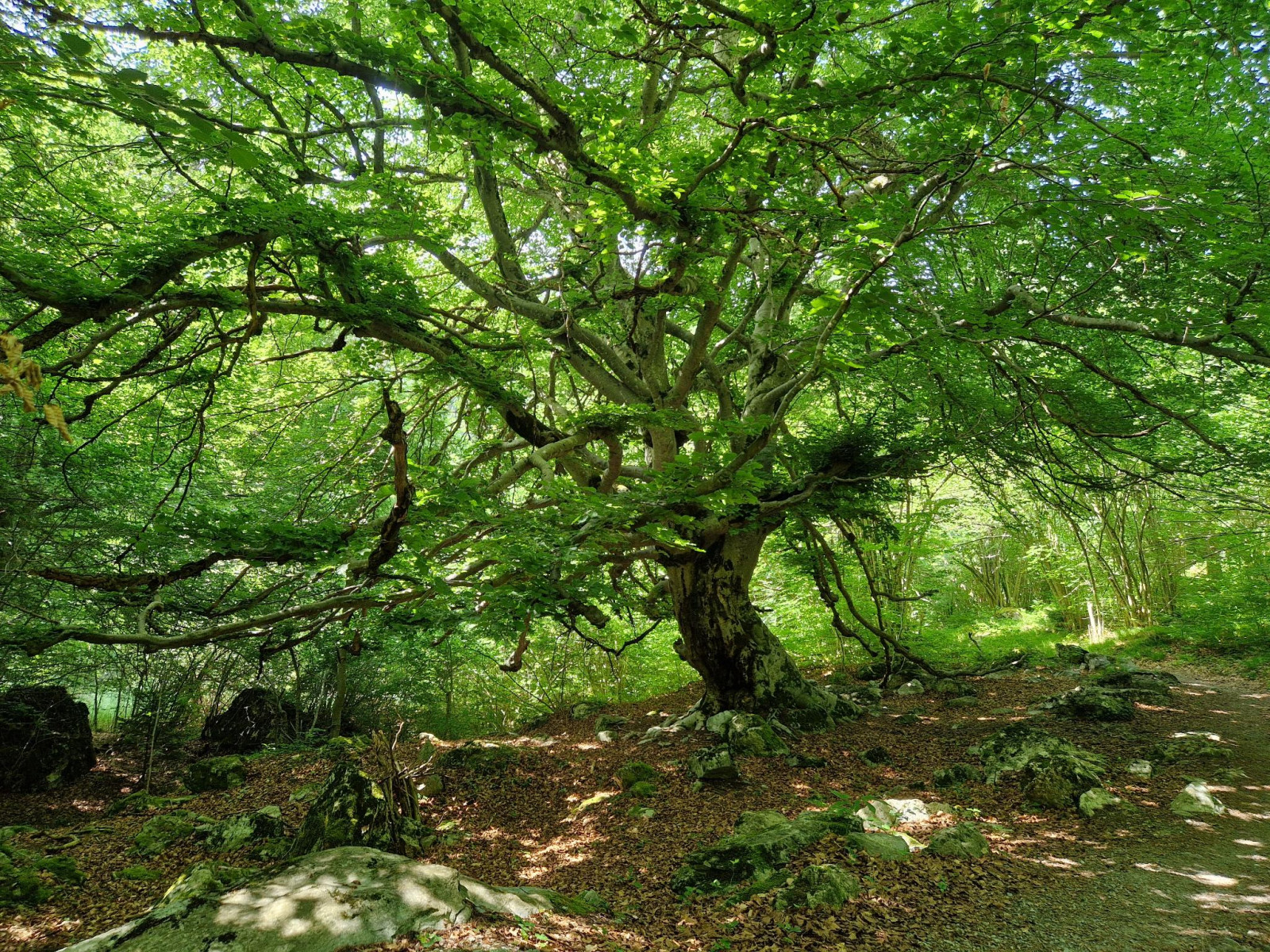
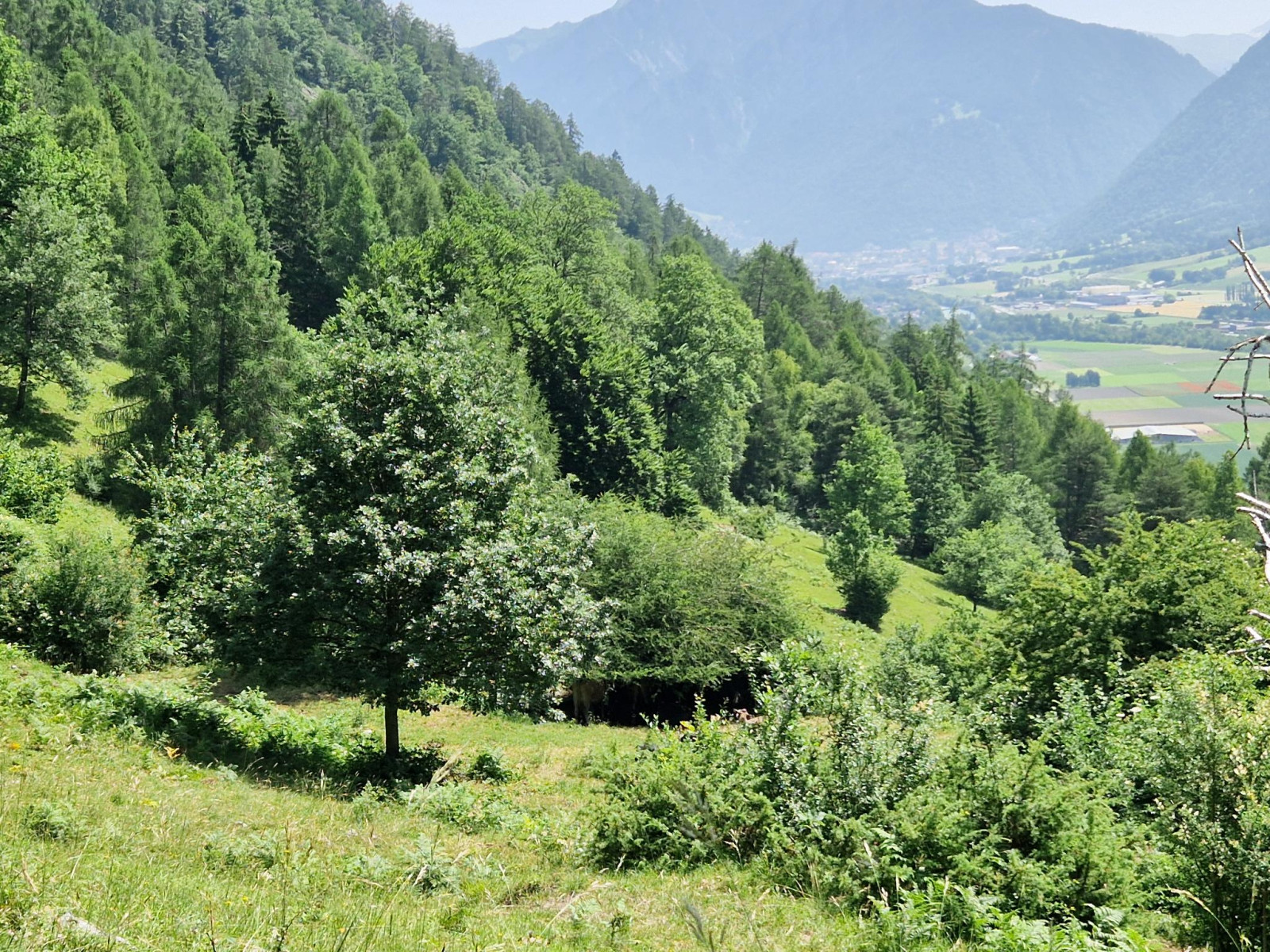
The Tamins oak forest can be explored along a nature trail. Within a relatively small area (approx. 350 ha), it combines various habitats: beech forest in the Ratenna wetlands (1), dry pine forest (2), and nutrient-poor dry meadows (3) on the sun-exposed Benisboden, as well as an oak forest designed as a wood pasture (4). The microstructures and sunny location make the area ideal for insects, lizards, and snakes, but also birds: more than 120 species have already been recorded.
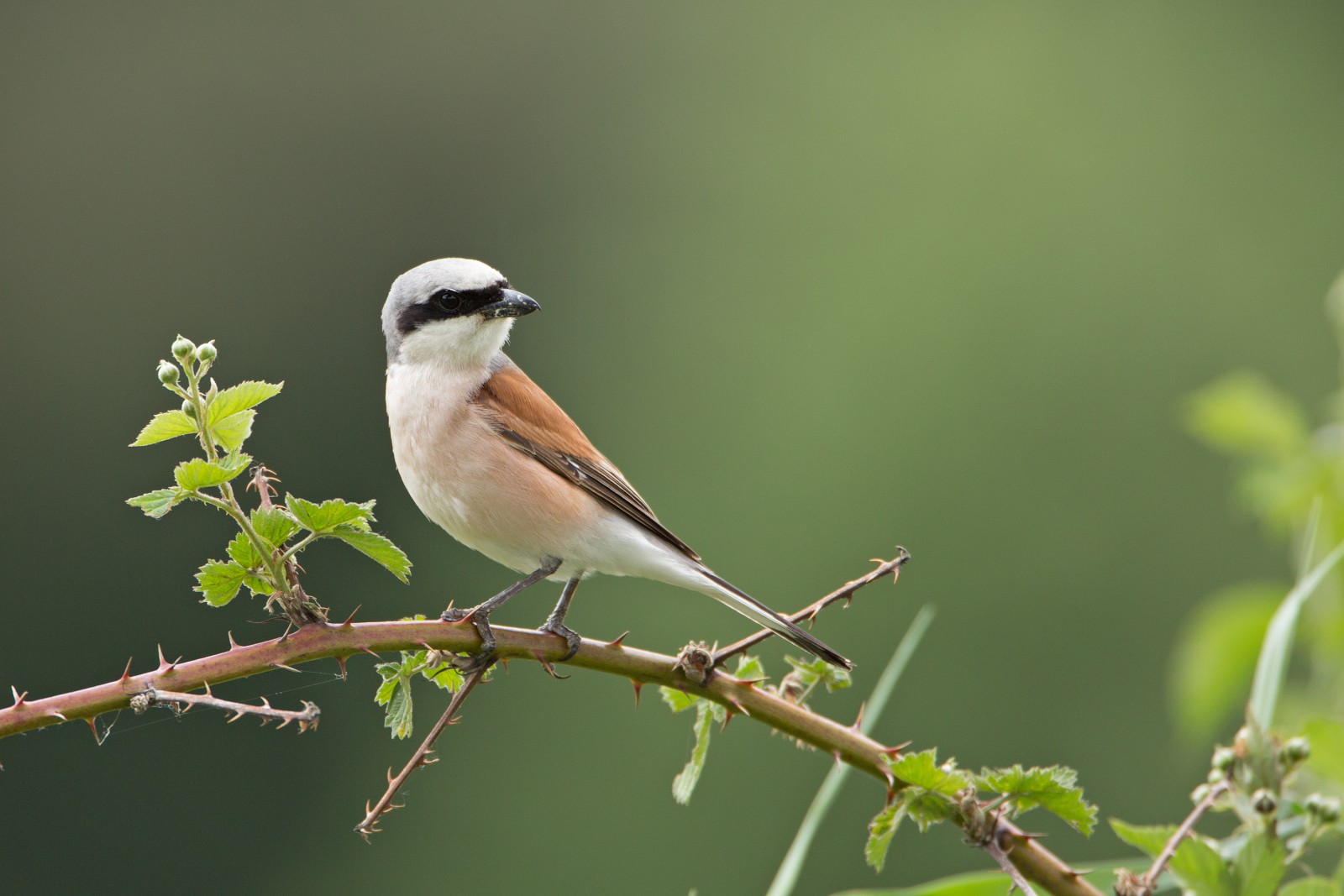
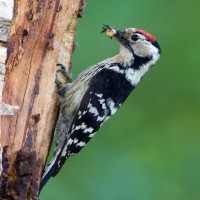
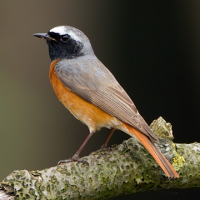
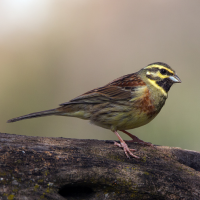
Before arriving at the forest itself, it is worthwhile to search the meadows, bushes, and fruit trees for the Rabirruivo-de-testa-branca and listen for the call of the Escrevedeira-de-garganta-preta. Along the lower path through the beech forest, one follows a lively stream most of the time. Amid the songs of typical forest birds such as Pisco-de-peito-ruivo, melro, Tordeia, and Tordo-comum, the Felosa de Bonelli can regularly be heard – and, somewhat less often, the Felosa-assobiadeira. The shrub-covered dry meadows, rich in insects thanks to ecological grazing, are a perfect habitat for Picanço-de-dorso-ruivo, Petinha-das-árvores, and Escrevedeira-de-garganta-preta. The Cartaxo-nortenho and Cartaxo-comum are also frequently observed. The forest, finally, is home to various woodpecker species: while the call of the Pica-pau-preto more often resounds from the higher Pflida reserve, the Pica-pau-malhado-pequeno and Torcicolo inhabit the old oaks.
Up until spring, sightings of the Verdilhão-serrano are possible, as it visits this area when it gets too cold higher up. The last observation of the Cia dates back some time. The Trepadeira-comum, common in Switzerland but rare in the canton of Grisons, can be observed here regularly. Looking upward is sometimes rewarded with sightings of the Gavião da Europa, Açor, or even Águia-real. At night, the call of the Coruja-do-mato can be heard.
Detalhes
Acesso
The area is best reached on foot from Tamins. It is also located above a cycle path along the Rhine.
Terreno e Habitat
Floresta , Montanha , Árvores e arbustos dispersos , CampinaCondições
Montanhoso , RochosoCaminho circular
Simé útil um telescópio?
NãoBoa temporada de observação de aves
Primavera , VerãoMelhor hora para visitar
PrimaveraRota
Caminho largo , Estrada não pavimentadaCaminho dificil
FácilAcessível por
PéAbrigo/plataforma deobservação de aves
NãoInformação extra
The oak forest did not arise naturally but is a cultural monument: up until the 19th century, oak forests near settlements were planted mainly to fatten pigs. A trail with 19 signs provides information about the area. The cows in the reserve keep the grassland open and thus preserve the diversity of habitats. Please pay attention to the information signs: mother cows should be given a wide berth.
During migration periods, it is worth looking at the nearby dam lake at the Rhine before or after a walk through the oak forest, as it occasionally serves as a resting place for interesting waterbirds.
Ligações
- Information about value and management of the site (German)
- Information about the path, plants and insects (German)
- Information about the trail

 ) para inserir nomes de aves no seu idioma. Os nomes das aves serão traduzidos automaticamente para outros utilizadores!