Descrição
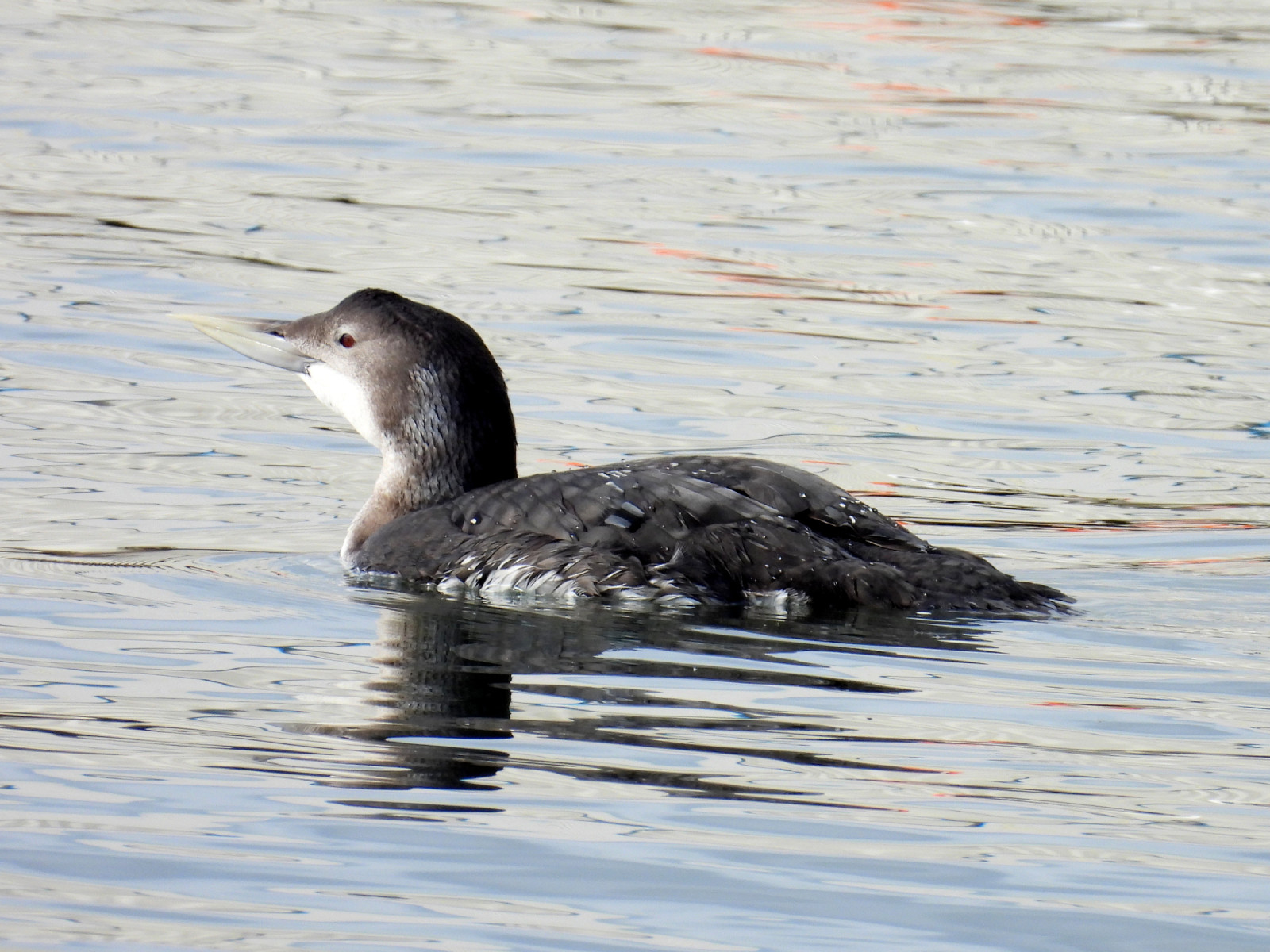
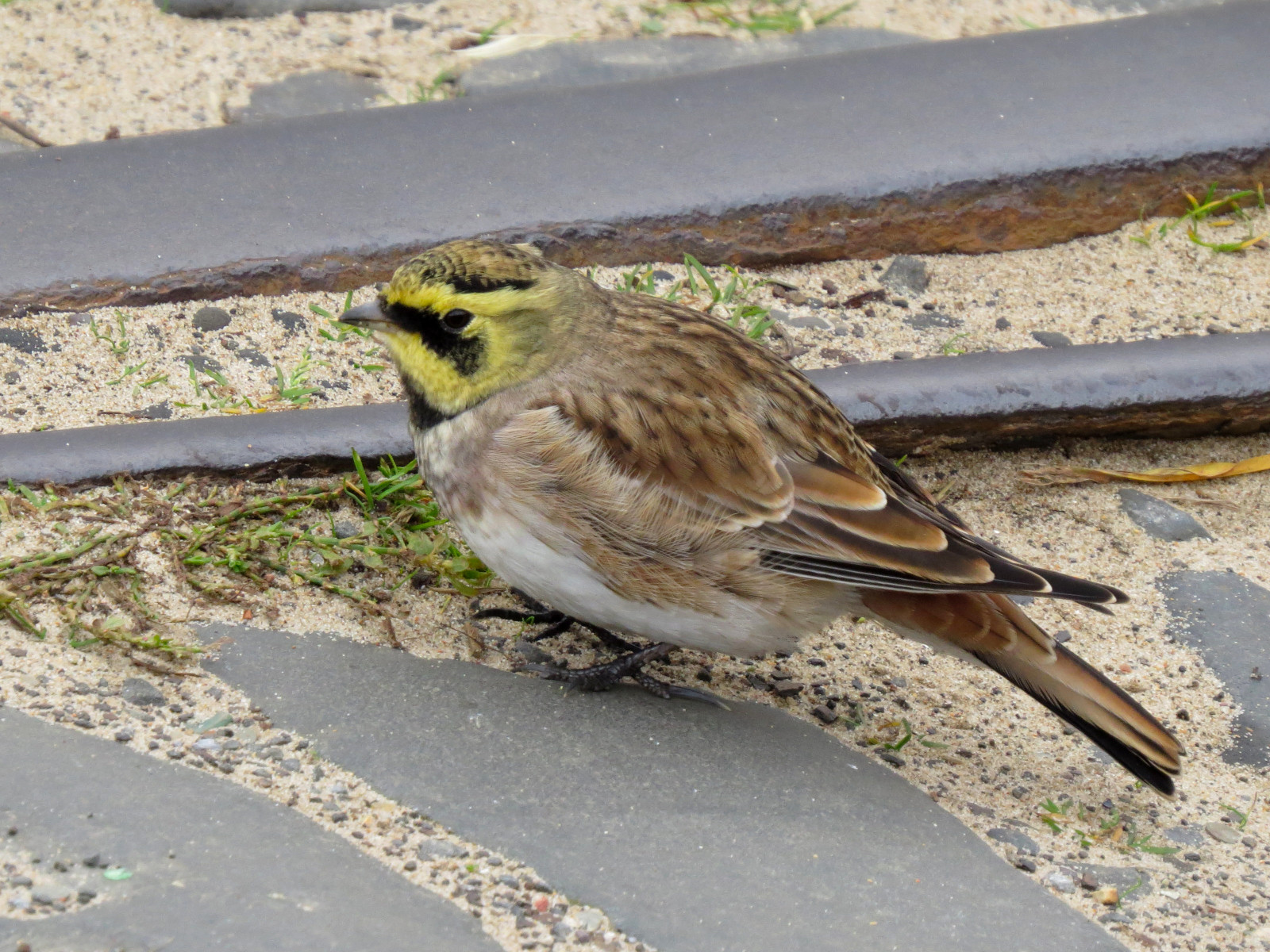
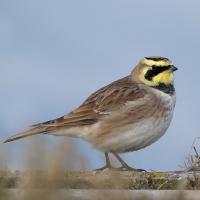
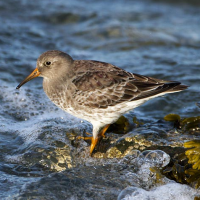
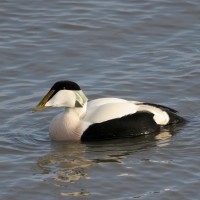
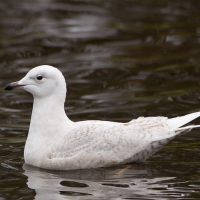
Not the most visually attractive of sites, Blyth South Harbour does however have birding interest. The large gull roost often attracts Gaivota-hiperbórea and Gaivota-polar in winter, while a 'scope view across the river to the (inaccessible) North Mole sees a good high tide roost of Corvo-marinho-de-crista and Pilrito-escuro. The river itself usually has a flock of Eider-edredão, and less regularly, Merganso-de-poupa and Pato-preto, while auks like Arau-comum and Torda-anã can be seen on the sea to the south. A line of sand dunes extends south from the harbour for about 4 km, and as the harbour end of the dunes is often the quietest stretch with fewer dog walkers, Escrevedeira-das-neves tend to gather at this end, as do the occasional Cotovia-cornuda and Escrevedeira da Lapónia. The barrier of the North Mole prevents the South Harbour being a good seawatching site, but birds migrating higher overhead along the coast like Ganso-de-bico-curto and Cisne-bravo can be seen. Rarities have included three Mobêlha-de-bico-branco (including two together in February 2026!) and a Mergulhão-de-pescoço-ruivo or two.
Detalhes
Acesso
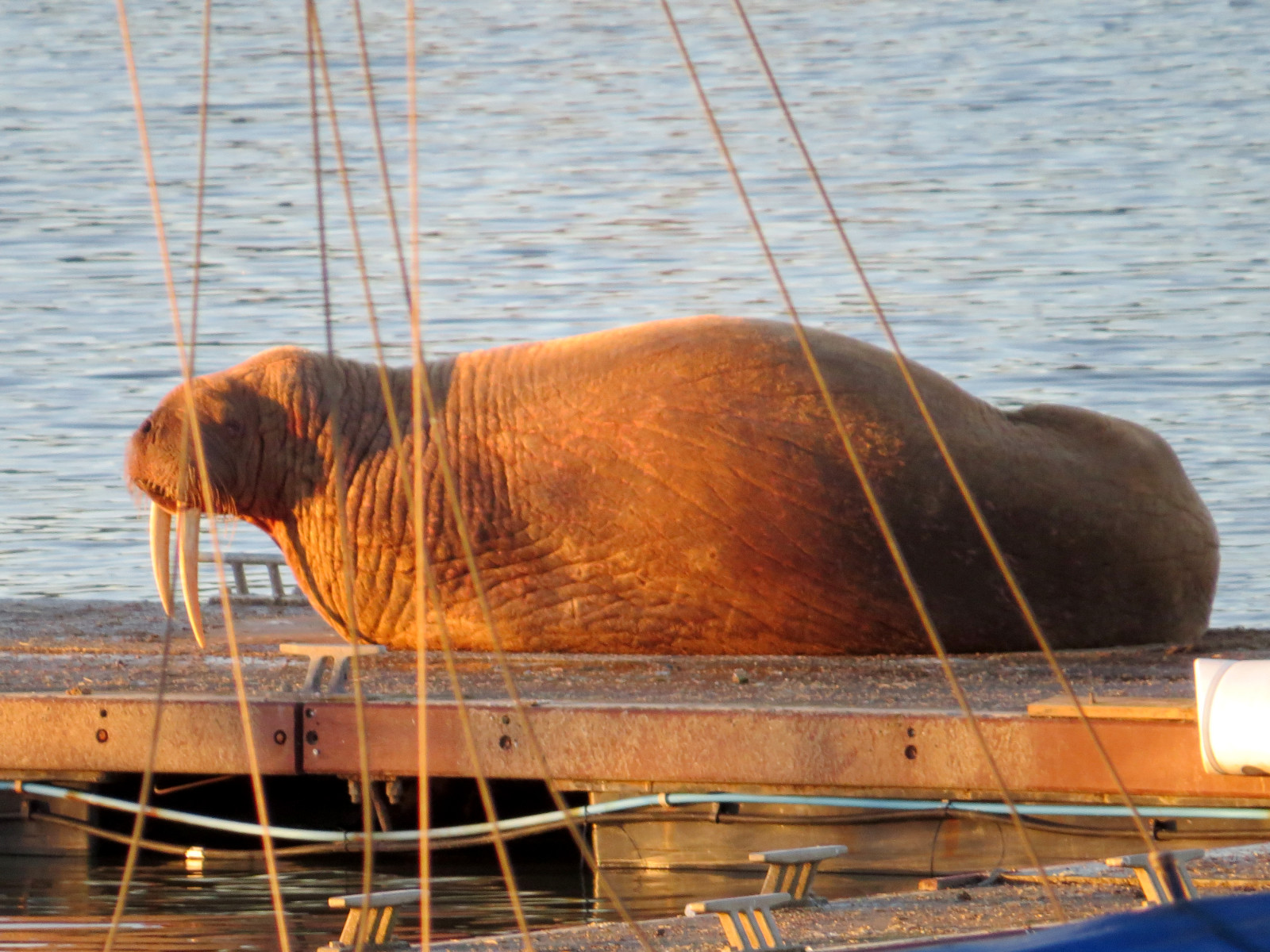
Busses 308 and 309 between Newcastle upon Tyne and Blyth run past the entrance, and there is a small car park (often busy with fishermen so space can be limited). The harbour road beyond the car park is closed to cars (except for local boat owners), but is open to cyclists and pedestrians. Walk along the dunes and back along the harbour road, or vice-versa; scan the harbour pontoons and staiths for gulls (and the occasional Walrus!).
 ) para inserir nomes de aves no seu idioma. Os nomes das aves serão traduzidos automaticamente para outros utilizadores!