
Descrição
Carlton Marshes lie in the Waveney Valley at the southern tip of the Norfolk Broads and is part of the Suffolk Broads. It comprises a jigsaw of grazing marsh, fens, peat pools, short fen meadow, tall fen (called 'tall litter fen'), dykes, pools and scrub. Mostly man-made, these habitats have developed over hundreds of years of traditional management and now host specialised wildlife.
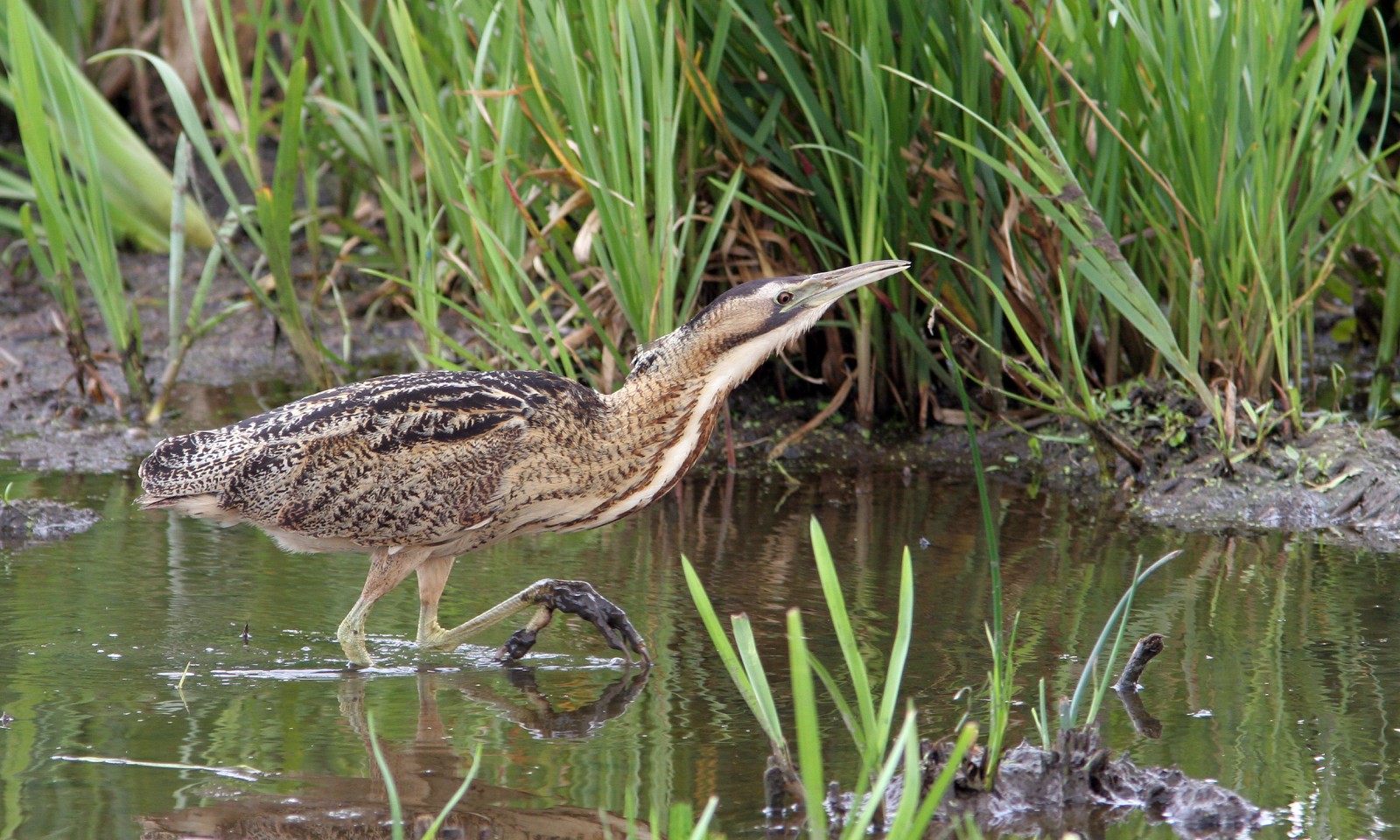
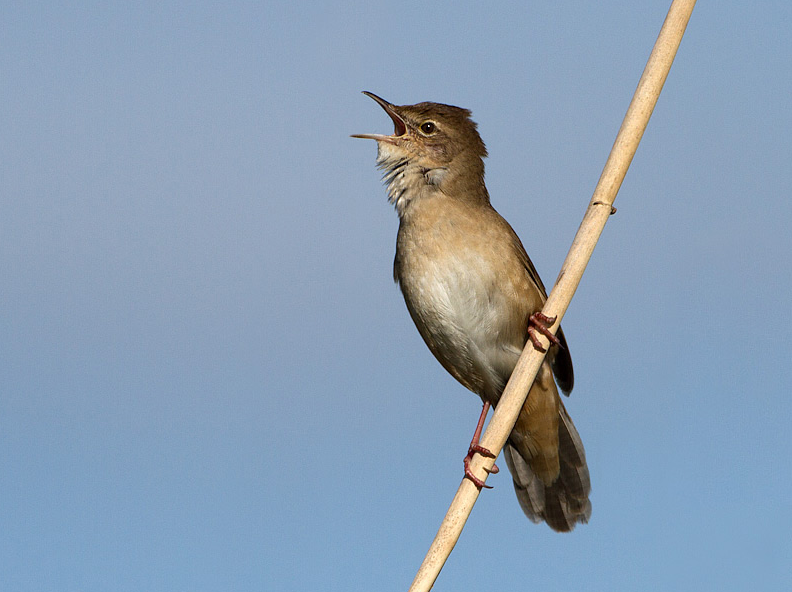
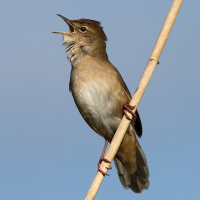
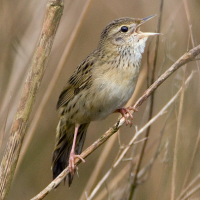
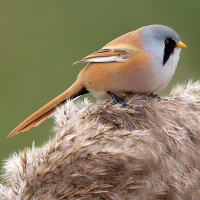
This reserve is a paradise for marsh land birds and birds of prey including Ógea and Tartaranhão-ruivo-dos-pauis. The reserve is one of the best sites in East Anglia to see Felosa-malhada. The reed and sedge beds along the river wall make ideal nesting cover for rouxinol-dos-caniços and Felosa-dos-juncos, Felosa-unicolor, Chapim-de-bigode and Rouxinol-bravo. The grazing marshes are also ideal for wintering wildfowl and breeding waders with Abibe-comum and Perna-vermelha-comum displaying through the spring and large numbers of Piadeira, Marrequinha-comum and Narceja-comum in winter.
Detalhes
Acesso
The reserve is located west of Lowestoft. Entrance is free. How to get there: By bike, on the A146 (6 km from Lowestoft city centre). By train, stop at Oulton Broad South Station and walk 1,5km to the Visitor Centre. By Bus: buses stopping near the end of Burnt Hill Lane on the A146 and Oulton Broad South and North stations being a 20 or 30 minute walk respectively. By car, follow Visitor Centre and park there. Click on the P in the map for directions. How to visit: by foot only.
Terreno e Habitat
Terras húmidas , Rio , Camas de juncoCondições
Plano , Paisagem aberta , Pantanoso , Possível na maré cheiaCaminho circular
Simé útil um telescópio?
Pode ser útilBoa temporada de observação de aves
Durante todo o anoMelhor hora para visitar
Inverno , Primavera , OutonoRota
Caminho largoCaminho dificil
FácilAcessível por
Pé , Cadeira de rodasAbrigo/plataforma deobservação de aves
SimInformação extra
Carlton Marshes bought a new piece of land (Peto's marsh) in 2018 and is has created a vast wetland on it. Observatories and new trails have been created. This is a huge improvement on the already massive potential of the reserve, very exciting for all wetland species!
 ) para inserir nomes de aves no seu idioma. Os nomes das aves serão traduzidos automaticamente para outros utilizadores!