Descrição
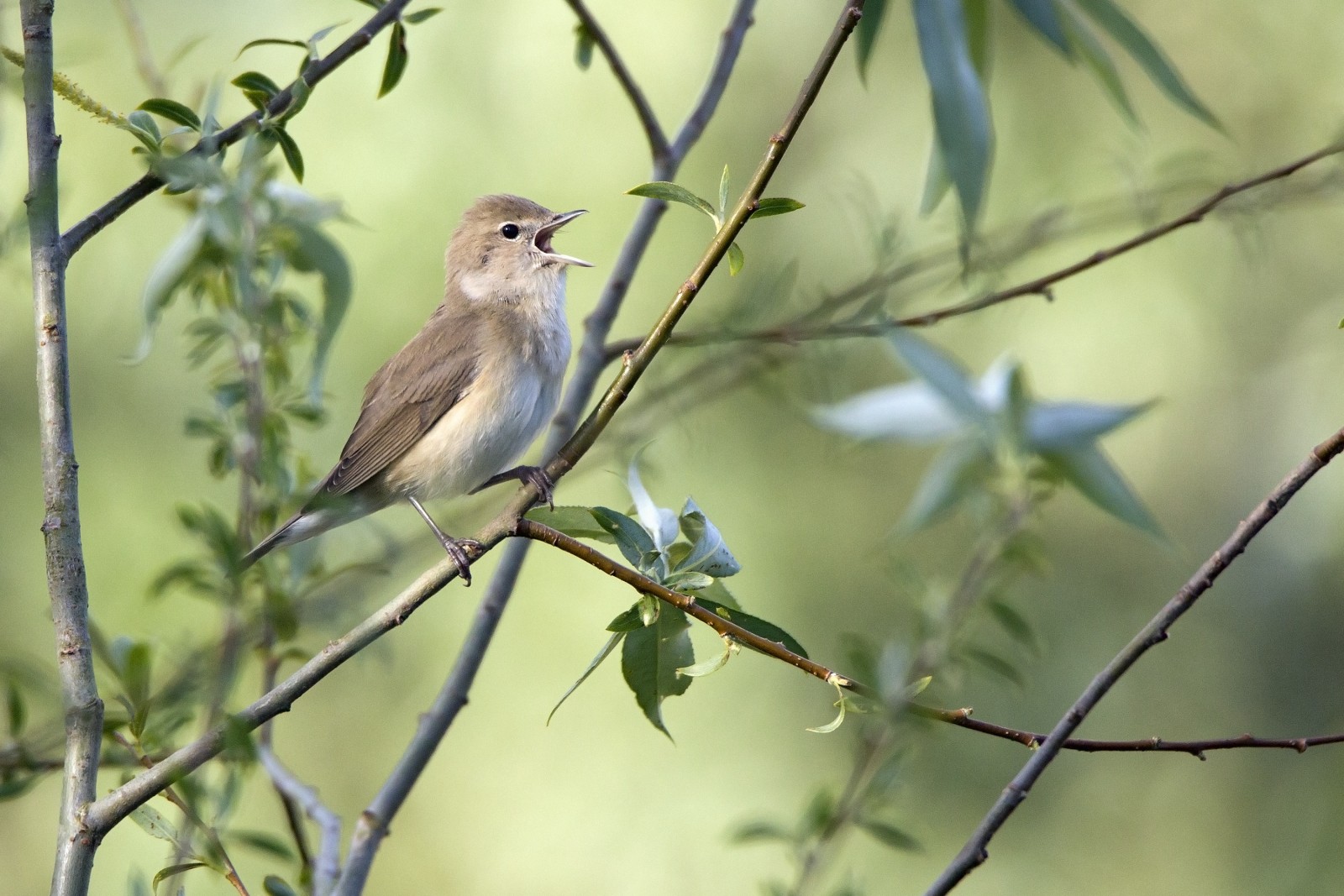
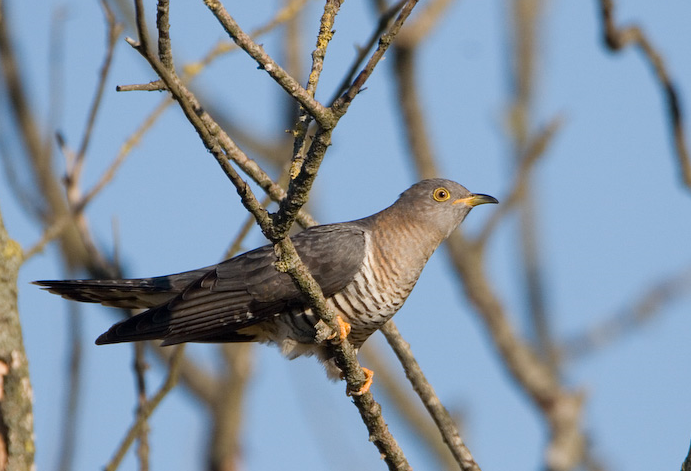
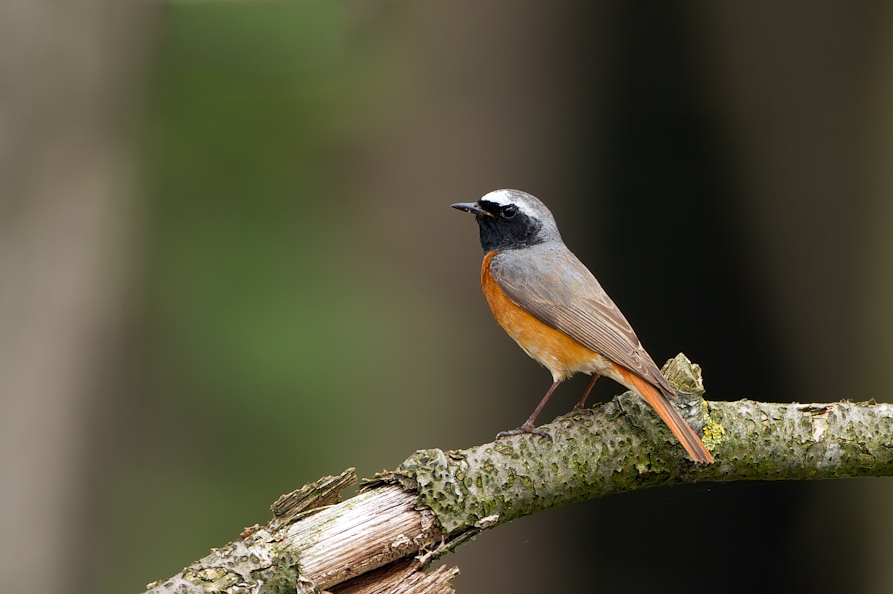
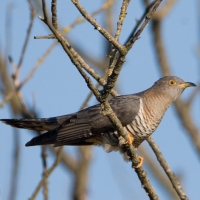
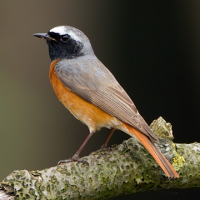
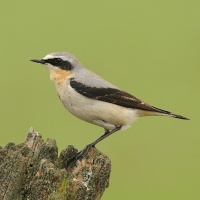
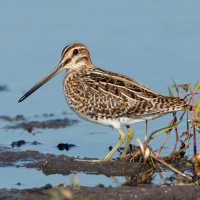
Emsworthy Mire is a Devon Wildlife Trust reserve (since 2012), situated in a sloping valley that consists of an abandoned (1870) moorland farm (the area is believed to have been inhabited since the bronze age) and an extensive area of 'boggy' marsh (see WARNING below). Most non birdwatchers visit the reserve in early summer to see the flowering 'English' Bluebells (Hyacinthoides non-scripta) that flower over a wide area, NOTE the flowering here is approximately a month later due to the high elevation of the site compared to lower level Bluebells. For birdwatchers it has an excellent bird list that includes Cuco-canoro, Lugre, Felosa-das-figueiras, papa-amoras-cinzento, Papa-amoras-comum, Rabirruivo-de-testa-branca, Petinha-dos-prados, Cartaxo-nortenho, Chasco-cinzento, Melro-de-peito-branco, Petinha-das-árvores and Narceja-comum amongst many others. The reserve is only like it is today due to the hard work of a 'band' of volunteers, who have opened up areas and built signage and boardwalks to enable access to more areas.
Detalhes
Acesso
The A38 (Devon Expressway) runs between Exeter (to the East) and Plymouth (to the West), runs close to the town of Bovey Tracy. Turn off A38 (near Heathfield) onto A382 to Bovey Tracy, on reaching Bovey Tracy turn Left at roundabout onto B3387 signed Haytor/Widdicome-in-the-Moor. After approximately 1 mile fork Left and continue on B3387. The road gradually rises to open moorland. On passing The National Park Visitor Centre (on Left), you soon pass Haytor Rocks (see separate entry) on the Right, continue on this road and the next high point is Saddle Tor (on the Right). The car park (approx 12 spaces - called Saddle Tor South) for Emsworthy Mire is further along this road on the Right.
Terreno e Habitat
Árvores e arbustos dispersos , Campina , Vale , Zonas húmidas , Rio , Terras húmidasCondições
Plano , Pantanoso , Escorregadio , Rochoso , Paisagem abertaCaminho circular
Simé útil um telescópio?
Pode ser útilBoa temporada de observação de aves
Primavera , Outono , VerãoMelhor hora para visitar
Primavera , Outono , Migração de outono , Migração da primavera , VerãoRota
Caminho estreito , Estrada não pavimentada , Caminho largoCaminho dificil
Caminhada médiaAcessível por
PéAbrigo/plataforma deobservação de aves
NãoInformação extra
WARNING: YOU ARE STRONGLY ADVISED to follow recommended waymarked routes DUE TO EXTENSIVE EXTREME 'BOGGY' AREAS. These areas are very sensitive due to rare plants and nesting birds. NOTE in periods of extreme Winter weather many birds relocate to lower valleys.
 ) para inserir nomes de aves no seu idioma. Os nomes das aves serão traduzidos automaticamente para outros utilizadores!