Descrição
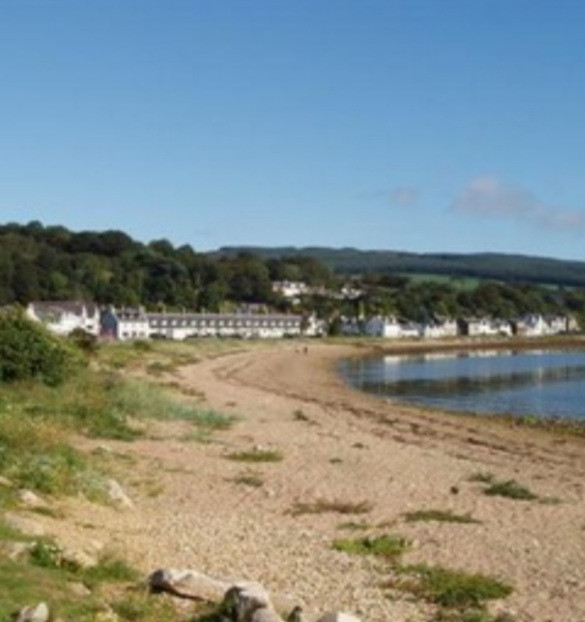
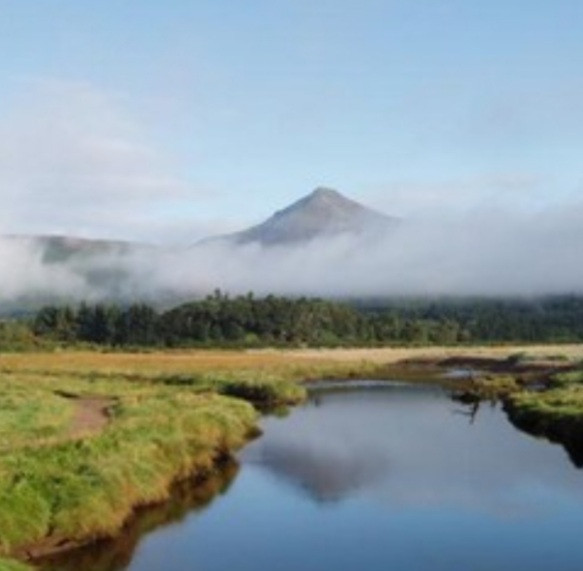
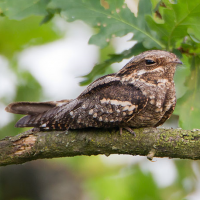
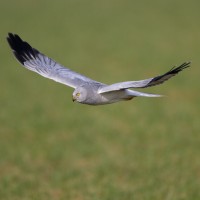
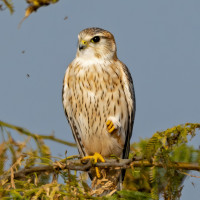
The northern half of the Isle of Arran is rugged, mountainous, remote country and is the most southerly site in the UK for breeding Lagópode-branco. The south has gentler moorland, extensive conifer plantations and much of the island’s farmland. Much of the coast is raised beach with a shoreline of rock or shingle, and steep escarpments. On the Isle of Arran 250 bird species have been seen. Best coastal birding spots for autumn migrants and winter wildfowl are Lochranza, Lamlash and Sliddery. Many raptors in the upland areas eg Tartaranhão-azulado, falcão-peregrino, Águia-real, Águia-d'asa-redonda, Esmerilhão, Corvo, Coruja-do-nabal as well as Melro-d'água, Cartaxo-comum, Lagópode-cinzento, Chasco-cinzento and Rabirruivo-de-testa-branca. Noitibó da Europa and Galinhola in the forest clearings. Mammals include red squirrel, red and roe deer, seals, otters and dolphins.
Detalhes
Acesso
Ferry from Ardrossan to Brodick which takes 55 minutes. Several departures every day. See the link below for info on timetable and tickets. Ardrossan is 30 miles SW of Glasgow and accessible by rail. By bus: Stagecoach operates services throughout the week from Glasgow to Ardrossan and also operates across the Isle of Arran, connecting Lochranza in the north and Brodick in the south of the island. Passengers can find bus services and islands tours adjacent to terminal buildings.
 ) para inserir nomes de aves no seu idioma. Os nomes das aves serão traduzidos automaticamente para outros utilizadores!