Descrição
St Agnes Head is a National Trust (NT) site near the large village of St Agnes (not to be confused with the island of St Agnes on The Isles of Scilly), there are a number of archaeological sites in the area, some dating back 10,000 years BC, large ruins of tin mine 'engine houses' dot the coastline making it a World Heritage Site. Much of the area is still heathland and is a Site of Special Scientific Interest (SSSI). There are numerous paths crossing the site making it good for many circular routes. A mile offshore are two islands called the Cow and Calf (sometimes called Man and His Man or Bawden Rocks), where birds both rest and breed (see STAR on map).
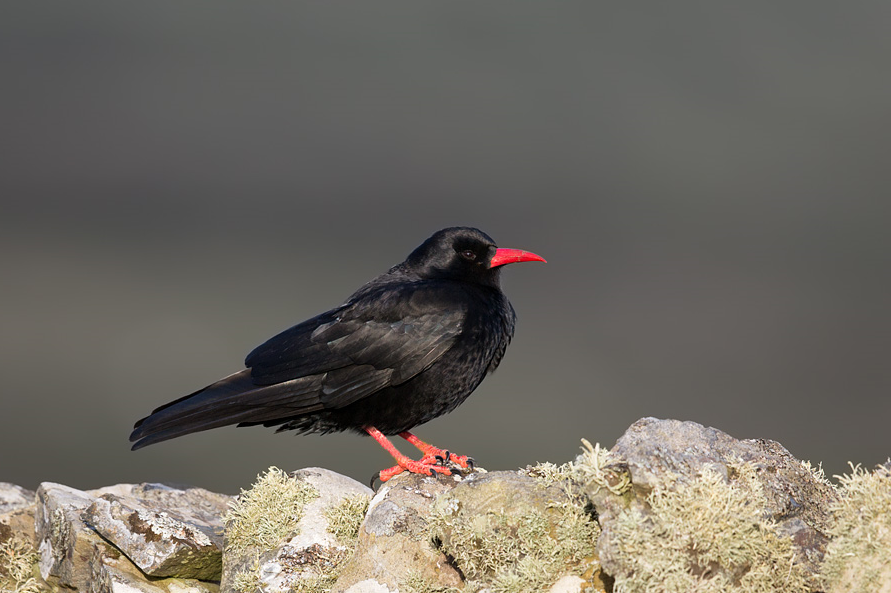
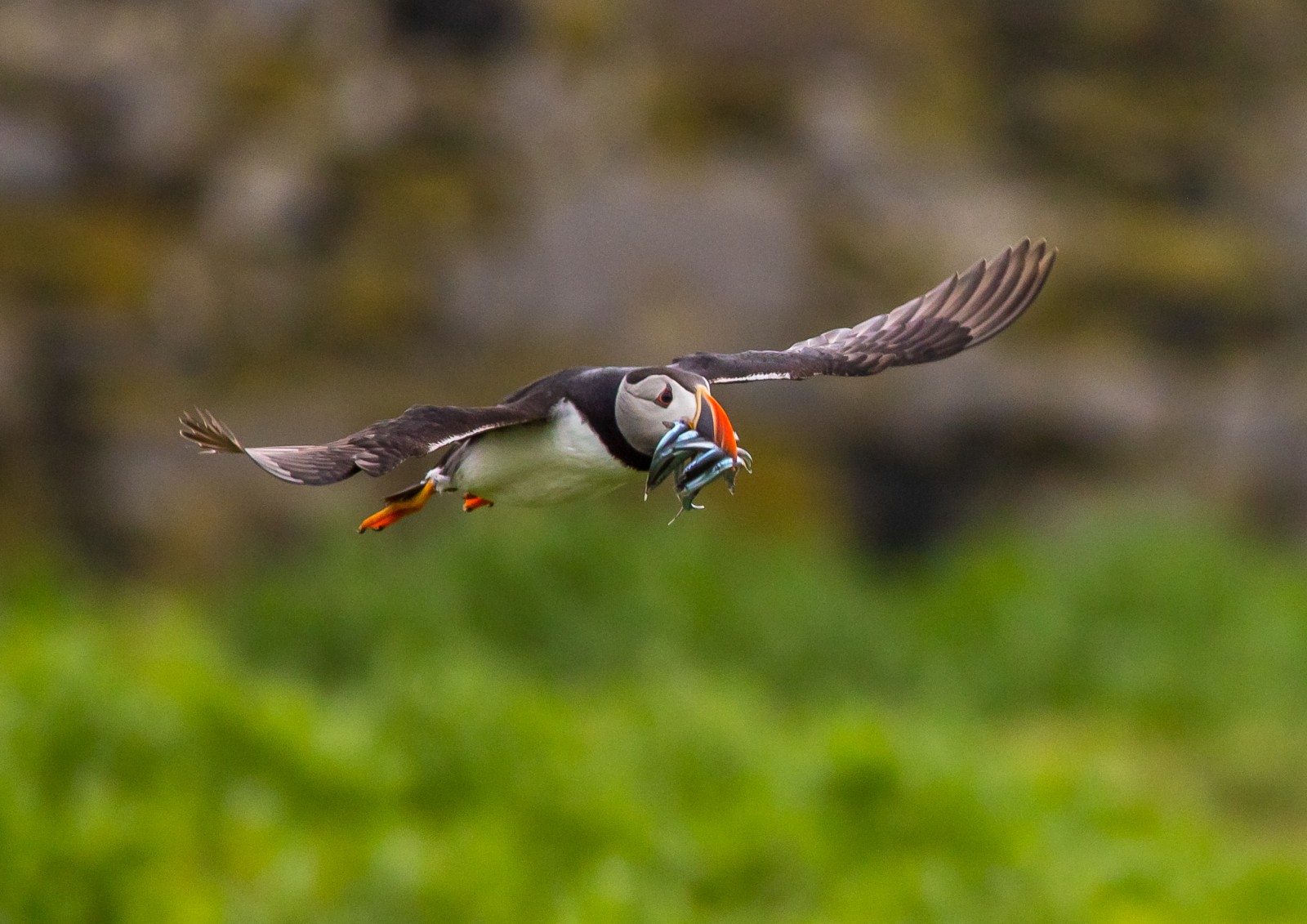
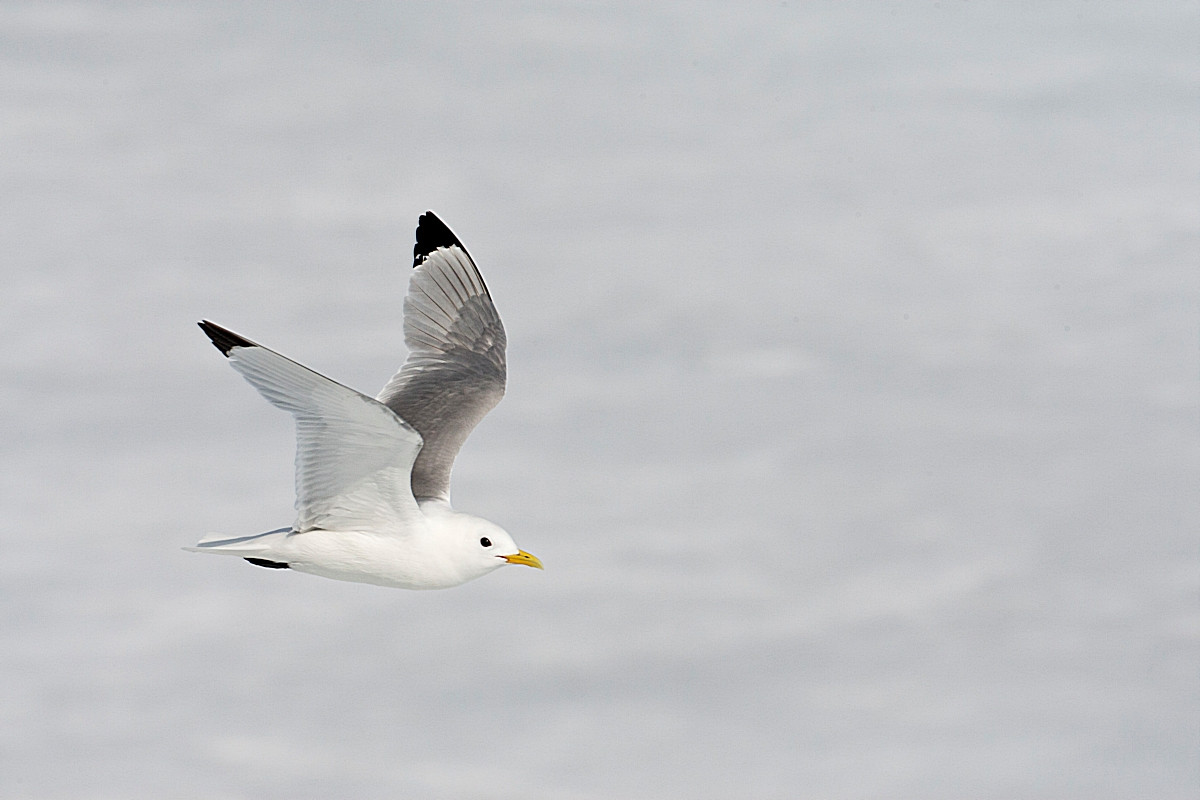
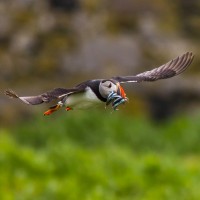
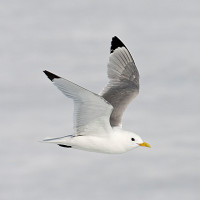
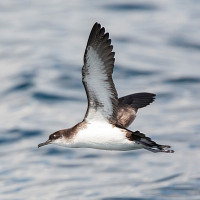
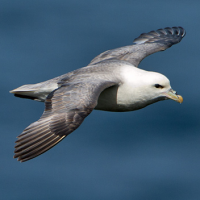
Whilst the area is known for a good selection of common species, during October 2016 acalhandrinha was found here, recently Gralha-de-bico-vermelho have been regularly seen. BE AWARE this species is protected under Schedule 1 of the Wildlife and Countryside Act 1981, if you see serious Gralha-de-bico-vermelho disturbance call the POLICE on Telephone 101 to report. Also the site is good for sightings of Ganso-patola, Pardela-sombria (especially during onshore winds), Fulmar-glacial, Arau-comum, Torda-mergulheira, Papagaio-do-mar, Corvo-marinho-de-faces-brancas, Corvo-marinho-de-crista are regularly seen on cliffs and islands. Once more common in the area but now sadly declining Trigueirão were frequently seen, as was Cornwall's largest Gaivota-tridáctila colony, now moved further along the coast.
For those who make it to the point of the headland the volunteers in the Coastwatch building are very friendly and are happy to talk about their job and any unusual sightings they've had.
Detalhes
Acesso
The main roads A30/A390 and A3075 to the South East, all meet up at the large Three Burrows roundabout, leave this roundabout onto B3277 (signed Services/St Agnes), almost immediately. At next smaller roundabout exit and continue on B3277 (signed St Agnes), at next 'mini' roundabout in the village of St Agnes take first exit (Left) into Goonvrea Road. This road eventually goes steeply down hill (NOTE NO PARKING ON ROAD SIGNS), that leads to Chapel Porth beach National Trust car park (50 spaces - Fee Payable).
Terreno e Habitat
Árvores e arbustos dispersos , Campina , Zonas húmidas , Mar , Cidade/Vila , Agricultura , Praia , Desfiladeiro/precipícioCondições
Montanhoso , Rochoso , Paisagem aberta , Possível na maré cheiaCaminho circular
Simé útil um telescópio?
SimBoa temporada de observação de aves
Durante todo o anoMelhor hora para visitar
Inverno , Primavera , Outono , Migração de outono , Migração da primaveraRota
Estrada pavimentada , Caminho largo , Estrada não pavimentada , Caminho estreitoCaminho dificil
ExtenuanteAcessível por
Pé , Bicicleta , CarroAbrigo/plataforma deobservação de aves
NãoInformação extra
As usual beaches in Cornwall can get extremely busy during Summer especially on sunny days, a visit early in the day or outside of the holiday season is best.
 ) para inserir nomes de aves no seu idioma. Os nomes das aves serão traduzidos automaticamente para outros utilizadores!