Descrição
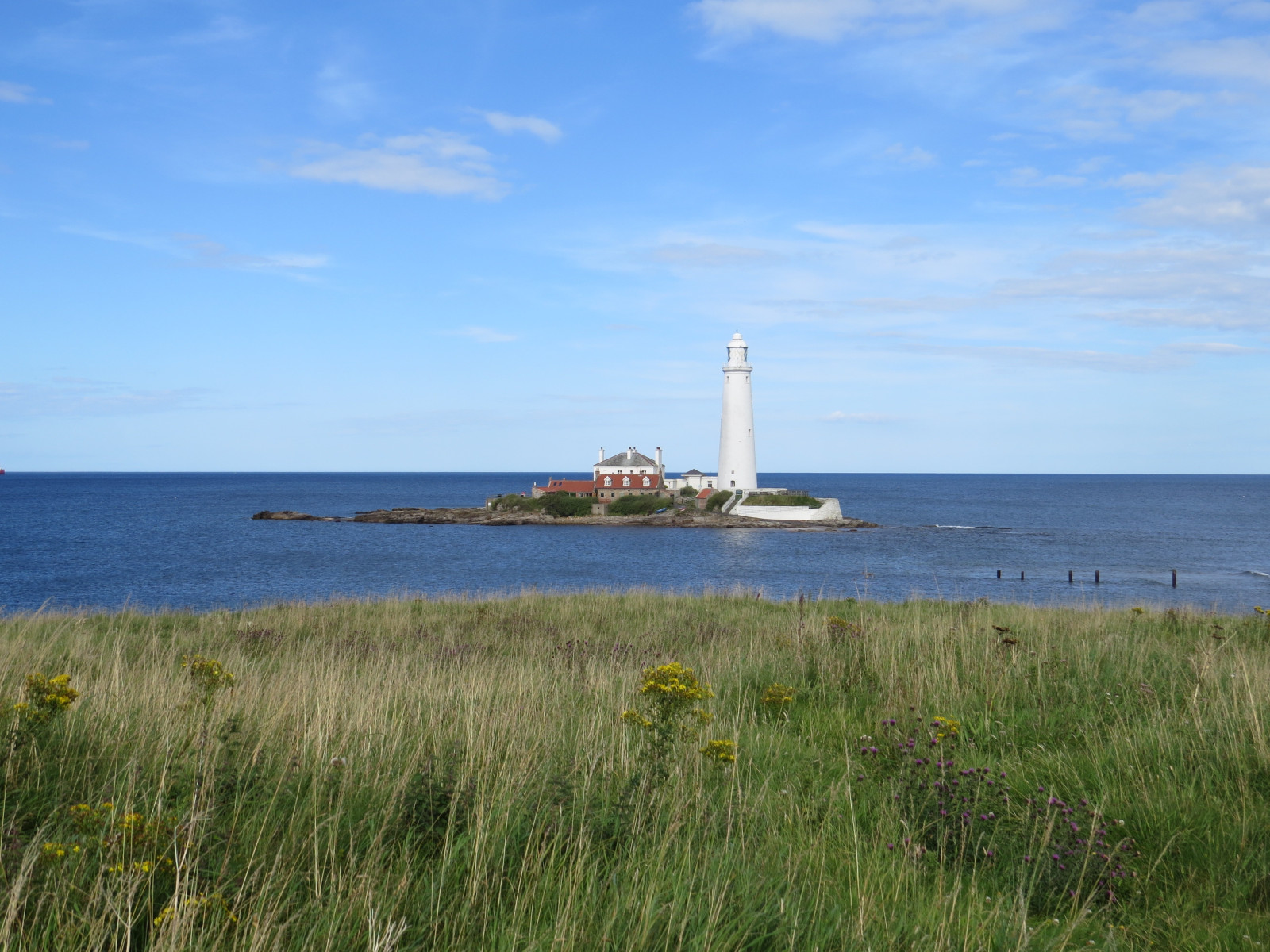
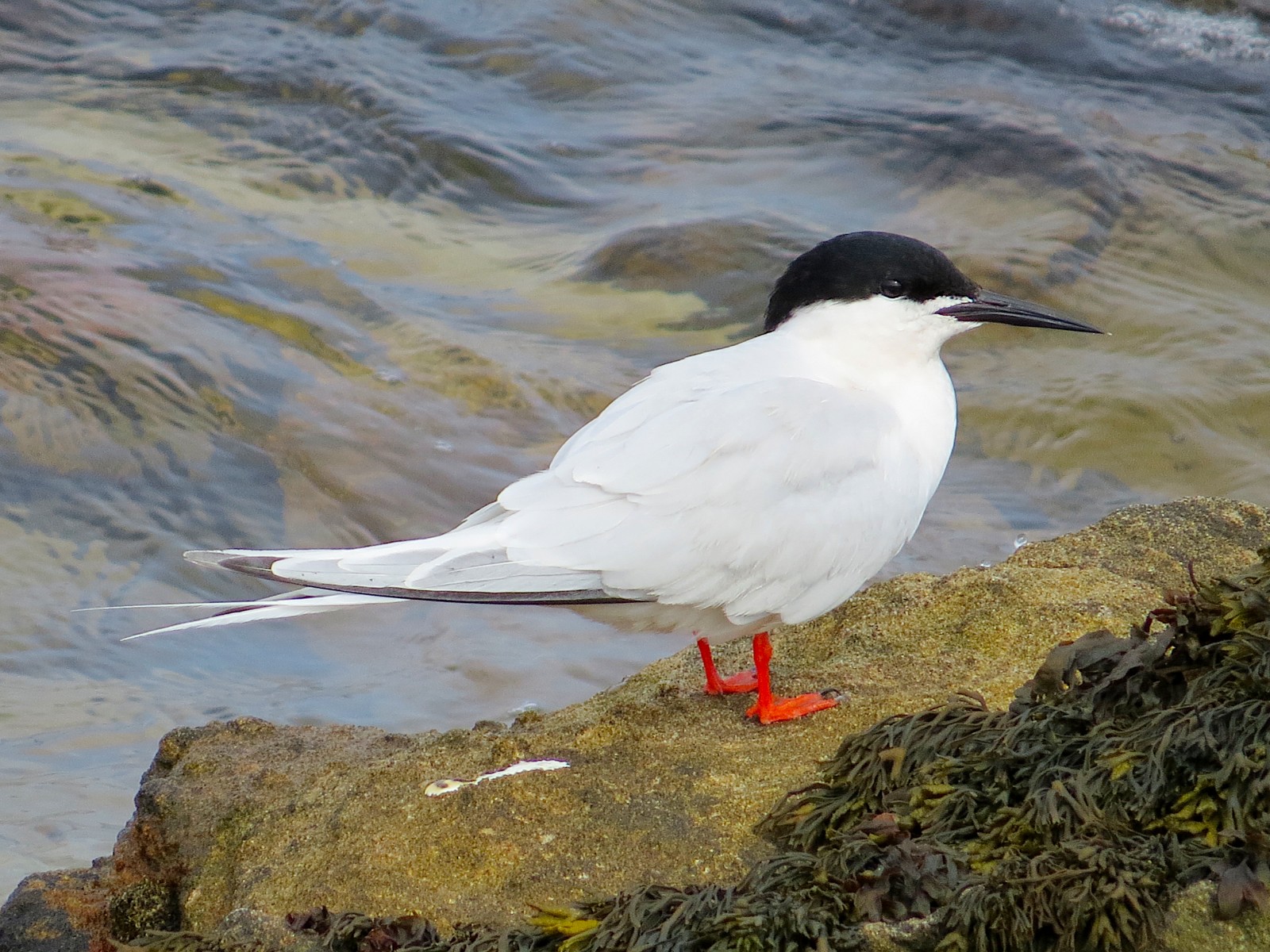
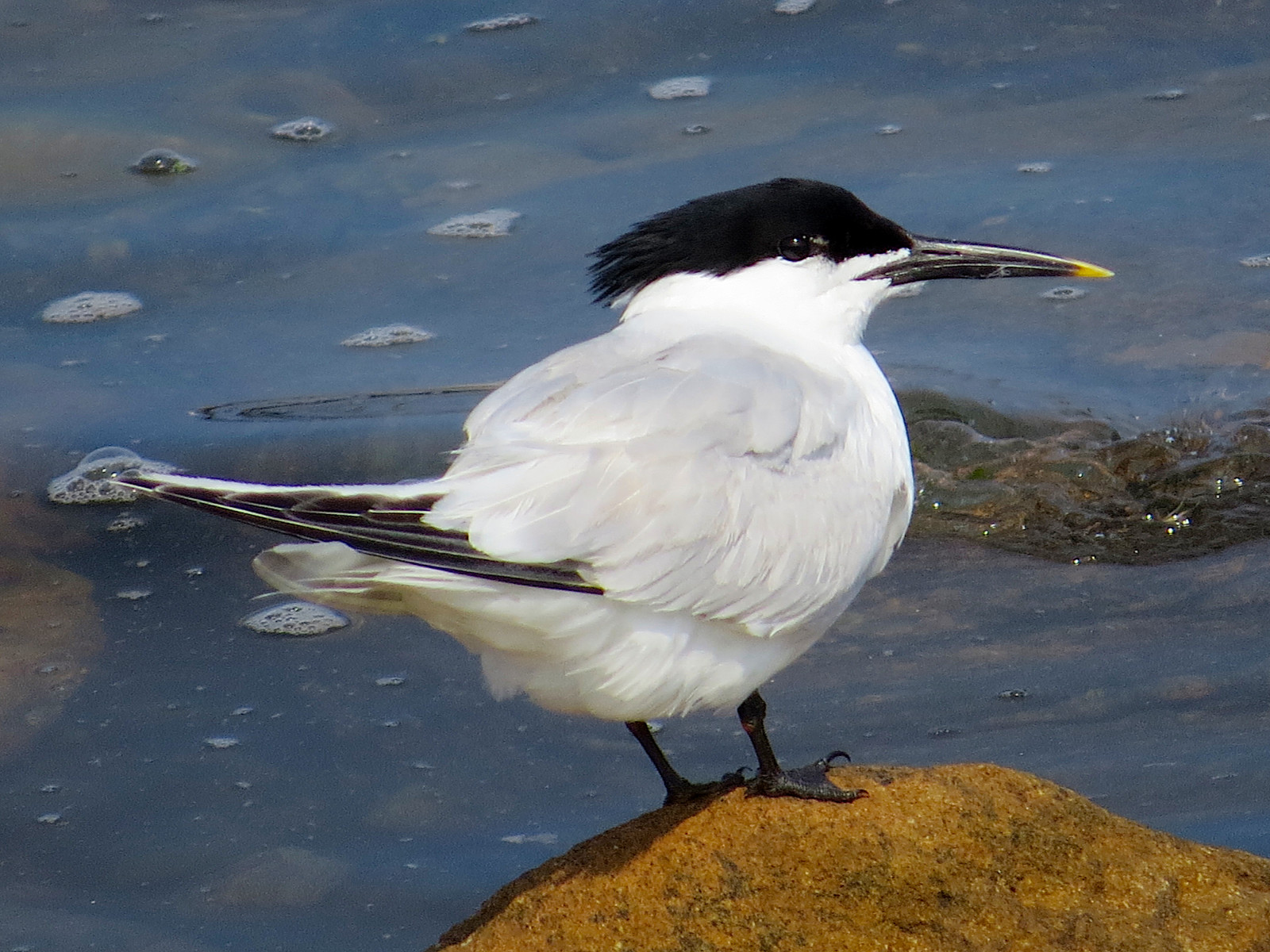
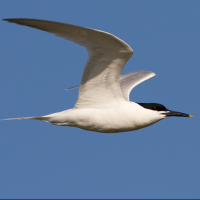
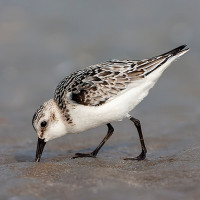
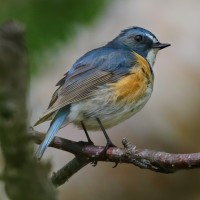
This site is excellent for seabirds, waders and passage migrants, and also a good lookout point for sea mammals. One of the most accessible places in Europe to see Andorinha-do-mar-rósea close up as they gather here with other terns in July to September after breeding on nearby Coquet Island. A sea-watching hide on the island gives the chance to see a range of seabirds including regular Pardela-preta, Pardela-sombria, Moleiro-grande, Papagaio-do-mar, and many others including more rarely, Freira do Bugio superspecies, Bobo-grande, Pardela-de-bico-preto, Painho-de-cauda-forcada, and Moleiro-pomarino and Moleiro-de-cauda-comprida. The tidal areas attract good numbers of waders, with Tarambola-dourada the most numerous. In autumn, the coastal shrubs are as reliable as anywhere for Felosa-bilistada, Estrelinha de Pallas, Toutinegra-gavião, and other Siberian vagrants; rarer species have included Felosa-das-moitas and Pisco-de-flanco-ruivo. The nearby cemetery is also good for autumn passerines, including one of Britain's very few Felosa do Levantes.
Look out for colour-ringed birds! One Garajau-comum had been over 10,000 km to Gansbaai in South Africa!
The tidal island is a regular haul-out for Grey Seals, and offshore, Common Porpoises, White-beaked and Bottlenose Dolphins are regular, while Minke and Humpback Whales have been recorded.
Detalhes
Acesso
Busses 308 and 310 from Newcastle to Blyth both pass within a few minutes walk of the site; also good cycle access. The main access to the island is suitable for all weathers, but some of the paths to other parts of the site can get muddy after heavy rain.
The island, closed for much of summer 2024, has recently reopened after the completion of essential maintenance work.
Terreno e Habitat
Terras húmidas , Praia , Lamaçais , Agricultura , Árvores e arbustos dispersos , Campina , MarCondições
Plano , Sem sombra , Paisagem abertaCaminho circular
Simé útil um telescópio?
Pode ser útilBoa temporada de observação de aves
Durante todo o anoMelhor hora para visitar
Inverno , Verão , Outono , Migração de outono , Primavera , Migração da primaveraRota
Estrada pavimentada , Caminho largo , Estrada não pavimentada , Caminho estreitoCaminho dificil
FácilAcessível por
Pé , BicicletaAbrigo/plataforma deobservação de aves
SimInformação extra
The island is accessible from about 2 hours to 2 hours 30 minutes after high tide, until 2 hours before the next high tide. Take care not to get stuck over the tide, unless you intend to spend 4-5 hours seawatching! The visitor centre on the island has restricted opening hours, and is closed over the high tide; there are no facilities over high tide. See the link below for the actual tides table.
For terns and waders, a rising tide is best; watch from the promenade between 3 and 2 hours before high tide.
 ) para inserir nomes de aves no seu idioma. Os nomes das aves serão traduzidos automaticamente para outros utilizadores!