Descrição
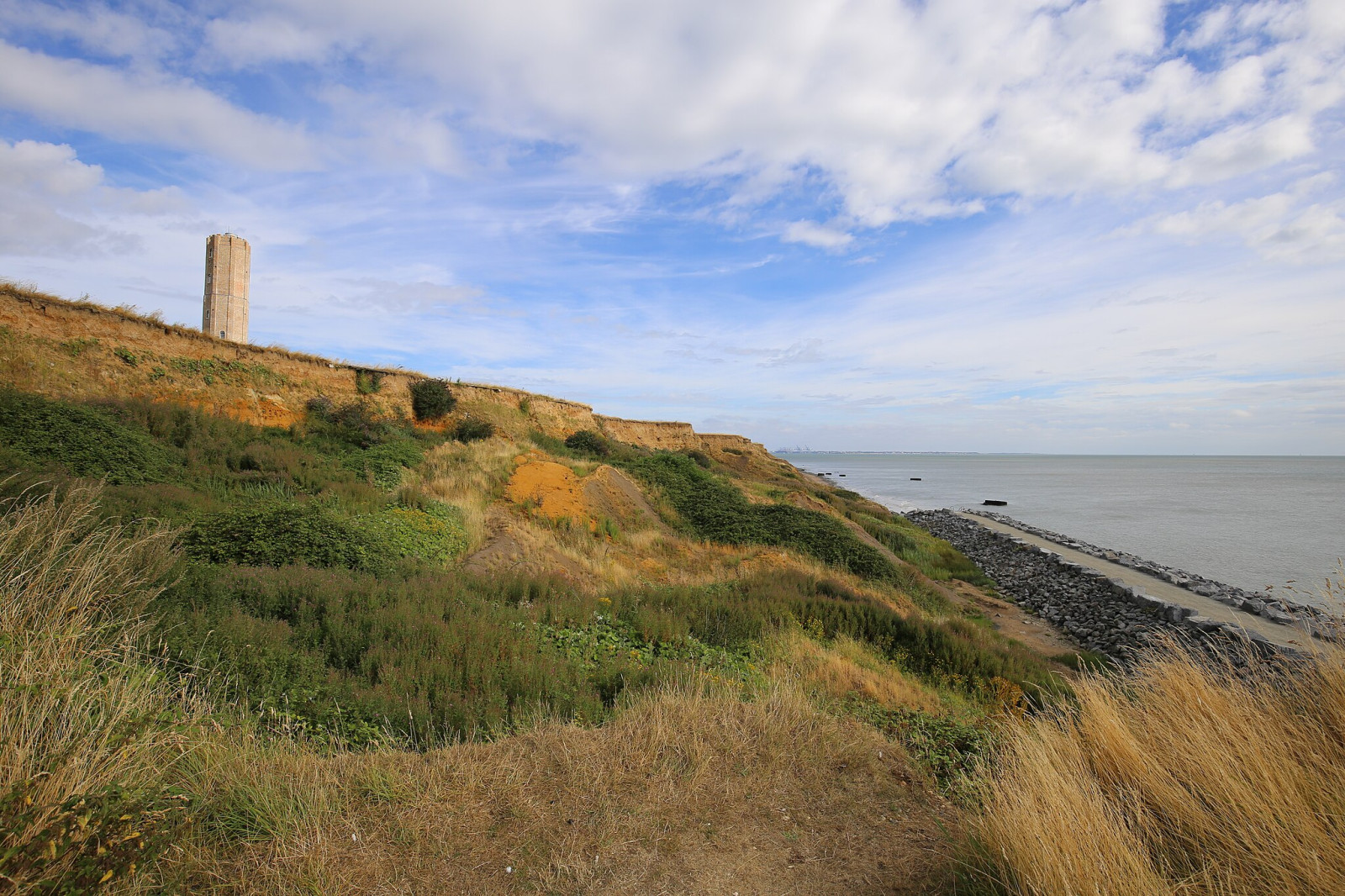
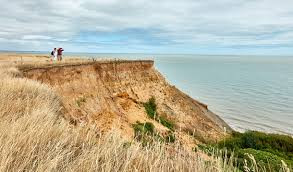
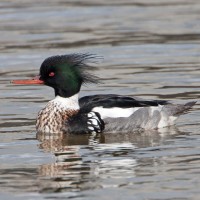
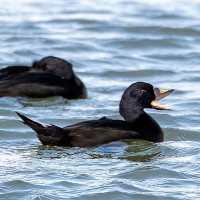
Once you arrive in the car park, head North along the edge of the cliff. This gives a good elevated view of the sea and mud shoreline. Where you can see Maçarico-real, Pilrito-sanderlingo, Rola-do-mar, Perna-vermelha-comum, Tarambola-cinzenta, Pilrito-comum and Ganso-de-faces-negras. Depending on tide line and time of year. Winter to early Spring is best for Ganso-de-faces-negras. Looking out to sea early morning is always good for passing sea ducks and ocean species such as Ganso-patola, Pato-preto, Corvo-marinho-de-faces-brancas, Mobêlha-pequena, Merganso-de-poupa even the odd Pato-fusco. If really lucky Eider-edredão have been recorded from the Naze.
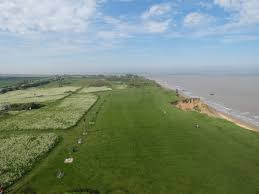
Now while sea watching from the cliff you are surrounded by a large grassland field of mixed heights of cut. This area can be good for seeing Laverca, Petinha-dos-prados, Alvéola-branca ssp yarrellii and Pintarroxo-comum. Still walking North you now enter the scrubby area. Here in the Spring and Autumn is always worth a second look and a sharp ear open for something special. Estrelinha-de-cabeça-listada, Felosa-bilistada and even Estrelinha de Pallas. Keep searching because Rabirruivo-de-testa-branca, Papa-moscas-pequeno and Papa-moscas-preto are all on the cards here at The Naze. The Naze can boast of some really rare passage migrants and this hand full of scrubland acers can be a real hot spot.
Once you have done the scrub area now carry on up on to the sea wall foot path where looking towards the sea there is sandy beach and a mud flat mix at low tide. Here lots of diffrent feeding waders can be seen. Borrelho-grande-de-coleira and both Fuselo and Maçarico-de-bico-direito. Possible Escrevedeira-das-neves and Petinha-marítima are often seen along the sand and shingle beach. Walking futher alone the sea wall. Now facing inland, is the small 'John Weston' nature reserve. Take the track South off the sea wall through the gate into the Reserve. Most of the reserve can be viewed from the sea wall, but the bushes around the green storage container worrent closer inspection.
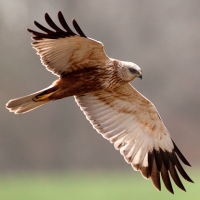
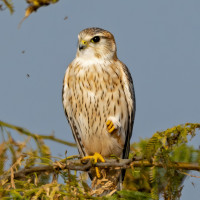
Once back on the Sea wall about 100m North West so you have salt marsh to the North East and grazing meadows and reedbeds to the south West. This is a great spot for seeing Esmerilhão and Coruja-do-nabal, in fact many raptors species such as Tartaranhão-ruivo-dos-pauis and wintering Tartaranhão-azulado, plus hunting falcão-peregrino are all regularly seen here in this open ground. Chapim-de-bigode, Rouxinol-bravo and Escrevedeira-dos-caniços in the reed beds and pools, plus Piadeira, Frisada, Zarro-negrinha and Marrequinha-comum. On the meadows Abibe-comum, Tarambola-dourada, Pato-branco, Garça-branca-pequena, Garça-branca-grande. This site has great potential for migrating species and a highly prized are for rarities turning up here.
Detalhes
Acesso
The Naze is located north of the towns of Frinton and Walton-on-the-Naze. By Train to Frinton Station then on the bus to the Naze. By Car, Starting from Walton-on-the Naze town High Street take the B1039 follow this with the Beach on your Right. Now take the left fork Hall Lane, follow this around to the right on toNaze Park road, then on to Old Hall Lane for a short few 100 meters. The entrance to the Car Park is now on your Right. You can pay for parking via the App. Press P on the map for directions.
Terreno e Habitat
Terras húmidas , Árvores e arbustos dispersos , Campina , Pequeno lago , Praia , Lamaçais , Camas de junco , Mar , Desfiladeiro/precipícioCondições
Montanhoso , Escorregadio , Paisagem abertaCaminho circular
Simé útil um telescópio?
SimBoa temporada de observação de aves
Outono , Inverno , PrimaveraMelhor hora para visitar
Migração da primavera , Migração de outonoRota
Estrada não pavimentadaCaminho dificil
Caminhada médiaAcessível por
PéAbrigo/plataforma deobservação de aves
NãoInformação extra
You can get food and drink from the Discovery Centre and the toilets are also here.
 ) para inserir nomes de aves no seu idioma. Os nomes das aves serão traduzidos automaticamente para outros utilizadores!