Descrição
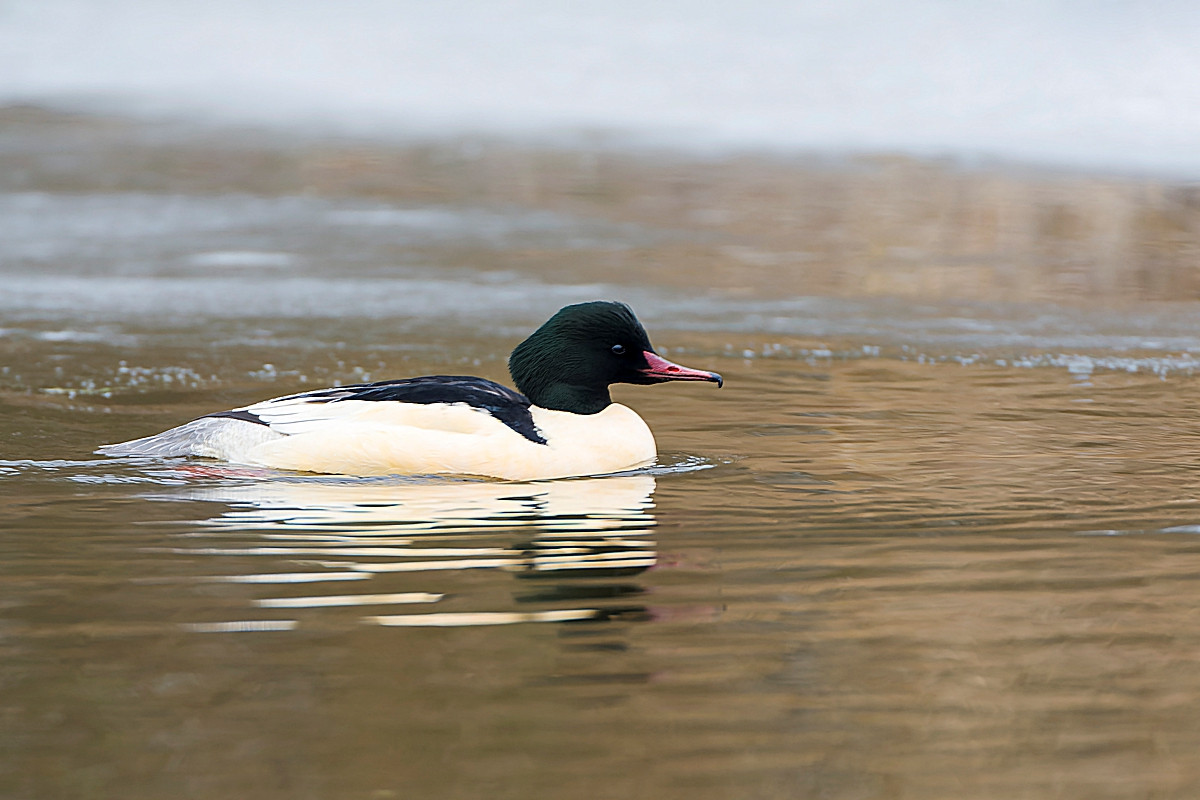
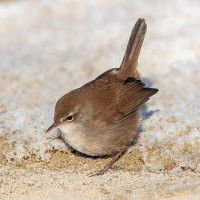
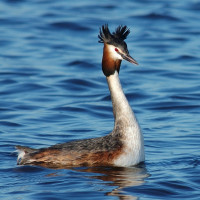
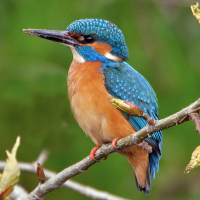
The University of East Anglia (UEA) has some fantastic grounds for birding, and whatever the time of year, there is always something to see. With a wide selection of trails to choose from, it is always worth exploring if you are in the area or indeed visiting the univeristy for any reason. The standout feature of the campus is UEA Broad (the universities lake). This will hold Mergulhão-de-crista throughout the year, and you may also catch a glipse of a passing Guarda-rios-comum or hear the erruptive calls of Rouxinol-bravo. The lawns around campus may have Pica-pau-verde feeding on them. You can see Alvéola-cinzenta and Garça-branca-pequena along the river.
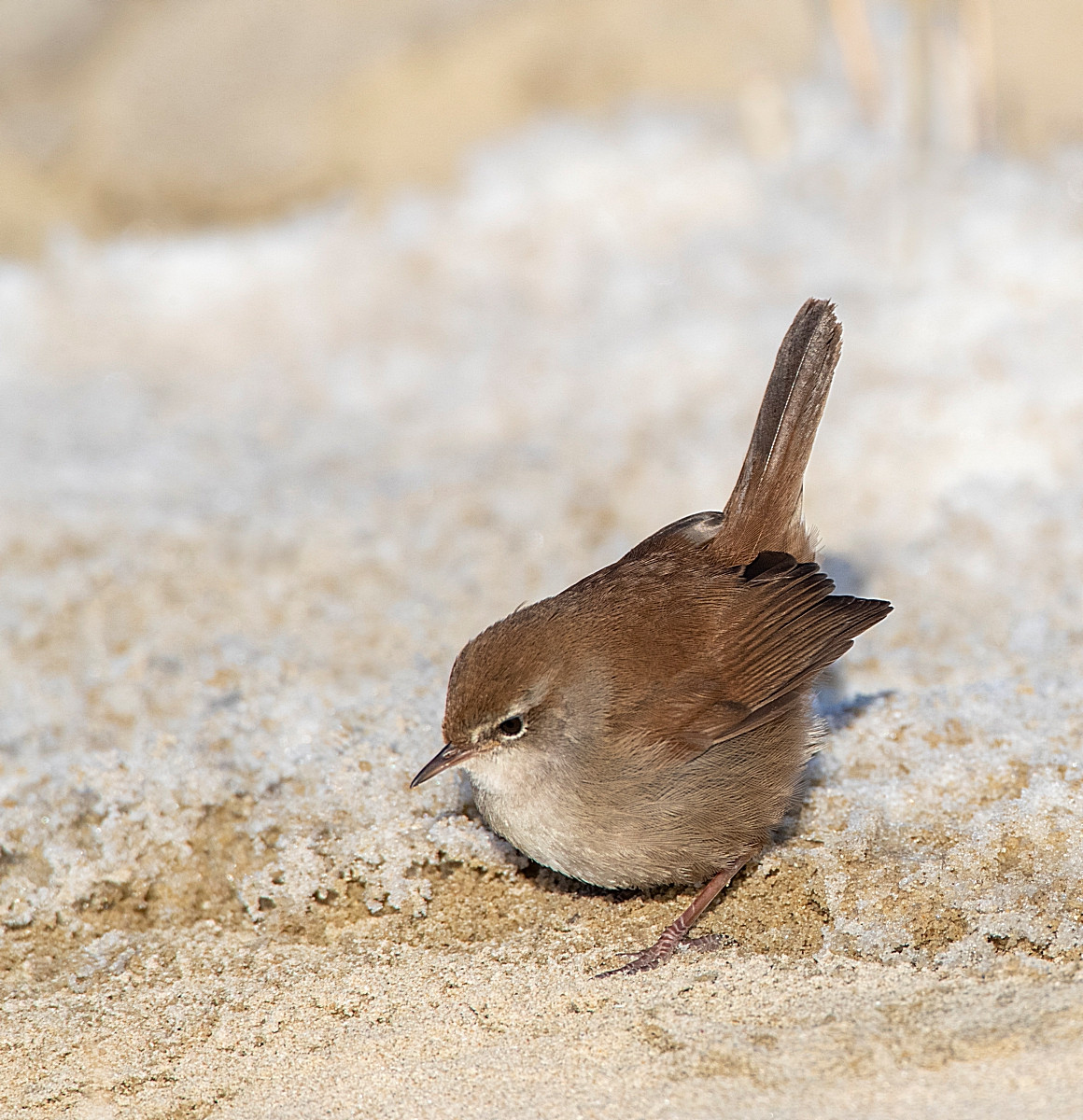
In the winter, look out for Merganso-grande as this is one of the more reliable locations to find them in the county. There may also be plenty of gulls including Gaivota-parda and Gaivota-argêntea using the lawn around the edge of the lake. At dusk, Galinhola and Narceja-comum can be found in any of the wetland areas around campus. In spring, a dawn walk around UEA Broad may reveal Maçarico-das-rochas along the waters edge. Worth getting there early, as the site does become busy with dog walkers and visitors during the day. The campus is alive with the sound of warblers including Toutinegra-de-barrette-preto, Felosa-das-figueiras, Papa-amoras-comum, Felosa-comum, Felosa-musical, rouxinol-dos-caniços, Felosa-dos-juncos and even a few Felosa-malhada! There may be Cuco-canoro joining the dawn chorus. During a spring fall, local scarcities such as Melro-de-peito-branco and Rabirruivo-de-testa-branca have been found here.
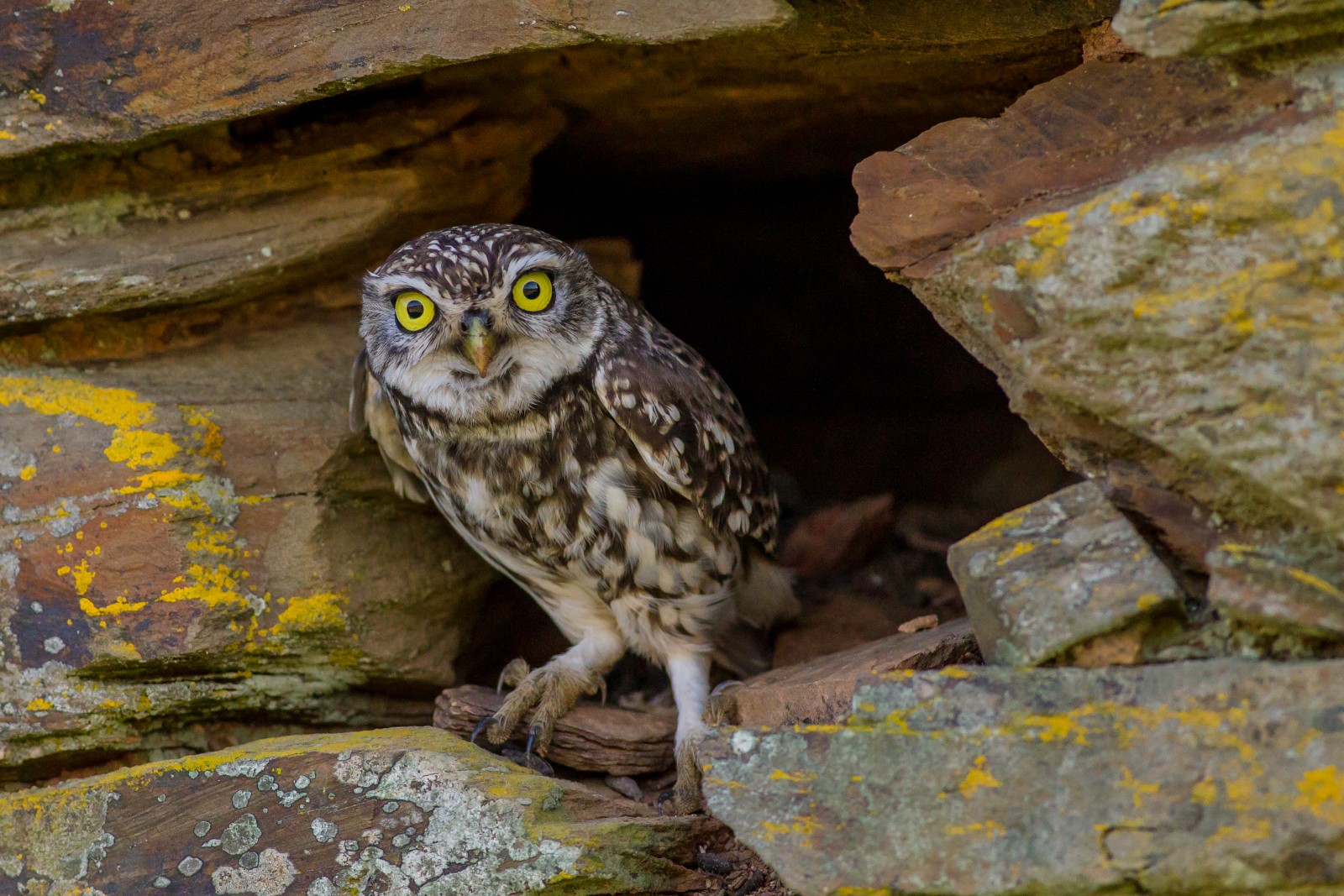
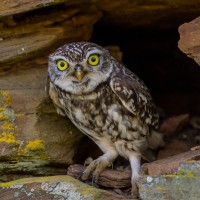
Summer is quiter, but a wide selection of garden birds may still be seen in the area including Dom-fafe and Trepadeira-do-bosque. On a dusk trip to the playingfields, you may hear Mocho-galego calling in the large oak trees. Raptors including Tartaranhão-ruivo-dos-pauis may be seen, as they range more widely away from the Norfolk Broads at this time of year. UEA Broad may be host to a couple of pairs of Andorinha-do-mar-comum. Autumn is a good time to keep eyes on the skies for flocks of Ganso-de-bico-curto, while the winter thrushes including Tordo-ruivo-comum and Tordo-zornal will be returing. It is always worth locating flocks of Chapim-rabilongo as there is a possiblity of something rarer being in them, such as a Felosa-bilistada (especially after periods of easterly winds). The greenhouse feeders may host Lugre, pintarroxo-pequeno and Tentilhão-montês.
Given the number of birders working or studying at UEA, there is always a chance of a top quality rarity being found. Previous records have included Felosa-ibérica, Gaivina-de-bico-vermelho, Gaivota de Delaware and Picanço-grande!
Detalhes
Acesso
You can use the pay and display car park on campus, or, access the site via Earlham park. Click on a P in the map to get directions to that point.
 ) para inserir nomes de aves no seu idioma. Os nomes das aves serão traduzidos automaticamente para outros utilizadores!