Descrição
Wetland habitat in a valley on the fringes of this historic town. This reserve is managed by the Wildfowl and Wetlands Trust founded by Sir Peter Scott. Upon entering there is a refreshment area that looks out on to water mainly frequented by geese.. Towards the right there is a notice board indicating birds that may be present.
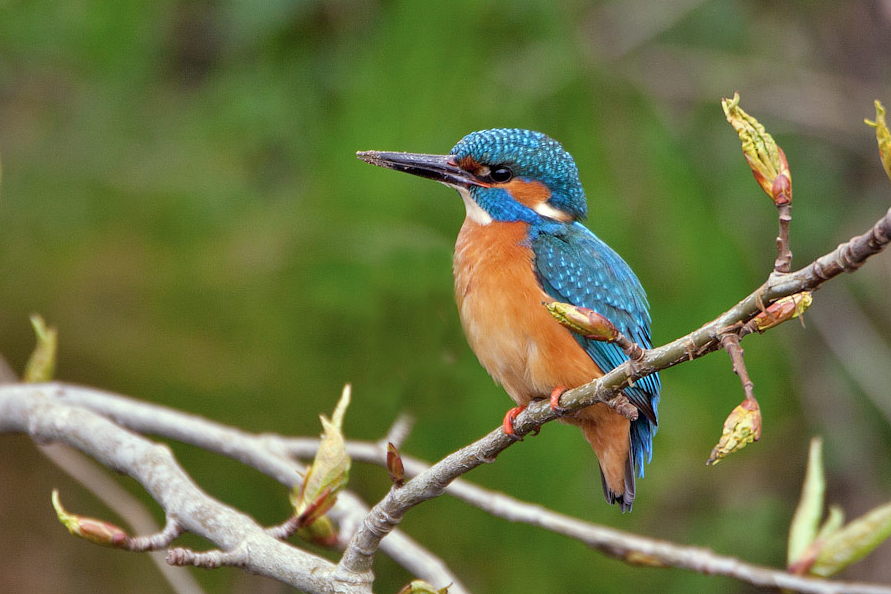
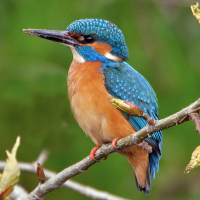
Let's take a circular tour by turning left from the visitor centre. After a few metres, by some distinctive buildings, it is possible to take an electric boat ride which bring you close to various ducks such as Pato-real, Frisada, Zarro-comum and Zarro-negrinha. I've also seen Guarda-rios-comum and rouxinol-dos-caniços from the boat here. I find this a very relaxing experience. The boat is extra and must be booked at the visitor centre.
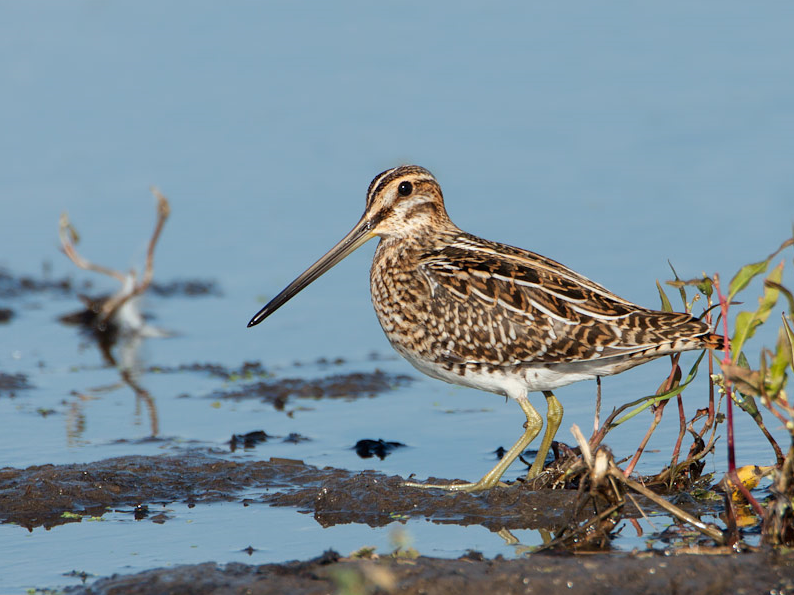
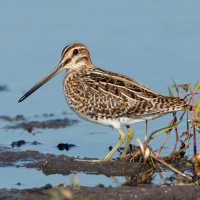
Leaving the boat turn left at the nearby footpath junction. Passing mainly captive birds and after a short while you will see the 'Ramsar' hide to the right. From here you will often see Ganso-comum, Marrequinha-comum, Abibe-comum and Pato-real but more importantly the sight of Guarda-rios-comum and Narceja-comum .
Contuning along the tarmac footpath and you will arrive at the 'Lapwing' hide. Yes, there are Abibe-comum here too as well as Ganso-comum and Pato-trombeteiro.
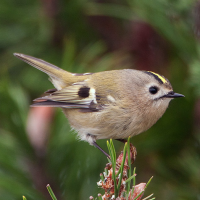
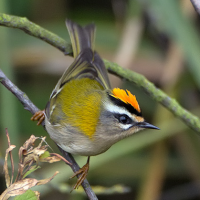
You now need to return to the junction near the boat rides, but this time turn left. Adjacent to here are areas with captive waterbirds which I won't cover here but may be of interest to some people. At this point you should keep your eye out for Estrelinha-de-poupa and Estrelinha-de-cabeça-listada which are often seen flitting amongst the trees. Often seen around the trees to the left here, or around the garden. In the garden area I have also seen Chapim-rabilongo, melro and Trepadeira-do-bosque and a Escrevedeira-dos-caniços nearby.
Turning left here you can visit the 'Sand Martin' hide where it is possible to see Alvéola-cinzenta at the water's edge and species such as Pato-branco, Ganso-comum, Ganso do Canadá, Pato-real and perhaps Garça-branca-pequena or Corvo-marinho-de-faces-brancas.
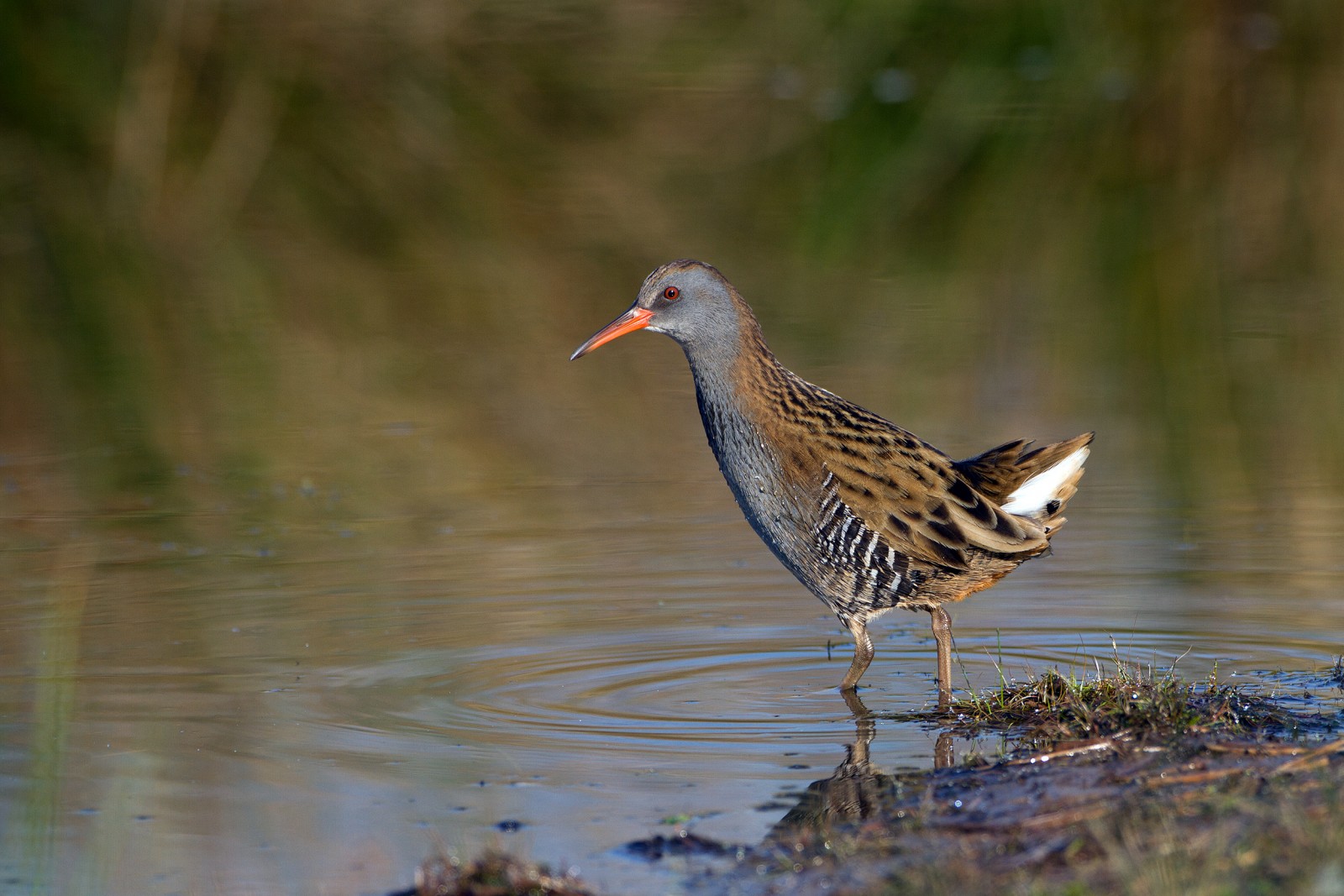
Turning back, you can then visit the Scrape Hide very nearby. But immediately before that there is a patch of grass and is a favoured spot for Frango-d'água. In the hide itself, it is usually a good idea to look right to see if there is warbler in the bushes.
Exiting the hide, turn left along the long straight path. I find the next hide , the 'Reedbed' hide a quiet one, but you never know! At the very end of the path turn left, but before doing so, check the small trees for Estrelinha-de-poupa and Estrelinha-de-cabeça-listada . Walk through the gates and you are in a zone mainly of captive birds but I have also seen the Frango-d'água and pintarroxo-pequeno here.
Beyond here you can access the Woodland Hide using two different routes. There are bird feeders here which attract the usual suspects such as Chapim-azul, Ferreirinha-comum and Pisco-de-peito-ruivo but you might even see the Frango-d'água or Gavião da Europa here if you are lucky.
From here, follow the signs for the Reedbed Walk. I have seen a Toutinegra-de-barrette-preto in this area. This will bring you back out on the long straight path. You can then make your way back to the visitor centre by turning left. As you approach the centre, there is another 'captive' area which in 2020 will have an aviary and some pelicans.
Detalhes
Acesso
By car, you need to aim for Arundel town centre where the reserve is signposted at the roundabout immediately north of the river. You need to go along Mill Lane which is a cul-de-sac and not a through road.
You need to pass the area on the left with a small lake as this is completely different from the reserve. A bit further on the right you will see the entrance and car park. Lat and long is 50.863710 -0.551904 and the post code BN18 9PB
All of the reserve is good for wheelchairs as paths are tarmac or boardwalk.
The nearest bus serves Arundel town centre a mile away. Route 9 to Littlehampton is every hour - check the Stagecoach website for times. The train station is further out - another half-mile.
Terreno e Habitat
Terras húmidas , Árvores e arbustos dispersos , Camas de juncoCondições
Plano , Sem sombra , Paisagem abertaCaminho circular
Simé útil um telescópio?
Pode ser útilBoa temporada de observação de aves
Durante todo o anoMelhor hora para visitar
Inverno , PrimaveraRota
Caminho largoCaminho dificil
FácilAcessível por
Pé , Cadeira de rodasAbrigo/plataforma deobservação de aves
SimInformação extra
You can buy a hot meal here between 12 and 14.00 and the cafe is open until 17.00 (16.00 in winter). The reserve opens at 9.30 and closes at 17.30 (16.30 in winter).
 ) para inserir nomes de aves no seu idioma. Os nomes das aves serão traduzidos automaticamente para outros utilizadores!