Description
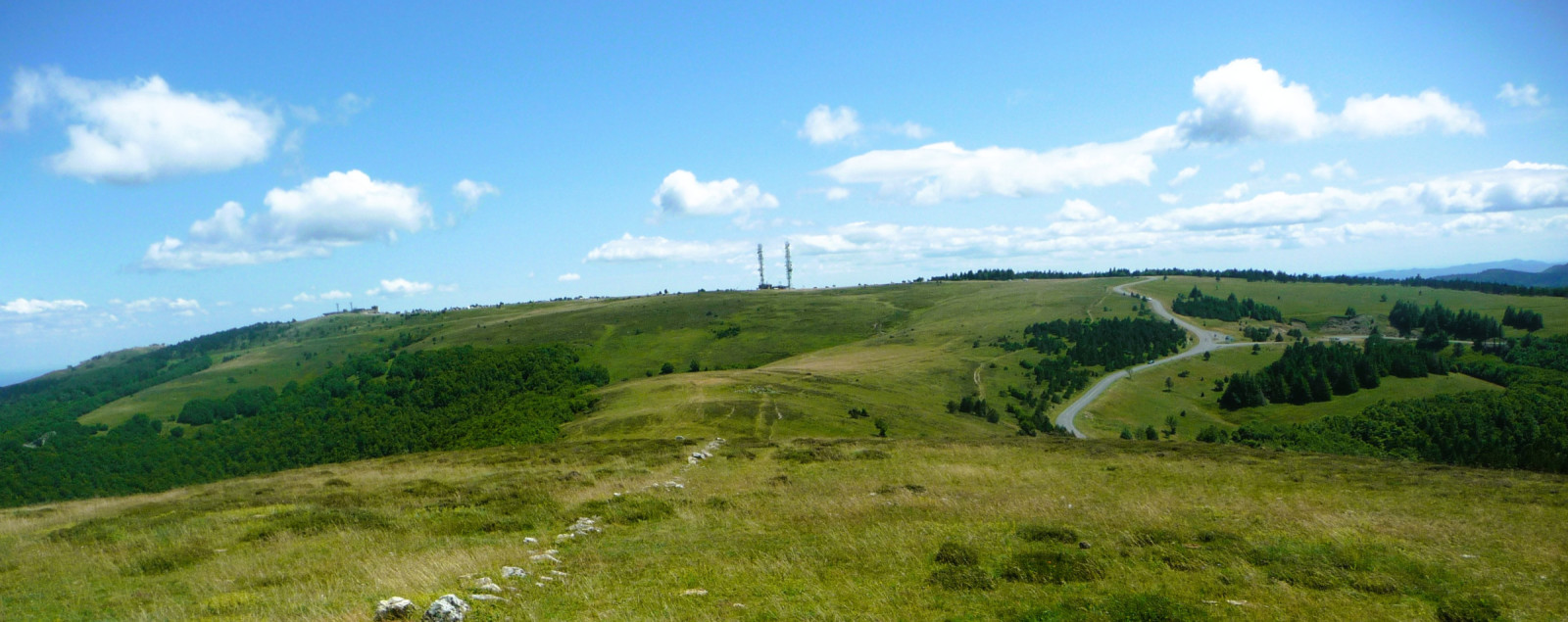
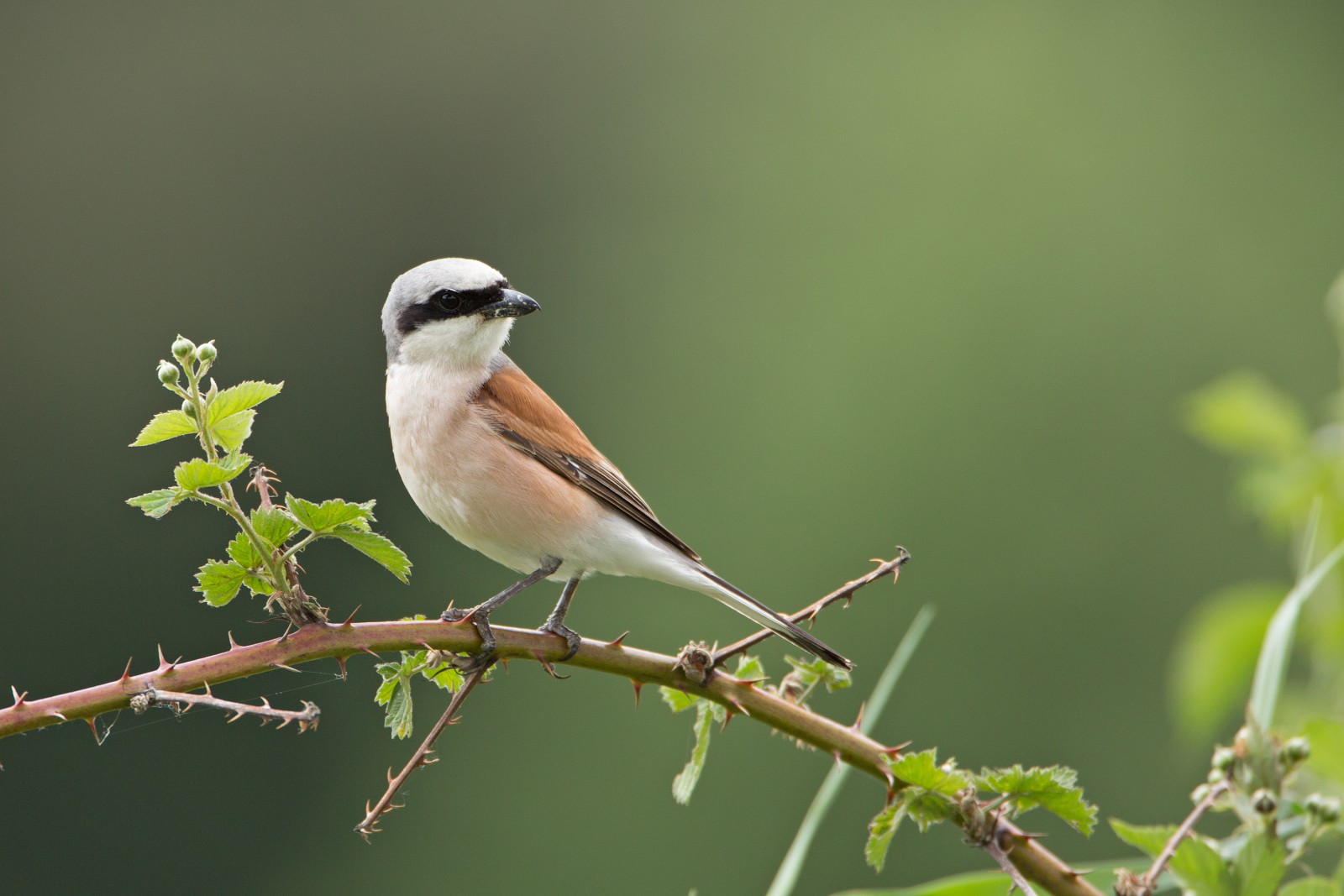
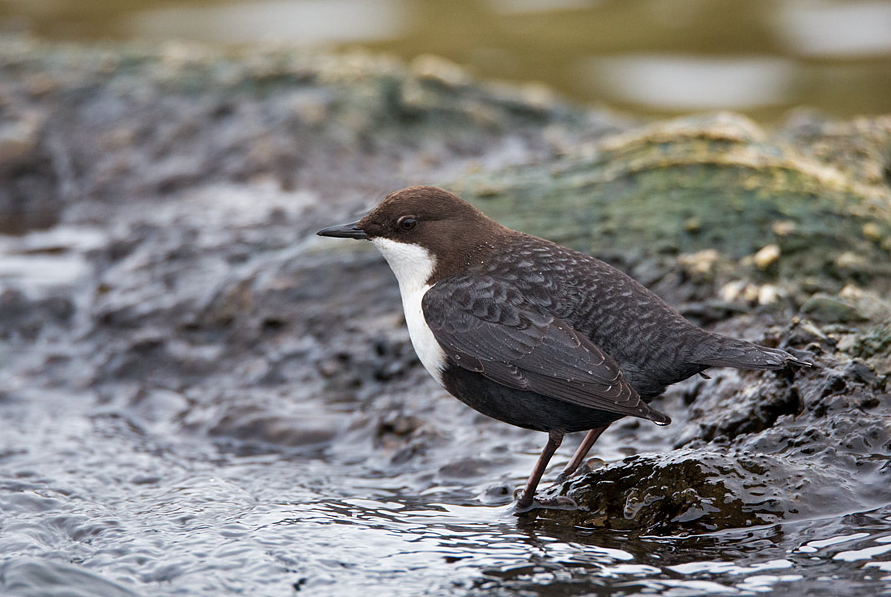
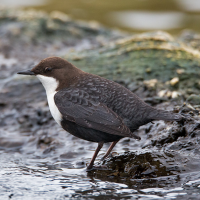
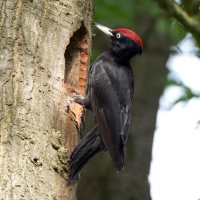
The Aigoual is worth a visit at all seasons, but winter and spring will be best. The summit itself is a vast pasture with Fâsă de munte and Sfrâncioc roșiatic. Surrounding conifer and beech forests host a nice mid-european bird community with Ciocănitoare neagră, Minuniță, Ciuvică, Pițigoi sur, Pițigoi de brădet, Fâsă de pădure and other common species that do not occur in the nearby mediterranean plain. Pescărel negru breeds along rivers on the way to the top, eg near Valleraugue. The Vallée du Bonheur which leaves from Camprieu pond is a good place for Presură de munte and Sfrâncioc roșiatic in May. This place will offer some of the best birding of the area.
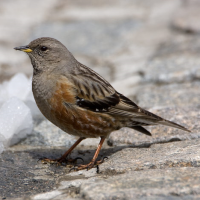
The Aigoual is also worth a visit from late october to late march for Brumăriță de stâncă (up to 15-20 indivuduals winter around the weather station and castle at the very top) and possibly Cinghiță alpină (up to a few tens but missing some years). Thrushes may show up in the nearby Camprieu plain if the weather is cold (Cocoșar and Sturzul viilor). Raptors can occur in good weather (Acvilă de munte , Vultur sur).
Details
Access
The Aigoual is a 2h drive north from Montpellier. In spring, the Vallée du Bonheur from Camprieu pond (2) is probably the best bet for a morning visit (foot track from the pond climbing gently upwards along the valley, then crossing a beech forest - it is a 2-3h loop). The Lac de Pises (3), a 30' drive from Camprieu, deserves a morning or evening visit (avoid it during midday as it is a classic picnic place). Wolves sightings have become regular in this area. For forests, try the Col du Minier (4) and forests between Camprieu and the summit. You can park at the Aigoual summit (1). Note that it can be very cold in windy winter days. You can wander around the weather station for Brumăriță de stâncă and Cinghiță alpină in winter or Sfrâncioc roșiatic, Pietrar sur and Fâsă de munte in summer.
 Peter Watthy.jpg)
 ) to insert bird names in your own language. The birdnames will automatically be translated for other users!