Description
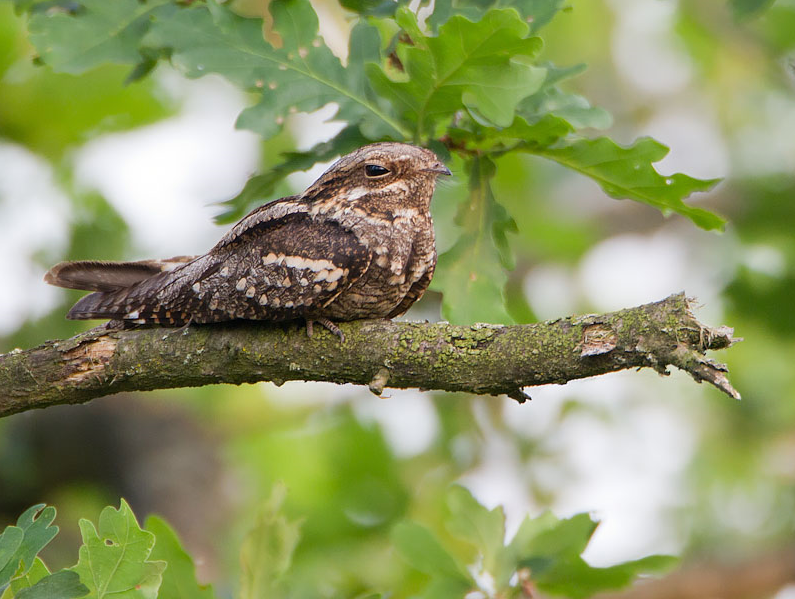
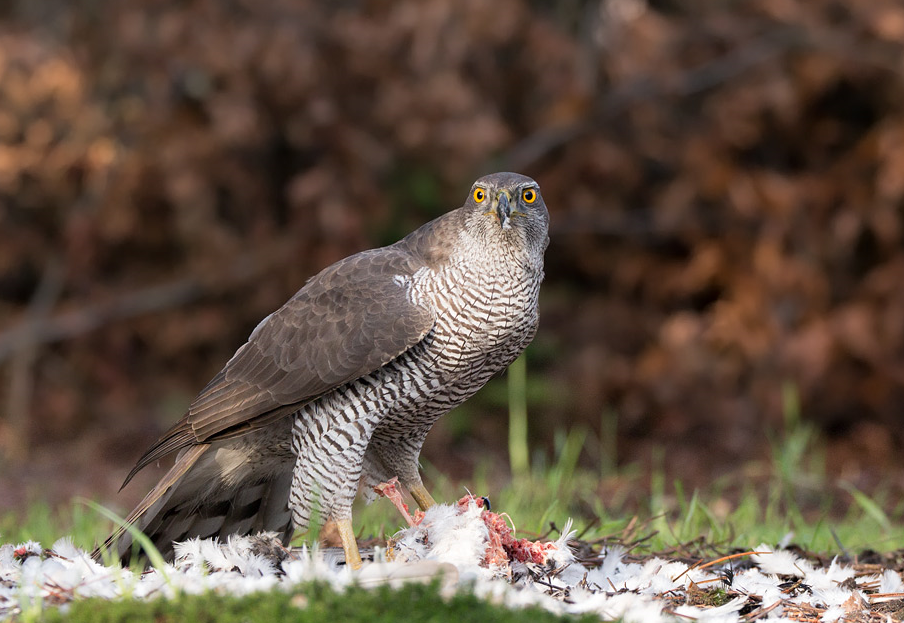
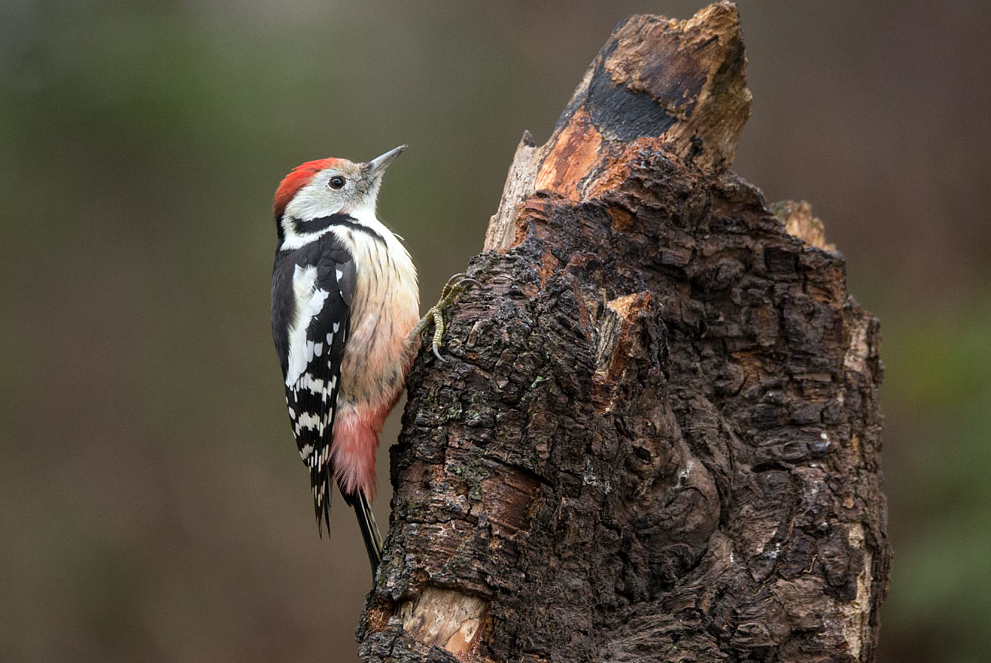
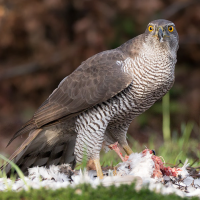
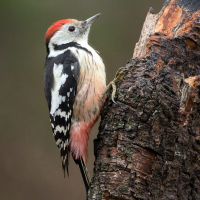
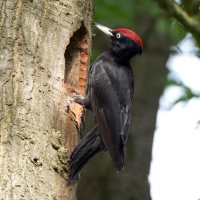
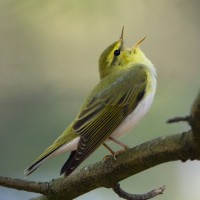
Senonches Forest is typical of the Perche woodlands, similar in composition and bird community as its better-known counterparts of Normandy (Perche-Trappes, Reno-Valdieu). The forest is dominated by oak, with small amounts of pine and beech. Most of the forest is managed but with a very reasonable diversity in structure, from moorlands to old (>80 years) stands and from clear to dense understoreys. The flagships are woodpeckers: Ciocănitoare pestriță mare, Ciocănitoare de stejar, Ciocănitoare neagră, Ciocănitoare pestriță mică, and Ghionoaie verde. The Ghionoaie sură has not been observed for over 20 years. In june evenings Caprimulg are easy to find in young stands and moorlands. The passerine community includes all tits, Pitulice sfârâitoare, Grelușel pătat, and all other common species. Cojoaică cu degete scurte was reported several times in the past but it is unclear whether it still occurs. Uliu porumbar breeds, as do other common raptor species. The status of Barză neagră is unknown but may deserve some exploration.
Details
Access
Senonches Forest is located northwest of the town of Senonches. The forest is within biking distance of several train stations connected to Paris (La Loupe, Nogent le Rotrou) and can easily be explored as a half day trip from Chartres or Dreux. The nearest train stations are La Loupe and Courville sur Eure ; bus services run to Senonches at least from Chartres and Dreux. The road network in the forest is classical of any large woodland in France: long straight roads that run in stars from large clearings called "Ronds". The Rond de Sauveloup and Grand Rond are good starting points. You can also park at the Etang de la Bennette, a large forest pond with bogs. From there, you can easily walk or bike along forest tracks.
Take your time and go far along the tracks. It is a good idea to check a recent satellite photo from Google Earth or Geoportail before visiting. Try to visit the oldest stands first, as early as possible after sunrise. Younger stands with open/shrub habitat species can be kept for a bit later, although expect the forest to become quieter by 10am in spring. In winter, edges between old and young stands are the best way to find tit parties, buntings, and hope for raptors if the weather is clear. The 10 km circular walking route shown on the map is just a suggestion, there are many other paths that you can explore.
 ) to insert bird names in your own language. The birdnames will automatically be translated for other users!