Description
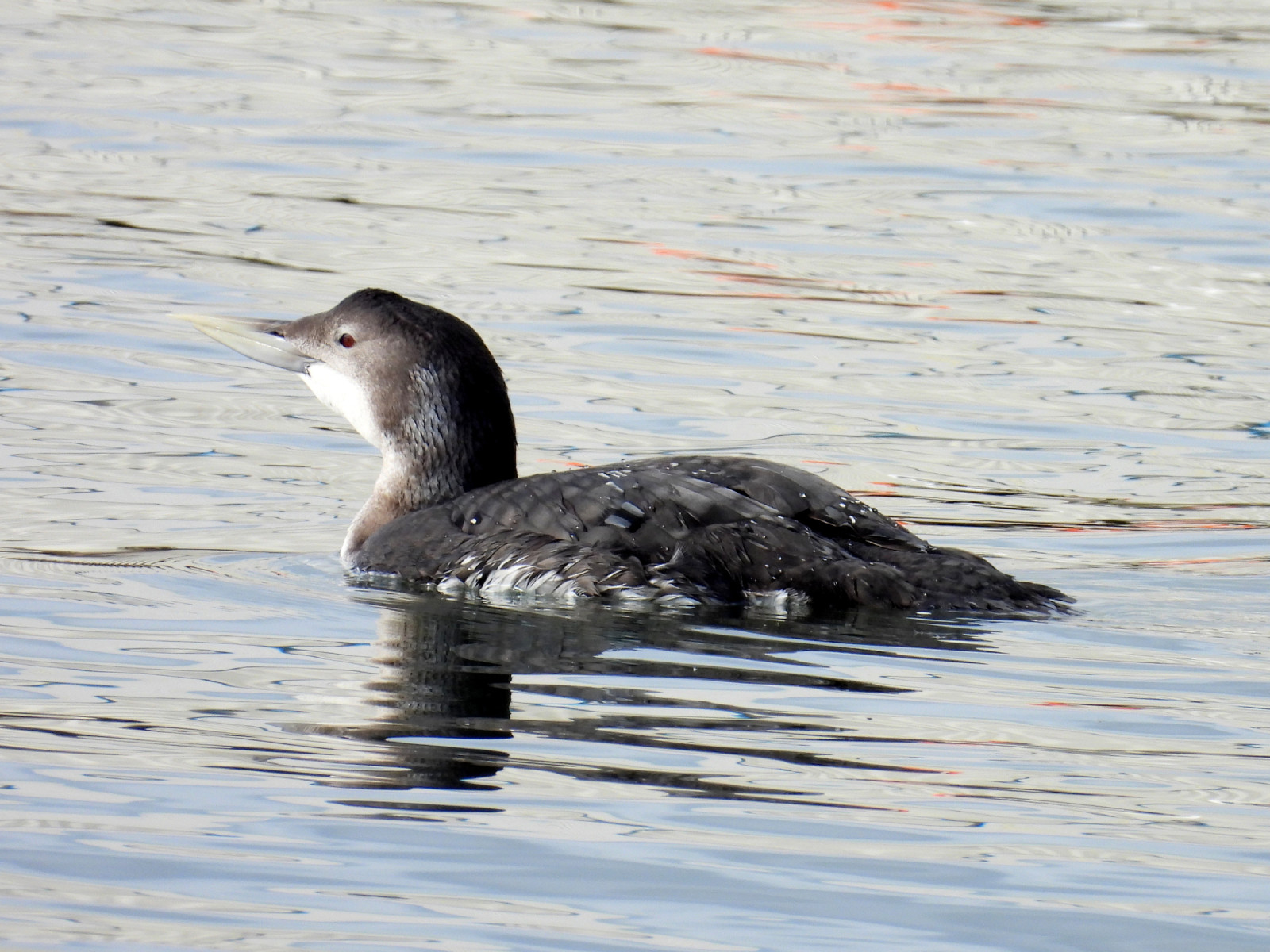
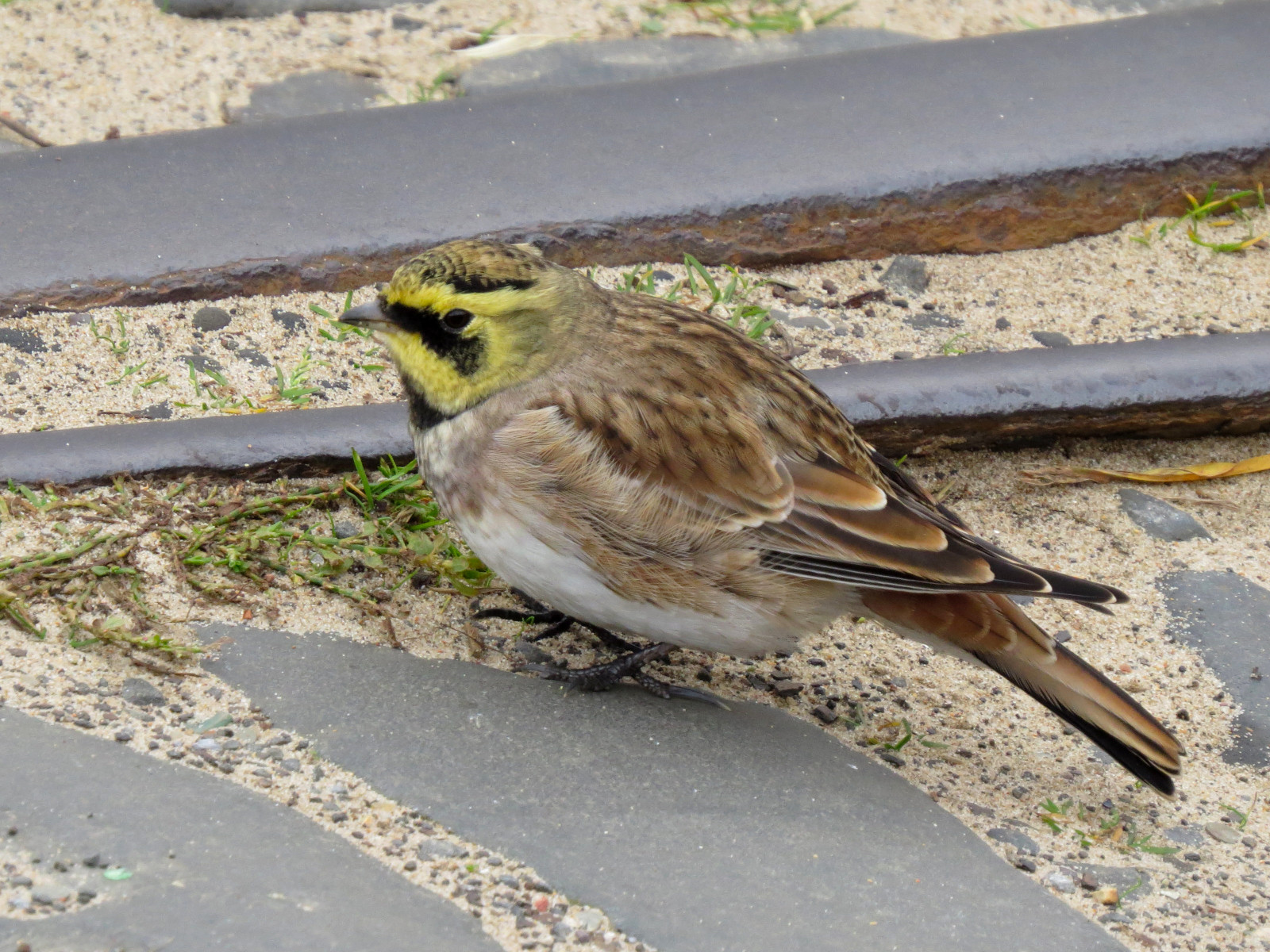
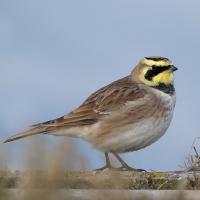
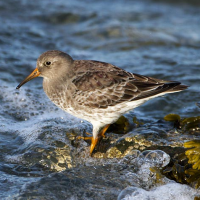
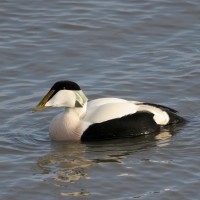
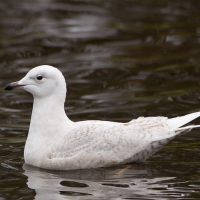
Not the most visually attractive of sites, Blyth South Harbour does however have birding interest. The large gull roost often attracts Pescăruș de ghețuri and Pescăruș cu aripi albe in winter, while a 'scope view across the river to the (inaccessible) North Mole sees a good high tide roost of Cormoran moțat and Fugaci de mare. The river itself usually has a flock of Eider, and less regularly, Ferestraș moțat and Rață neagră , while auks like Alcă nordică and Alcă mică can be seen on the sea to the south. A line of sand dunes extends south from the harbour for about 4 km, and as the harbour end of the dunes is often the quietest stretch with fewer dog walkers, Pasărea omătului tend to gather at this end, as do the occasional Ciocârlie urecheată and Presură de tundră. The barrier of the North Mole prevents the South Harbour being a good seawatching site, but birds migrating higher overhead along the coast like Gâscă cu cioc scurt and Lebădă de iarnă can be seen. Rarities have included three Cufundar cu cioc alb (including two together in February 2026!) and a Corcodel cu gât roșu or two.
Details
Access
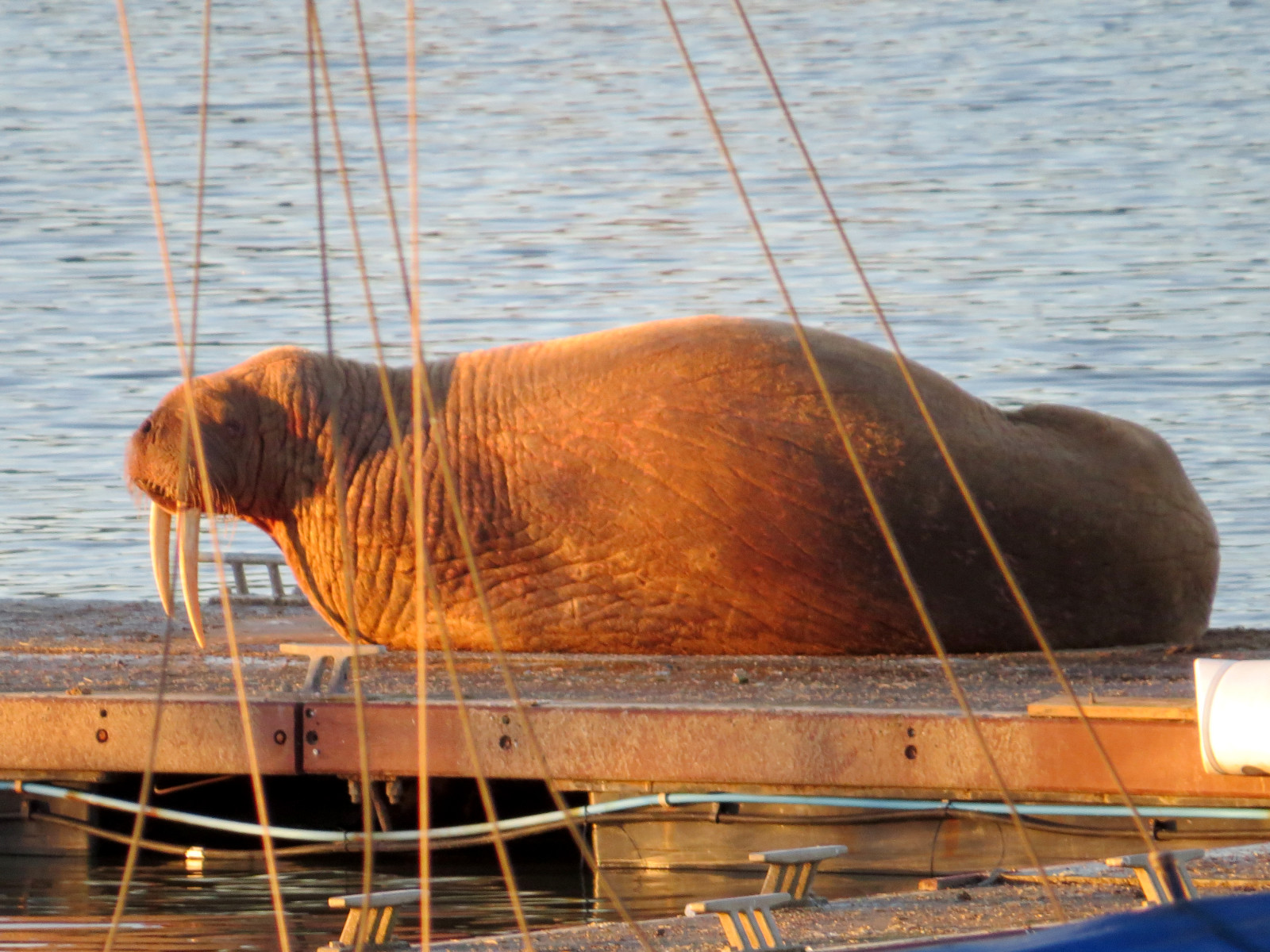
Busses 308 and 309 between Newcastle upon Tyne and Blyth run past the entrance, and there is a small car park (often busy with fishermen so space can be limited). The harbour road beyond the car park is closed to cars (except for local boat owners), but is open to cyclists and pedestrians. Walk along the dunes and back along the harbour road, or vice-versa; scan the harbour pontoons and staiths for gulls (and the occasional Walrus!).
 ) to insert bird names in your own language. The birdnames will automatically be translated for other users!