Description
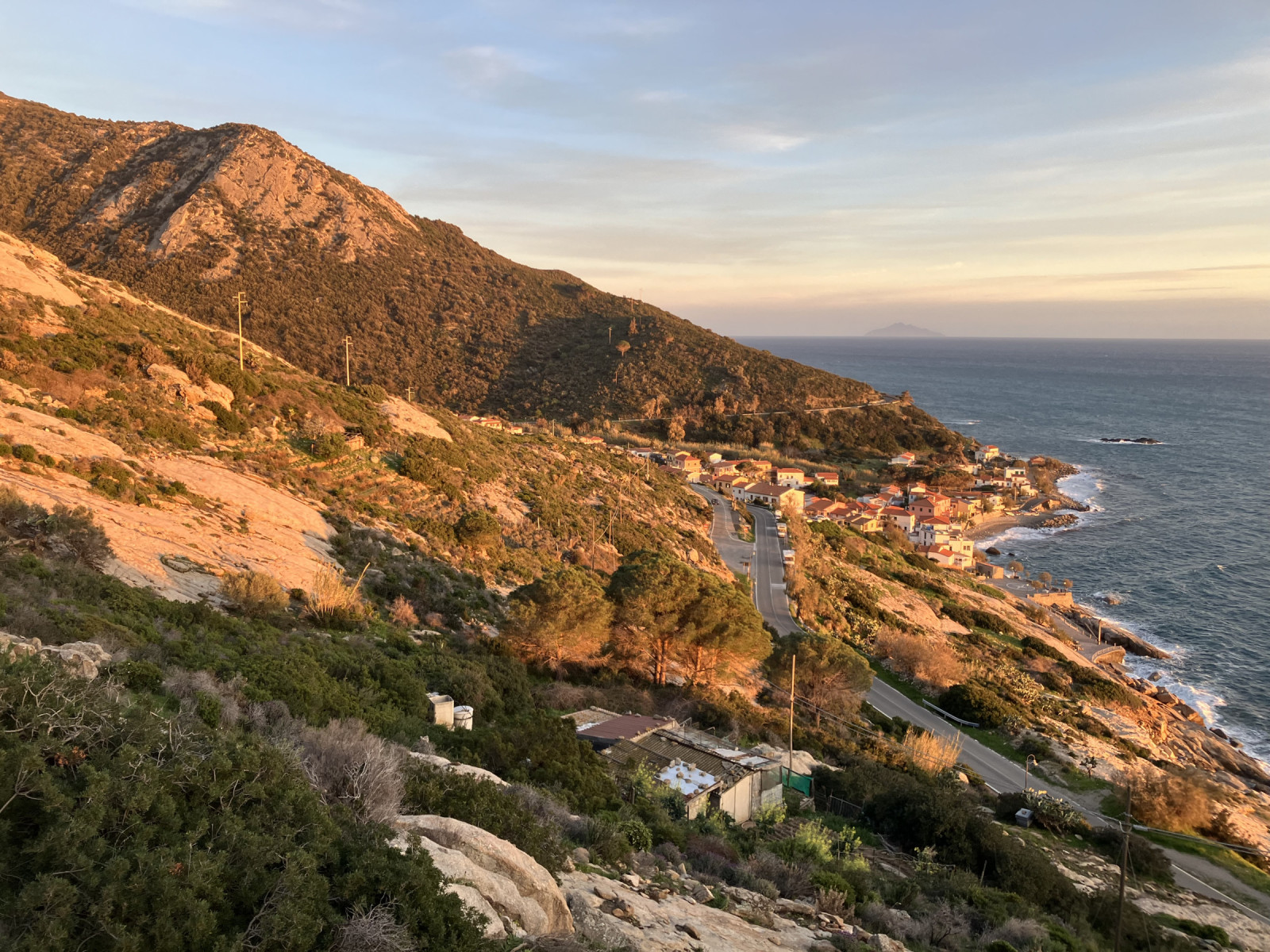
The picturesque, mountainous west coast of Elba, surrounded by the Tyrrhenian Sea to the north, west and south, is not only a magnet for many resting birds on the spring and autumn migration. You can also find endemic breeding birds there, whose distribution is limited to a few islands or coastlines, such as Левантский буревестник, Средиземноморский буревестник (подвид diomedea), Чайка Одуэна, Корсиканский вьюрок and Сардинская славка.
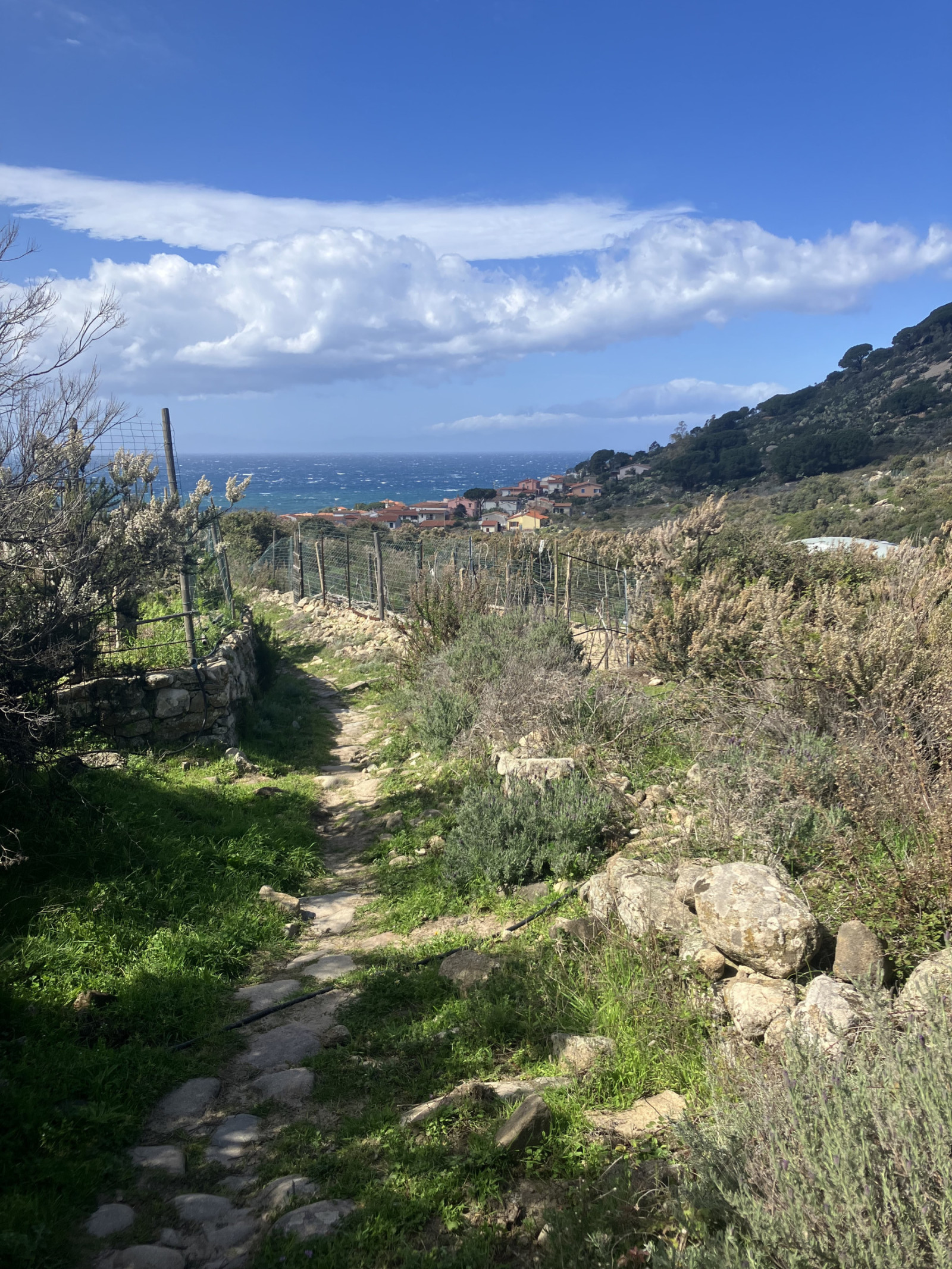
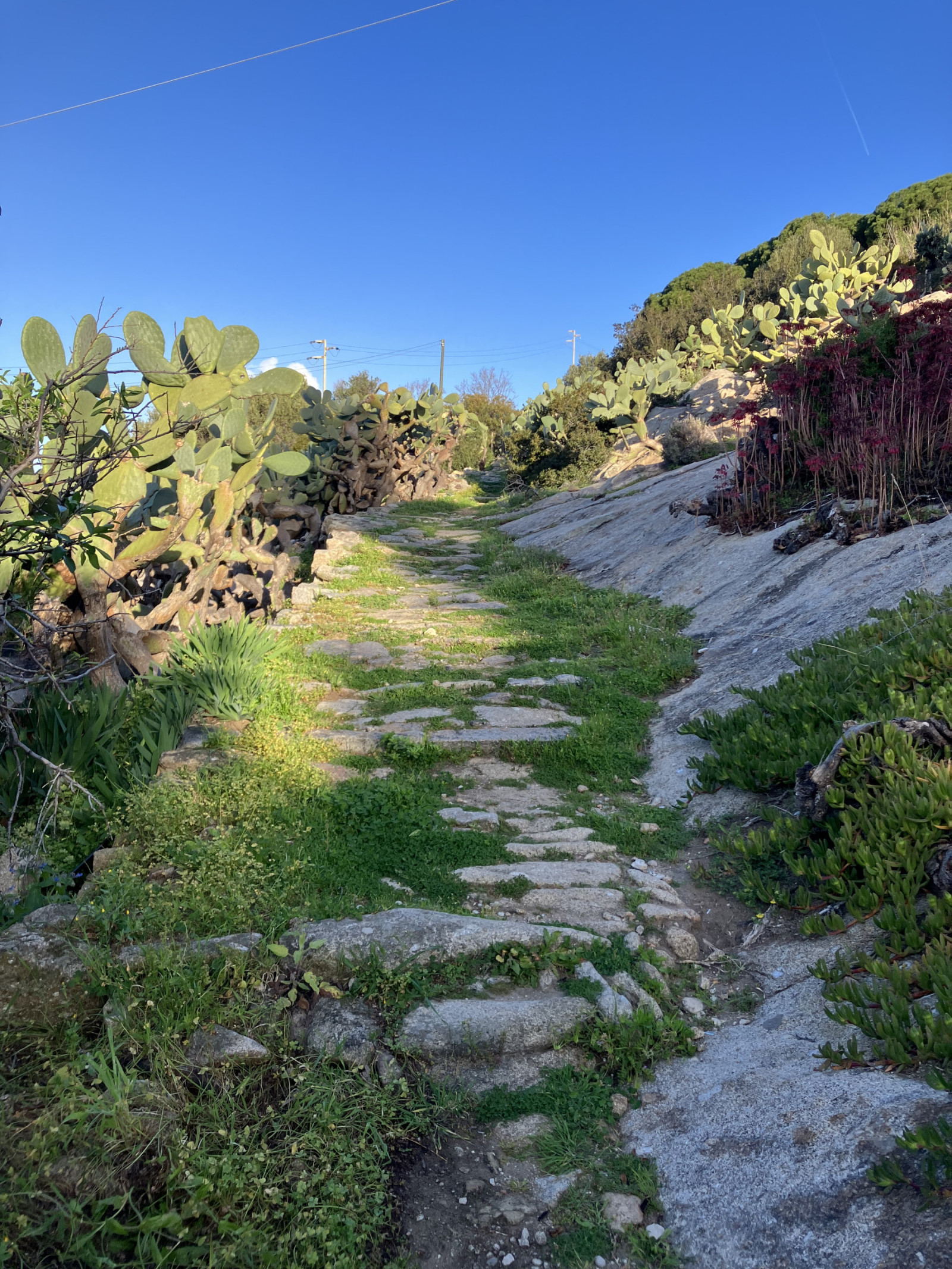
Above the coast there are many paths running parallel to the main road through the open, stony scrub, some of which are marked on the map. Breeding birds here are Красная куропатка, Белобрюхий стриж, Ворон, Синий каменный дрозд, Средиземноморская славка, Провансальская славка, Славка Молтони, Коноплянка, Европейский вьюрок, Черноголовый щегол, Корсиканский вьюрок, Огородная овсянка and many more. Сардинская славка can also be encountered, especially at higher altitudes. In the higher vegetated areas Южный соловей, Серая мухоловка and Красноголовый королёк occur.
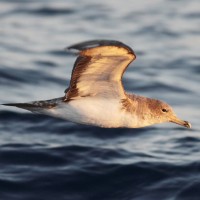
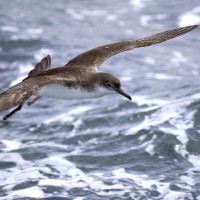
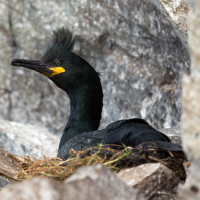
Looking to the sea, you can see Средиземноморский буревестник (подвид diomedea) and Левантский буревестник migrating and hunting off the coast, especially in the morning and evening hours. Чайка Одуэна and Хохлатый баклан can be seen as well. In the winter months watch out for Северная олуша .
The most attractive migrating birds in spring and autumn include Змееяд, Чёрный коршун, Обыкновенный осоед, Болотный лунь, Чеглок Элеоноры , Чеглок, Золотистая щурка, Удод, Вертишейка, Обыкновенная горлица, Пеночка-трещотка, Серая славка, Рыжегрудая славка, Каменка, Луговой чекан, Обыкновенная горихвостка, Мухоловка-пеструшка and Мухоловка-белошейка. Many of the songbirds like to rest in orchards and vineyards, which are mainly found near the villages.
In addition to the birds, you can also spot mouflons, wild boars and many insects there.
_________________________
Italiano: La pittoresca e montuosa costa occidentale dell'Elba, circondata dal Mar Tirreno a nord, ovest e sud, non è solo una calamita per molti uccelli che sostano durante la migrazione primaverile e autunnale. Vi si possono trovare anche uccelli nidificanti endemici, la cui distribuzione è limitata a poche isole o coste.
Sopra la costa ci sono molti sentieri che corrono paralleli alla strada principale attraverso la macchia aperta e sassosa, alcuni dei quali sono segnalati sulla mappa.
Oltre agli uccelli, qui è possibile avvistare anche mufloni, cinghiali e molti insetti.
Details
Access
The island of Elba can be reached by ferry from Piombino. Most ships head for Portoferraio, the largest town on the island. The west coast can be reached by car via Procchio and then either south via Marina di Campo or north via Marciana. Autolinee Toscane bus number 116 also runs along the entire route. The best way to explore the coast is on foot. Good starting points are the villages of Seccheto, Fetovaia, Pomonte, Chiessi, Colle d'Orano, Patresi or Zanca. Click on a P in the map for directions to a parking spot.
_________________________
Italiano: L'isola d'Elba è raggiungibile in traghetto da Piombino. La maggior parte delle navi fa rotta verso Portoferraio, il centro abitato più grande dell'isola. La costa occidentale è raggiungibile in auto via Procchio e poi verso sud via Marina di Campo o verso nord via Marciana. Anche l'autobus numero 116 delle Autolinee Toscane percorre l'intero percorso. Il modo migliore per esplorare la costa è a piedi. Ottimi punti di partenza sono i paesi di Seccheto, Fetovaia, Pomonte, Chiessi, Colle d'Orano, Patresi o Zanca. Clicca su una P nella mappa per le indicazioni stradali per raggiungere un parcheggio.
 ) to insert bird names in your own language. The birdnames will automatically be translated for other users!