Description
Kushtar Micro-Reserve is a small community-based coastal wetland on the eastern shore of Lake Issyk-Kul, shaped by ongoing shoreline and sedimentation processes. The area combines shallow waters, residual ponds, sandy spits, open grass-covered land and dense sea buckthorn shrublands.
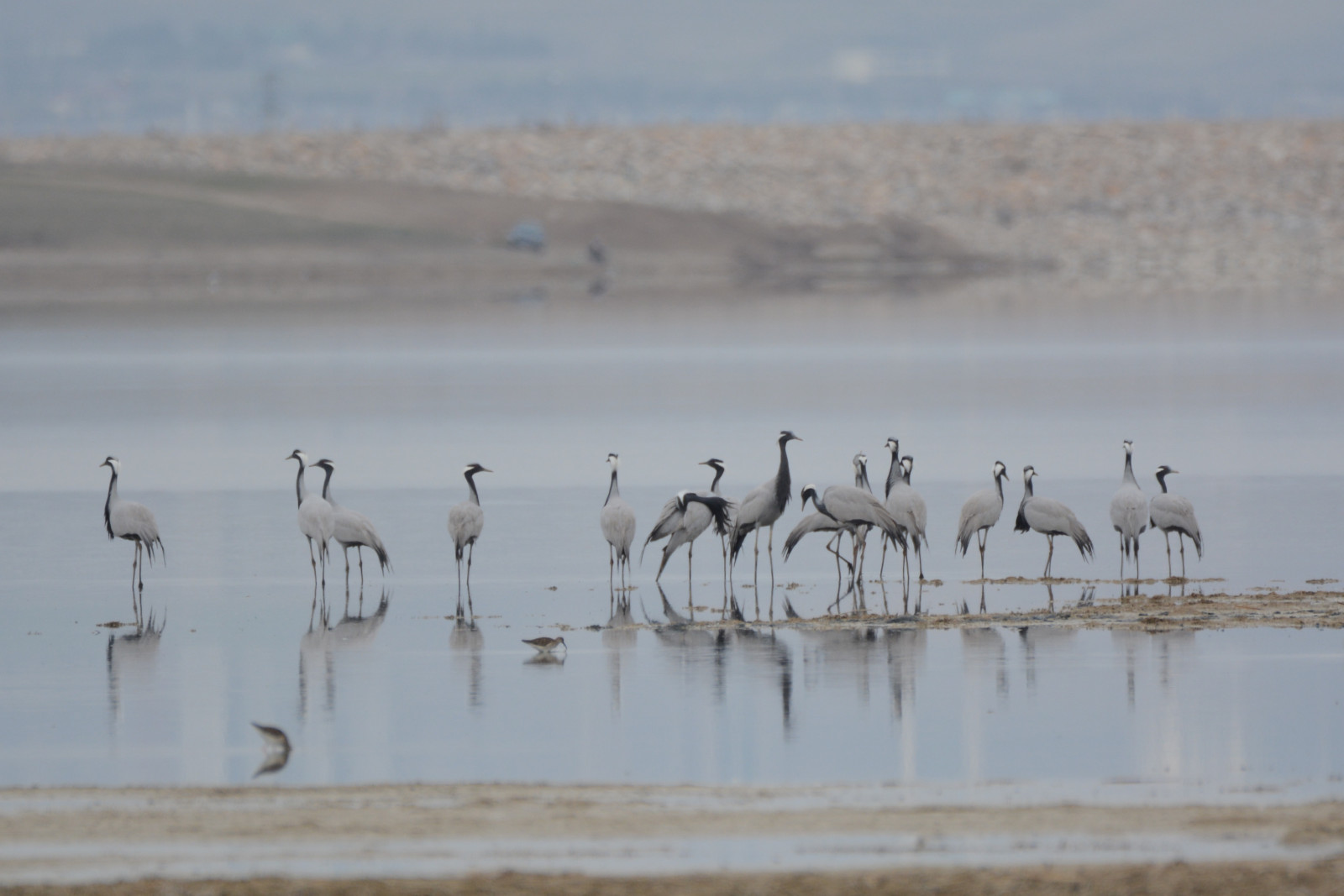
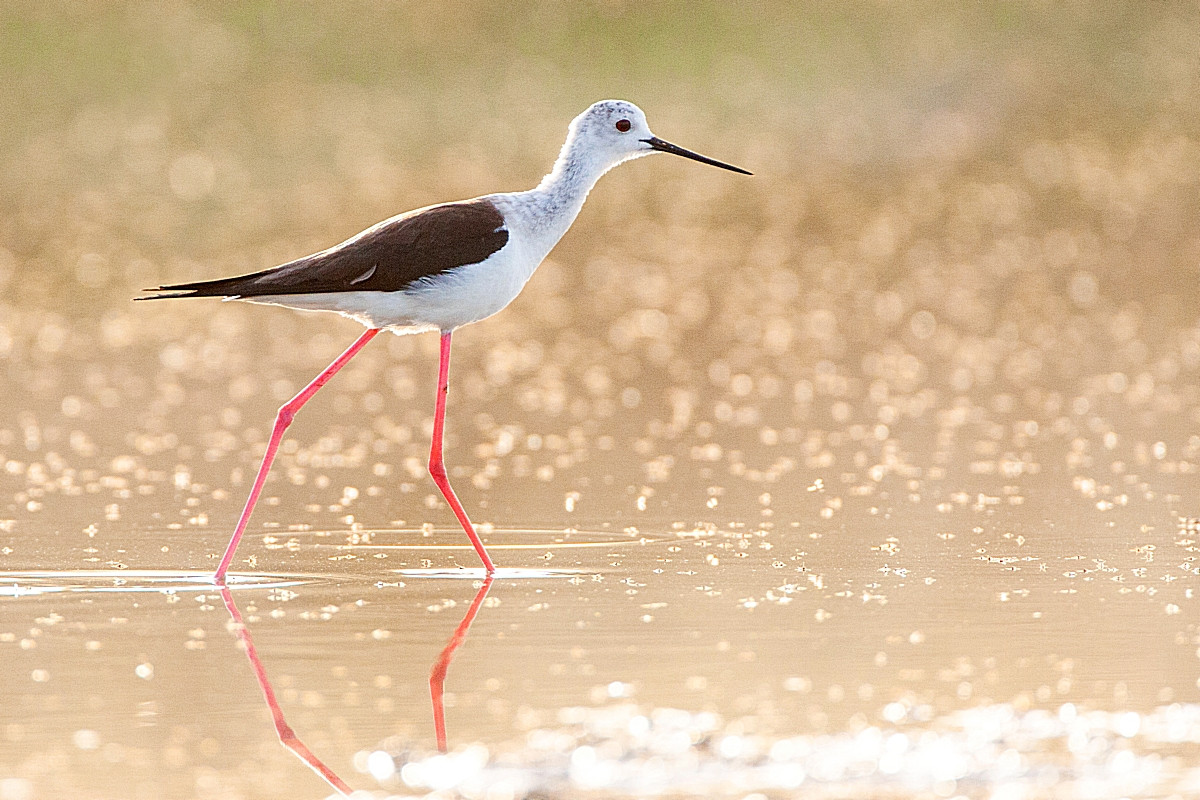
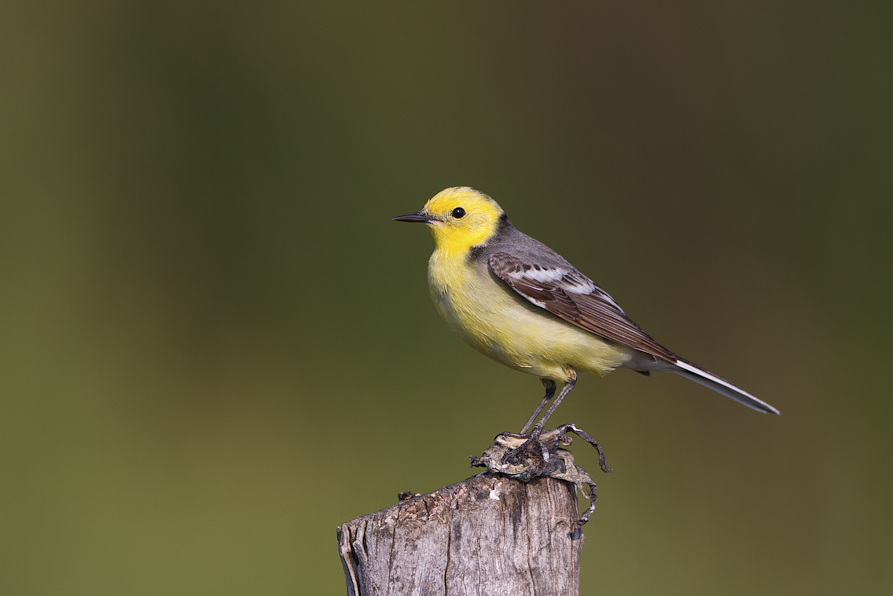
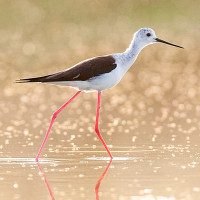
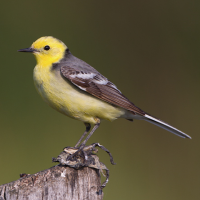
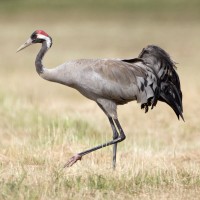
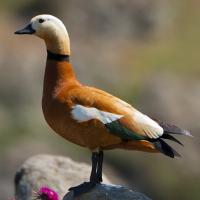
The site is locally important as a seasonal migration stopover for cranes, especially during spring and late summer. Large flocks of Demoiselle Crane and Common Crane use the area for resting and feeding, sometimes forming impressive concentrations. In addition to cranes, the reserve regularly hosts swans, geese, ducks, waders and various passerines, making it attractive beyond peak migration periods.
Low visitor pressure, open landscapes and designated observation points make Kushtar especially rewarding for birdwatchers interested in migration dynamics and quiet, non-touristic sites.
Details
Access
Kushtar Micro-Reserve is located in Issyk-Kul Region, near the village of Priozernoe, on the eastern shore of Lake Issyk-Kul. The area can be reached by car via unpaved roads from nearby settlements; parking is possible near the reserve entrance. There is no regular public transport directly to the site. The reserve is best explored on foot, using eco-trails, observation hides and the viewing tower.
A visit typically requires at least half a day, while birdwatchers focusing on crane migration may prefer to spend a full day or multiple days during peak seasons.
Terrain and Habitat
Wetland , Lake , Mud flats , Scattered trees and bushesConditions
Flat , Sandy , Wet , Open landscapeCircular trail
NoIs a telescope useful?
Can be usefulGood birding season
Spring , Summer , AutumnBest time to visit
Autumn migration , Spring migrationRoute
Unpaved road , Narrow trailDifficulty walking trail
EasyAccessible by
Foot , CarBirdwatching hide / platform
YesExtra info
The reserve was created through a local community initiative and is maintained with the help of volunteers. Visitors are encouraged to use designated trails and observation points, especially during crane migration, to minimize disturbance.
Although the area is open and accessible, responsible birding practices are strongly recommended. A spotting scope can be useful for observing distant flocks over open water and wetlands.
 ) to insert bird names in your own language. The birdnames will automatically be translated for other users!