Description
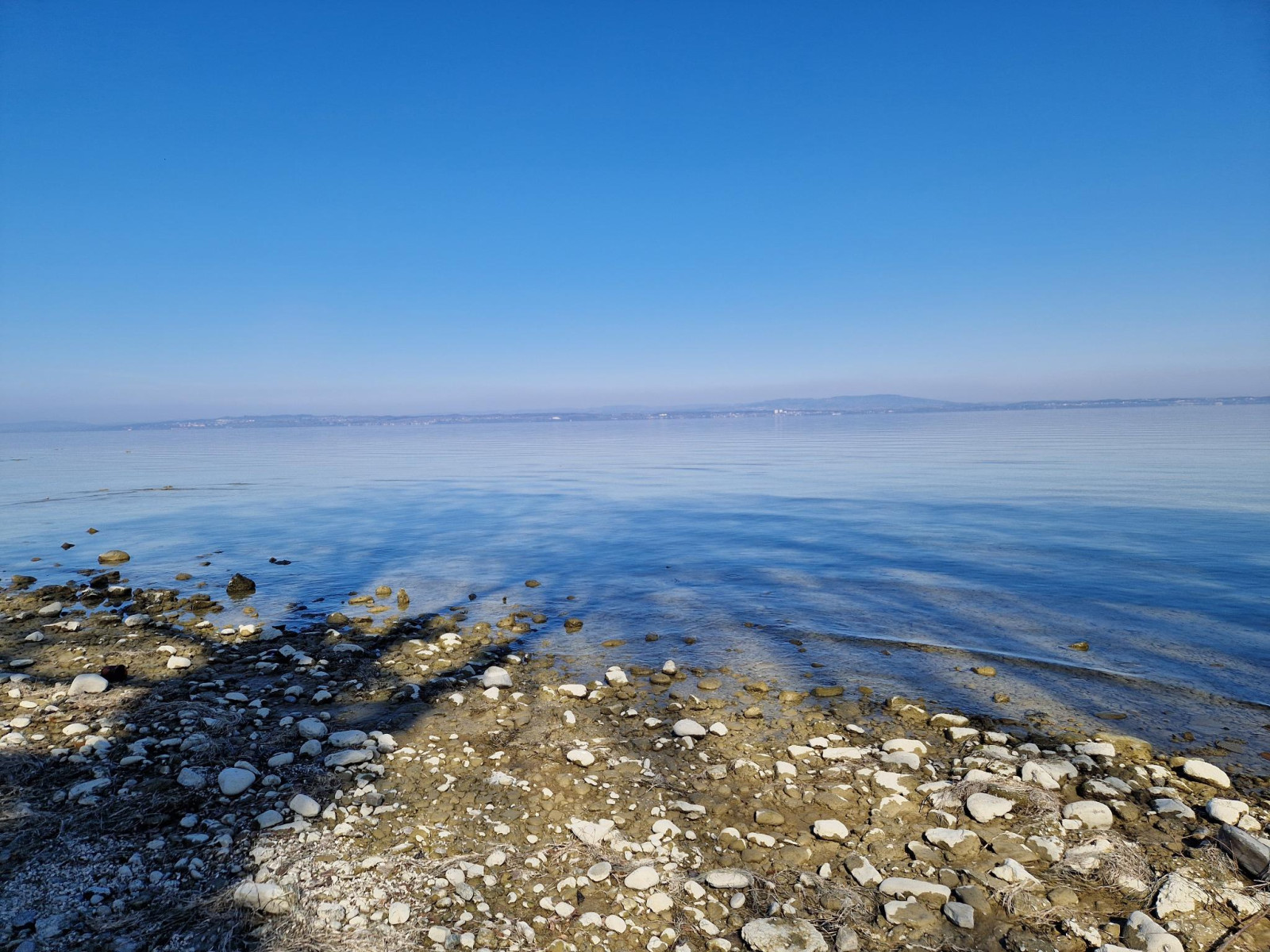
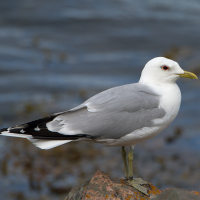
At the right time of the year and if the weather is playing along, the "Seetaucherstrecke" can be one of the most rewarding spots in Switzerland for birdwatching. It is especially worth coming here during two periods of the year: From the second half of August to the end of September, the Lake Constance may be second to none in the world to watch Короткохвостый поморник and Длиннохвостый поморник. On their way southwards from the breeding grounds, a few individuals regularly spend those weeks on this large inland freshwater body. The birds are usually foraging out in the open, often slightly south to the area described here. Many birders rent boats (available at the Romanshorn harbour) to observe them up close. If you do so, make sure to check the weather forecast! On the lake, you are likely to encounter Малая чайка, Черноголовая чайка, and Чёрная крачка as well.
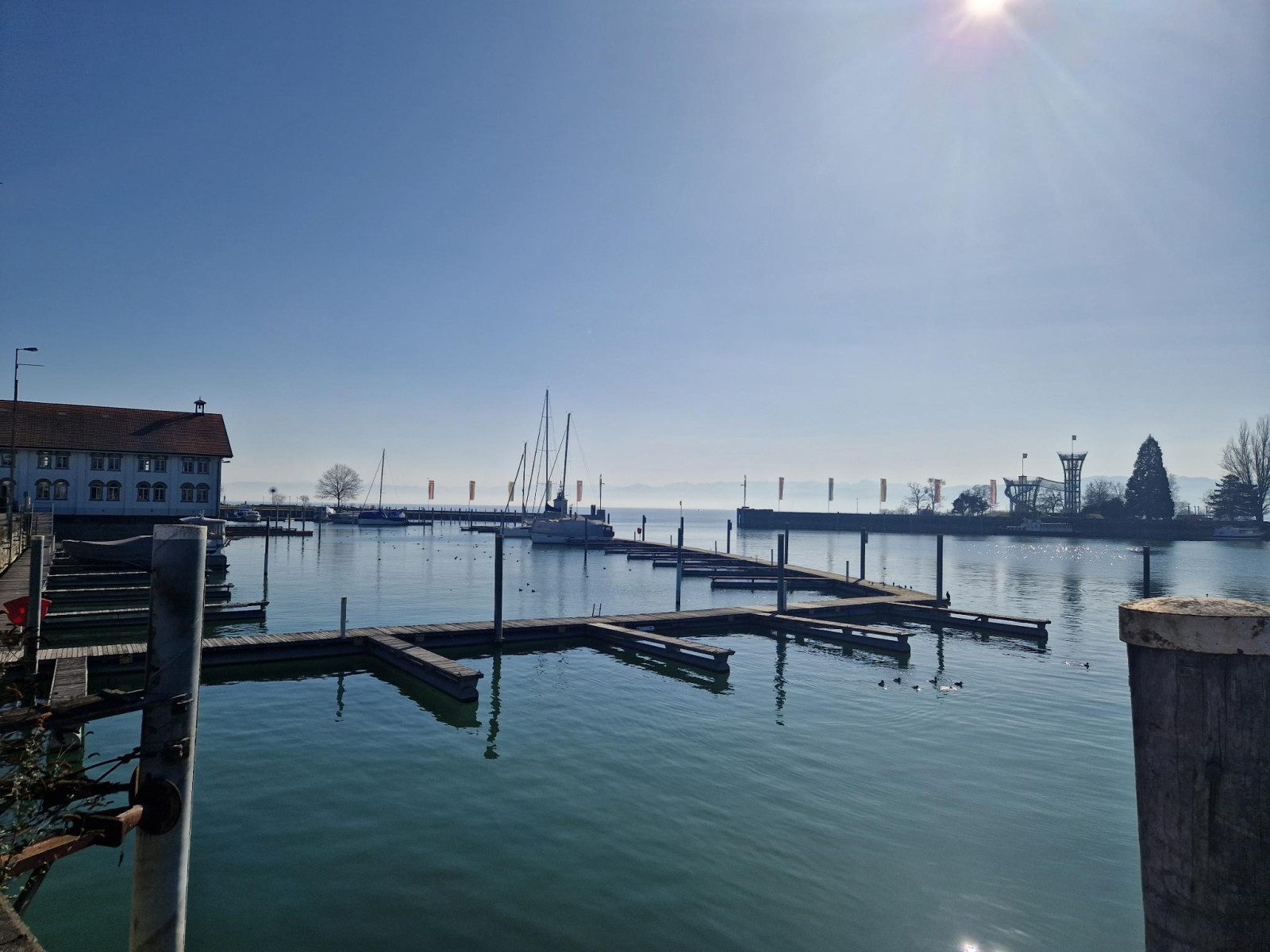
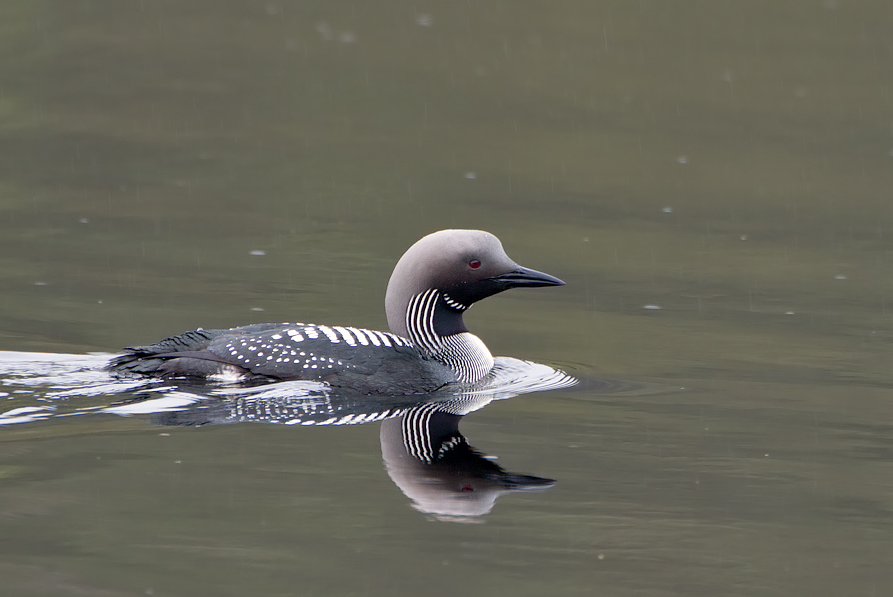
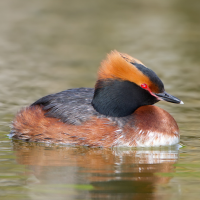
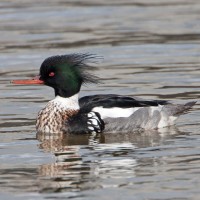
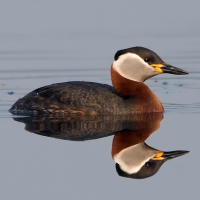
The second time of year when the "Seetaucherstrecke" shines is during the winter months. Красношейная поганка, Краснозобая гагара, Чернозобая гагара, and Серощекая поганка as well as Длинноносый крохаль and Турпан, otherwise rare in Switzerland, can reliably be observed. With luck, Морская чернеть, Синьга, and Черноклювая гагара can be seen, too. In the harbour and on the pales, make sure to check the gulls: In between the common Средиземноморская чайка, Озерная чайка, and wintering Сизая чайка, the Серебристая чайка is regularly observed. Seeing a Хохотунья and sometimes the very rare Морская чайка might be possible, too. Amongst the waterfowl in the harbours, you might encounter aБелоглазый нырок. Another attractive winter species is the Лебедь-кликун: Lake Constance is the only area in Switzerland where they can be easily observed every year. While the Seetaucherstrecke is not the best place for this species, it might be worth having a closer look at the swans. There are also a few records of the rare Американский лебедь.
While the best chances of seeing rare species are in the height of winter, a visit in March is also worthwhile. Some of the loons that are still here by then have already changed into their breeding plumage.
Details
Access
Whether you come in late summer to observe jaegers or in winter for the loons and grebes, always check the weather forecast! Especially when renting a boat, be sure to avoid storms. If coming in winter, make sure there isn’t much wind, as the birds will be far away and observing them is only possible if there aren’t many waves on the water surface. The app Windy provides an excellent wind forecast, MeteoSuisse is a reliable weather forecast in general.
The area is very easy to reach by train, there is a train station close to every spot. The area can be explored either by taking the train and riding from one station to the next, or by foot. The part between Uttwil and Güttingen is particularly rewarding, as the path leads directly along the shore. It is forbidden to ride a bike here. The path is wheelchair accessible.
Coming by car is also possible too, check the Ps on the map for various parking lots. In summer, and especially on the weekends, the lots might be busy, though. There is really almost no reason not to come by public transport.
 ) to insert bird names in your own language. The birdnames will automatically be translated for other users!