Description
The Biferno River concludes its course in Campomarino with a majestic estuary mouth spanning approximately 817 hectares, representing one of the most precious Sites of Community Importance (SCI) along the Molise coast. This ecosystem is characterized by a marshy wetland with shallow waters, where a succession of rare habitats - such as coastal dunes, back-dunes, and brackish lagoons - together host the highest variety of animal and plant species along the entire coastline.
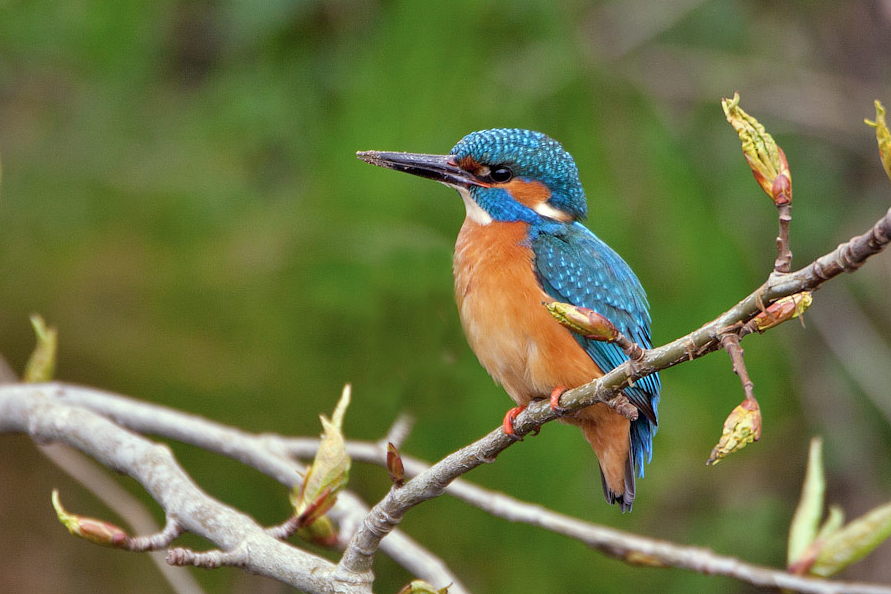
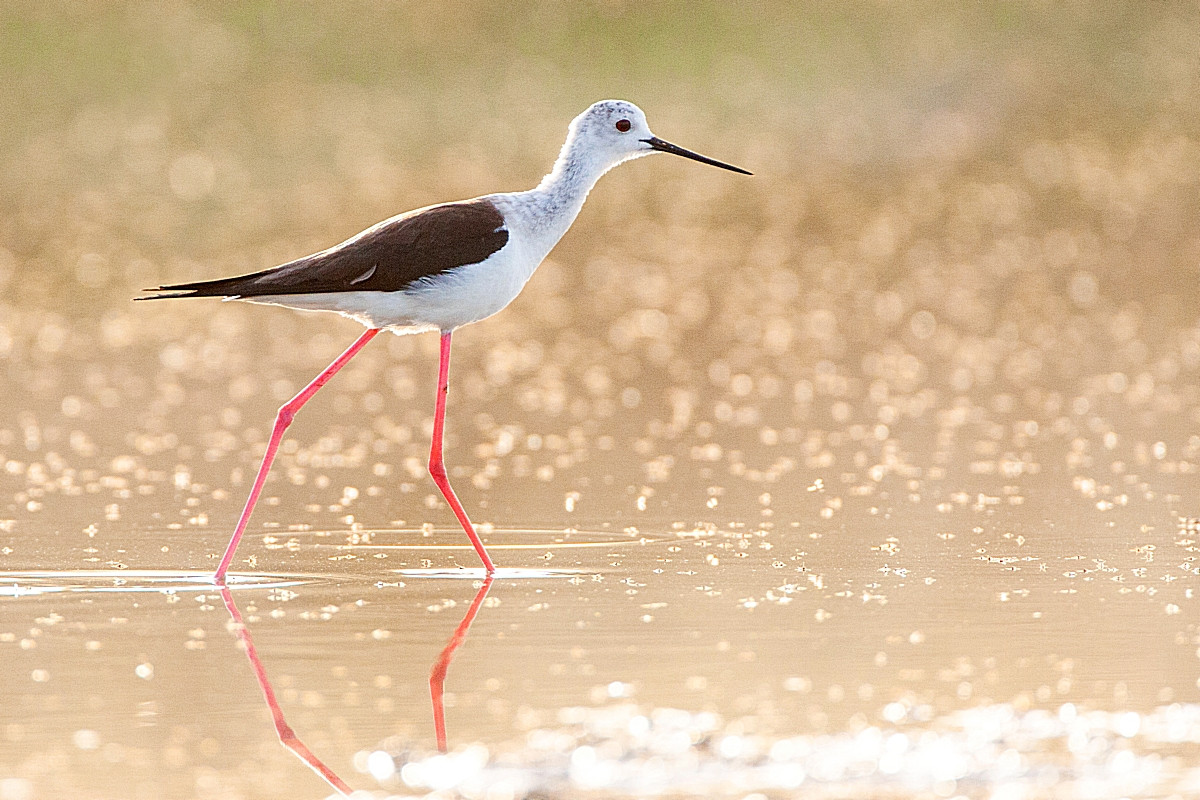
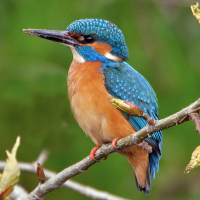
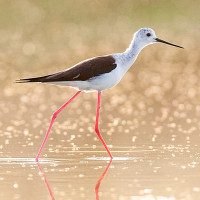
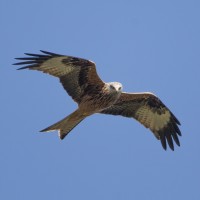
Thanks to this extraordinary environmental heterogeneity and its strategic position along migratory routes, the mouth and marshes of Campomarino stand out as one of the hotspots for birdwatching in the Adriatic. In particular, the coastal lakes located south of the mouth offer ideal conditions for observing birdlife, serving as a vital stopover for rare and majestic species such as the bocian čierny. The area is not just a transit point, but a true natural nursery: its wetlands and seasonal ponds constitute a crucial breeding site for protected species, including the šišila bocianovítá. For wildlife enthusiasts, the site offers unique landscapes where a wide variety of specimens can be easily spotted, from volavka popolavá and rybárik riečny to various Birds of Prey such as Falcons, Buzzards, and Woodpeckers.
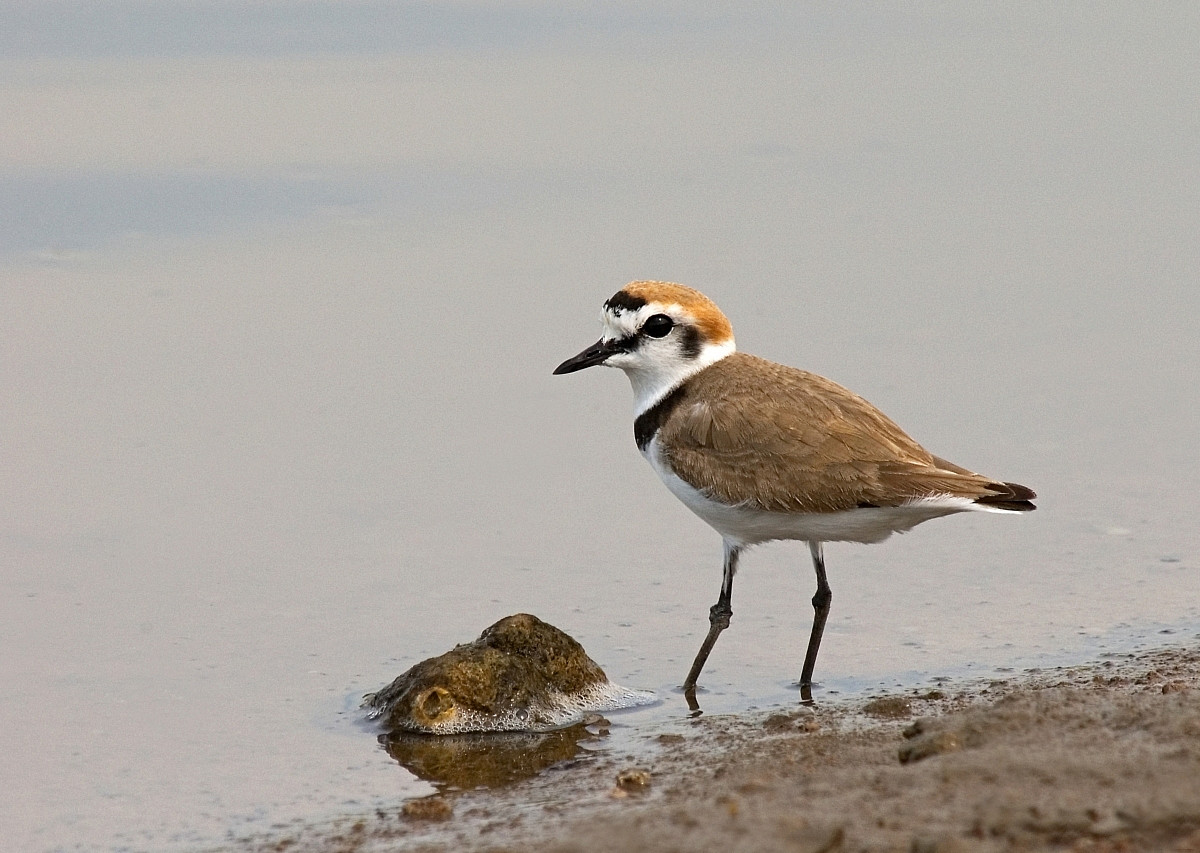
The Right Bank (Lido di Campomarino) is the most accessible area and offers the best view of the mudflats where waders gather. Park near the back-dune area north of Campomarino Lido. From here, you can walk up the sandspit that borders the river mouth. It is the ideal spot to see kulík morský (which nests on the dunes) and various gull species, including čajka čiernohlavá and čajka tenkozobá. NOTE: Do not walk on the fenced dunes: they are nesting areas for kulík morský.
On the left bank towards Termoli, the Riparian Forest Trail features denser vegetation, offering shelter to different species. Driving south on the SS16, immediately after the bridge over the Biferno, you will find dirt roads running along the embankment. This is the realm of passerines and marsh raptors. Along the reed beds and white poplars, it is easy to spot rybárik riečny, volavka popolavá and, during migration periods, kaňa močiarna.
Between the actual river mouth and the railway, temporary stretches of water often form (the marshes and back-dune wetlands); you can visit them by moving parallel to the coast, between the dunes and the pine forest. In the shallow, brackish waters, šišila bocianovítá and beluša malá often stop. In winter, it is an excellent spot for observing ducks, such as kačica divá and kačica chrapka.
_________________________
Italiano: La foce del Biferno a Campomarino è un tesoro di biodiversità: tra dune e lagune, questo sito è un paradiso per il birdwatching e habitat vitale per specie rare e protette. Il fiume conclude il suo corso a Campomarino con una maestosa foce a estuario che si estende per circa 817 ettari, rappresentando uno dei Siti d'Importanza Comunitaria (SIC) più preziosi della costa molisana. Questo ecosistema è caratterizzato da una zona umida acquitrinosa con fondali bassi, dove si susseguono habitat rari come dune costiere, retrodune e lagune salmastre, che insieme ospitano la più alta varietà di specie animali e vegetali dell'intero litorale.
Proprio grazie a questa straordinaria eterogeneità ambientale e alla sua posizione strategica lungo le rotte migratorie, la foce e le paludi di Campomarino si confermano come uno dei punti caldi per il birdwatching in Adriatico. In particolare, i laghi litoranei situati a sud della foce offrono le condizioni ideali per l'osservazione dell'avifauna, trasformandosi in una sosta vitale per specie rare e maestose come la Cicogna nera. L'area non è solo un punto di passaggio, ma una vera e propria nursery naturale: le sue zone umide e gli stagni temporanei costituiscono un sito cruciale per la riproduzione di specie protette, tra cui il Cavaliere d'Italia. Per gli appassionati di osservazione, il sito offre scenari unici dove è possibile avvistare con facilità una grande varietà di esemplari, dagli Aironi cenerini ai Martin pescatori, fino a diversi rapaci come Falchi, Poiane e i Picchi.
La Riva Destra (Lido di Campomarino) è la zona più accessibile e offre la vista migliore sulle secche dove si radunano i limicoli. Parcheggia nei pressi dell'area retrodunale a nord di Campomarino Lido. Da qui puoi risalire a piedi il braccio di sabbia che delimita la foce. È il punto ideale per vedere il Fratino (che nidifica sulle dune) e diverse specie di gabbiani, inclusi il Gabbiano corallino e il Gabbiano roseo. NOTA BENE: Non camminare sulle dune recintate: sono aree di nidificazione del Fratino.
Sulla sponda sinistra sul lato verso Termoli, il Sentiero del Bosco ripariale presenta una vegetazione più fitta offrendo riparo a specie differenti. Percorrendo la SS16 in direzione sud, subito dopo il ponte sul Biferno, si trovano degli sterrati che costeggiano l'argine. Questo è il regno dei passeriformi e dei rapaci di palude. Lungo i canneti e i pioppi bianchi è facile avvistare il Martin pescatore, l'Airone cenerino e, nei periodi di passo, il Falco di palude.
Tra la foce vera e propria e la ferrovia si formano spesso degli specchi d'acqua temporanei (i pantani e le zone umide retrodunali); li puoi visitare muovendoti parallelamente alla costa, tra le dune e la pineta. Nelle acque basse e salmastre sostano spesso il Cavaliere d'Italia e la Garzetta. In inverno, è un ottimo punto per osservare le anatre (Germani reali, Alzavole).
Details
Access
The area south of the Biferno river mouth is the main access point, located in the municipality of Campomarino. You can set your GPS to Via Rio Basso in Termoli, which is situated right near the estuary.
The area is served by easy trails, also suitable for children, that run alongside the river and the dunes. A suggested itinerary starts from the Campomarino Wetlands and heads north until the river meets the Adriatic Sea. To spot bocian čierny or šišila bocianovítá, head towards the stretches of water located between Lido Mambo and the south bank of the river; here, the brackish lagoons are the preferred stopover points for migratory birdlife.
_________________________
Italiano: La zona a sud della foce è l'accesso principale, nel comune di Campomarino. Puoi impostare il navigatore su Via Rio Basso a Termoli, situata proprio in prossimità dell'estuario.
L'area è servita da percorsi facili, adatti anche ai bambini, che costeggiano il fiume e le dune. Un itinerario suggerito parte dalla Zona Umida di Campomarino e procede verso nord fino all'incontro del fiume con l'Adriatico. Per avvistare la Cicogna nera o il Cavaliere d'Italia, dirigiti verso gli specchi d’acqua situati tra il Lido Mambo e la sponda sud del fiume; qui le lagune salmastre sono i punti di sosta preferiti dall'avifauna migratoria.
Terrain and Habitat
Wetland , River , Sea , Dunes , Reedbeds , Scattered trees and bushes , BeachConditions
Flat , Sandy , WetCircular trail
NoIs a telescope useful?
Can be usefulGood birding season
All year roundBest time to visit
Spring migration , Autumn migrationRoute
Unpaved roadDifficulty walking trail
EasyAccessible by
FootBirdwatching hide / platform
NoExtra info
Bring a pair of binoculars and, if possible, a camera with a telephoto lens. Since this is a marshy area, waterproof hiking shoes or boots are recommended, especially after rainfall. Although the area can be visited year-round, the migratory seasons (spring and autumn) offer the greatest variety of species.
NOTE: It is essential to stay on the marked trails to avoid disturbing the nesting of the protected species that inhabit the dunes and reed beds.
_________________________
Italiano: Porta con te un binocolo e, se possibile, una fotocamera con teleobiettivo. Trattandosi di una zona acquitrinosa, sono consigliate scarpe da trekking impermeabili o stivali, specialmente dopo le piogge. Sebbene l'area sia visitabile tutto l'anno, i periodi di migrazione (primavera e autunno) offrono la maggiore varietà di specie.
NOTA BENE: Fondamentale restare sui sentieri tracciati per non disturbare la nidificazione delle specie protette che abitano le dune e i canneti.
.jpg)
 ) to insert bird names in your own language. The birdnames will automatically be translated for other users!