Description
This walk (6 km out and back) closely follows the route of the Plymouth Friary to Turnchapel branch line of the London and Southwestern Railway.
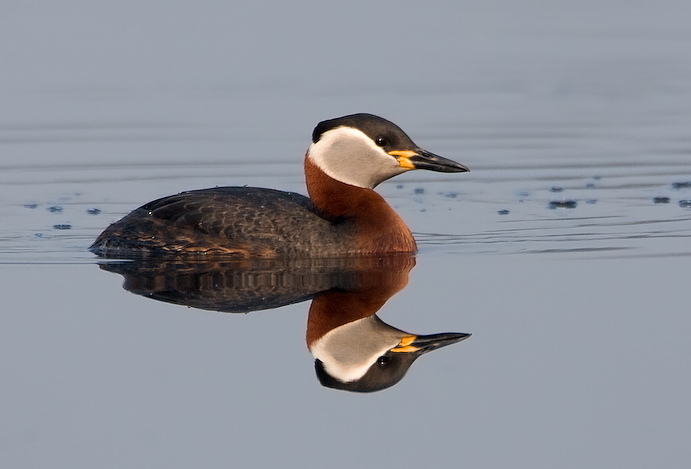
(1). Laira Bridge check the river, a potápka červenokrká was seen here in January 2025. The Plym Estuary (see separate entry) upriver from here has had some notable national rarities.
(2). The busy Billacombe Road has few birds but from the Paleolithic Woolly Rhinoceros Statue, things should start to get better.
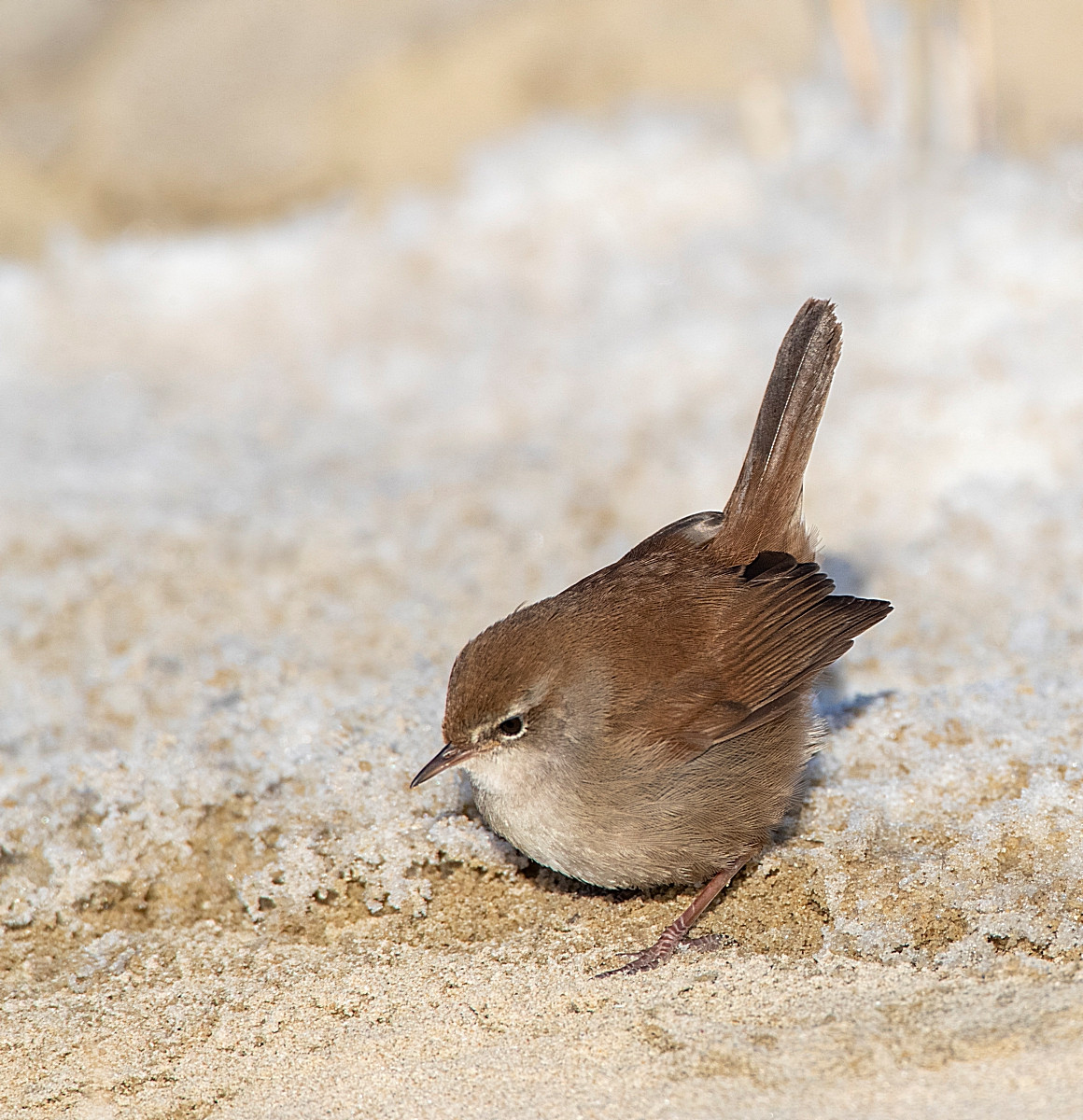
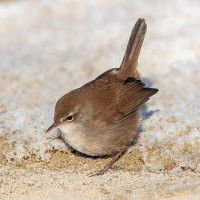
(3). In the trees, shrubs and scrubland here listen out for the scratchy 'who am I, who am I, who am I, cetti, cetti cetti' calls of cetia západná. penica čiernohlavá and kolibiarik čipčavý frequently overwinter.
(4). stehlík obyčajný, pinka obyčajná, sýkorka belasá, sýkorka veľká, mlynárka dlhochvostá, vrchárka modrá, drozd čierny, stehlík konôpka and several other passerines can be found here, listen out for the 'kee-kee-kee-kee-kee' call of ďateľ veľký and the 'yaffel' of žlna zelená.
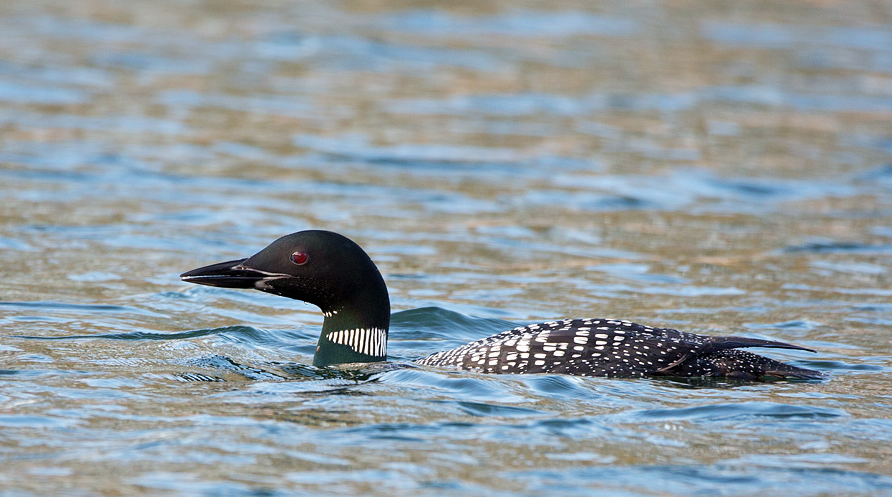
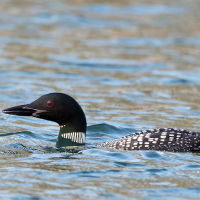
(5). Hooe Lake Swing Bridge, at high tide potáplica veľká, norec tenkozobý, alka vrúbkozobá and rybár sivý are often seen here.
Details
Access
Laira Bridge to Hooe Lake Swing Bridge is in the Eastern part of the City of Plymouth. The A379 (Plymouth to Aveton Gifford) main road passes very near the Laira Bridge on street parking spot. Press P on map for directions.
 ) to insert bird names in your own language. The birdnames will automatically be translated for other users!