Description
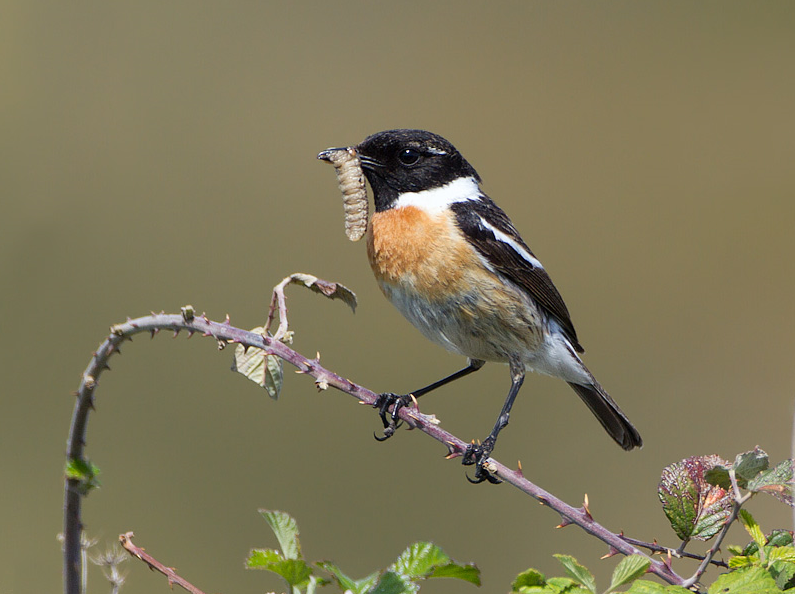
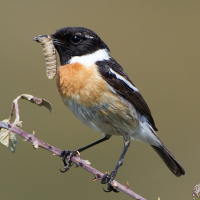
Winterton Dunes is an extensive coastal acidic heathland featuring a variety of scrubs and trees spread throughout. For birders, the site is a fantastic place to find rare and scarce migrant birds, as well as enjoy some of the spectacular wildlife of the east Norfolk coast. It can be hard work at times, but persistance pays off at this site. Throughout the year, you could find pŕhľaviar čiernohlavý and strnádka obyčajná in the dunes, alongside the usual common garden birds. Raptors frequent the fields inland of the dunes system including kaňa močiarna and sokol myšiar (pustovka).
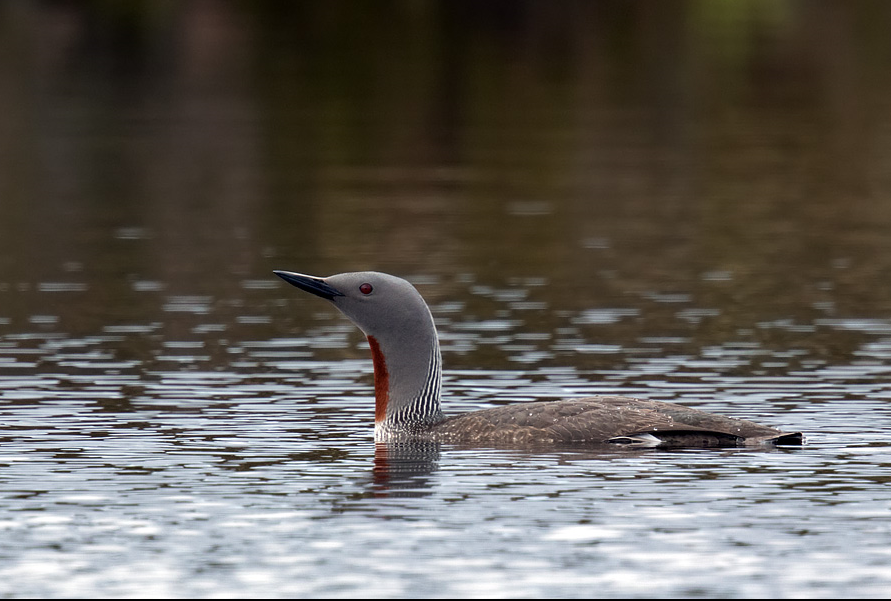
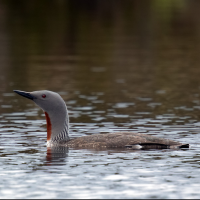
In the winter, a sea-watch may reveal large numbers of potáplica malá as well as turpan čierny and flocks of passing bernikľa tmavá. You may be lucky and encounter a myšiarka močiarna or kaňa sivá hunting the dunes. The large Grey Seal colony here attracts gulls, and alongside the expected čajka striebristá and čajka morská groups, you may be lucky and find a čajka bielohlavá or even čajka bielokrídla or čajka bledá! Expect to see waders like kamenár strakatý and pobrežník belavý on the beach. The rocky groynes may hold pobrežník morský also. Look out for snehuľka severská on the beach too!
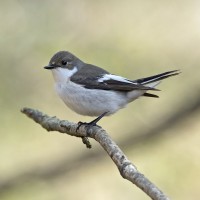
Spring passage can be hit a miss in east Norfolk, but you would normally expect to see a žľtochvost domový and a few skaliarik sivý to get the season going (from March onwards). Following this will be penica čiernohlavá, kolibiarik čipčavý, kolibiarik spevavý, kolibiarik spevavý and more. In April onwards, there may be drozd kolohrivec, muchárik čiernohlavý and žltochvost hôrny to be found. Following a good spell of easterly winds, you may be on for something rarer. Typcial spring scarcities (typcially May and June) might include strakoš obyčajný, trsteniarik obyčajný, slávik modrák, sedmihlások hájový, pastier ružový and even včelárik zlatý!
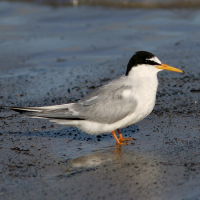
Summer still offers migration opportunites, as the waders continue to move throughout July and August. There is a colony of rybár malý on the beach some years, but view them from a respectable distance. It is not impossible to find a čorík čierny or even a rybár štíhlozobý in the colony if you scan the colony carefully.
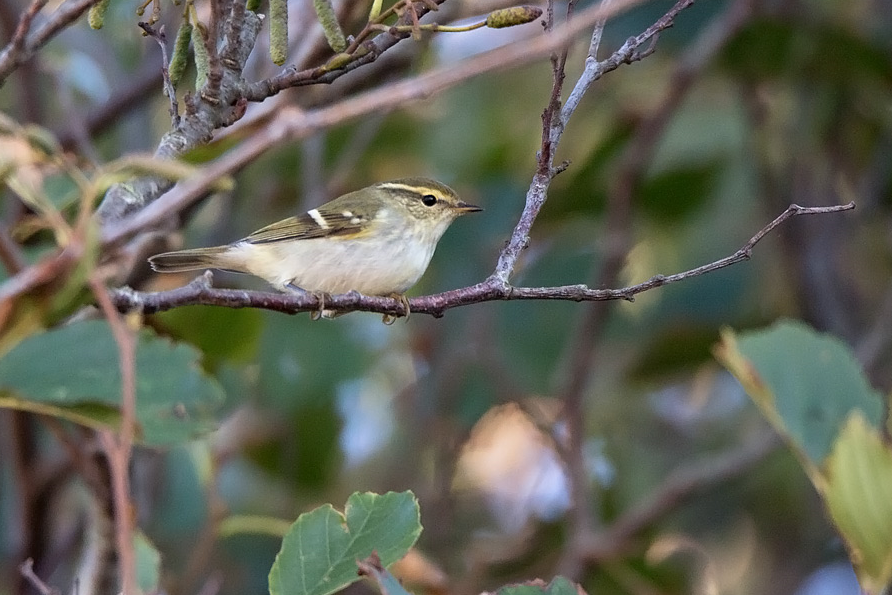
Autumn passage can be excellent here, and in the early part of the season (August to September), you might be lucky and find the likes of krutohlav hnedý, sedmihlások hájový or kolibiarik sivozelený. A good passage of muchárik čiernohlavý is expected, along with smaller numbers of žltochvost hôrny. As the autumn progresses (September to November), the opportunities to find kolibiarik žltkastotemenný, kolibiarik králikovitý, penica jarabá, muchárik malý and other seasonal delights increases, especially after easterly winds. Common migrants will also be flooding back in like drozd červenkavý, králik zlatohlavý, pinka obyčajná and sluka hôrna.
Sea-watching here is best in northerly or easterly winds, and these can bring sula biela, čajka trojprstá and turpan čierny closer in shore. An experienced sea-watcher may be able to find divers, grebes, auks and up to four species of Skua! Stormy conditions in late autumn can bring lyskonoh ploskozobý, víchrovnícek severský and large numbers of čajka malá. You never know what you might see, so always worth bringing a scope.
Details
Access
Park in the beach car park at Winterton Village, and you can easily explore the dunes from here.
Terrain and Habitat
Sea , Dunes , Scattered trees and bushes , Moors/heathlandConditions
Flat , Dry , Open landscape , DustyCircular trail
YesIs a telescope useful?
Can be usefulGood birding season
All year roundBest time to visit
Spring migration , Autumn migrationRoute
Wide pathDifficulty walking trail
Average walkAccessible by
FootBirdwatching hide / platform
NoExtra info
This site is a popular dog walking area, and also experiences high numbers of beach-goers in the summer. You can get away from the crowds by heading further away from the village itself.
 ) to insert bird names in your own language. The birdnames will automatically be translated for other users!