.jpg)
Description
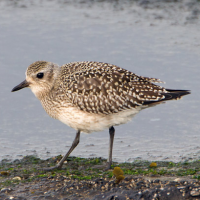
Busör is one of the west coast's best locations for birdwatching, especially in the spring, but the birding can be rewarding all year round. In spring the bird migration can start as early as the end of February with geese and swans, but usually does not start in earnest until the gaga migration (with occasional pisana gaga each spring) around March 20. It continues with crna raca, grebes and skuas. At the end of April, terns and rdečegrli slapnik start migrating with occasional rumenokljuni slapnik and lopatasta govnačka being present. In May, Arctic waders such as spremenljivi prodnik, progastorepi kljunač, črna prosenka and veliki prodnik can also pass.
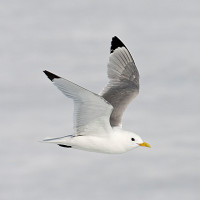
The arrival of summer means a more quiet time, with the exception of strong westerly winds that can bring a little bit of everything in the way of seabirds. Autumn migration already starts in mid-July, when the waders start to appear, including spremenljivi prodnik, srpokljuni prodnik, mali prodnik, Temminckov prodnik and sometimes some ploskokljunec. With fresh winds from the west, you can have a nice migration of seabirds, including auks, triprsti galeb, strmoglavec, ledni viharnik, skuas, mali galeb and sometimes even viharni strakoš. The migration often passes close to land.
In winter with fresh winds from the west, you can have a nice stretch of mainly auks and triprsti galeb. vriskarica is now seen annually on the beach meadows, as are other pipits and snežni strnad. morski prodnik and vranjek are occasionally seen on the reef. In mild winters, kozica, puklež and sloka can also overwinter.
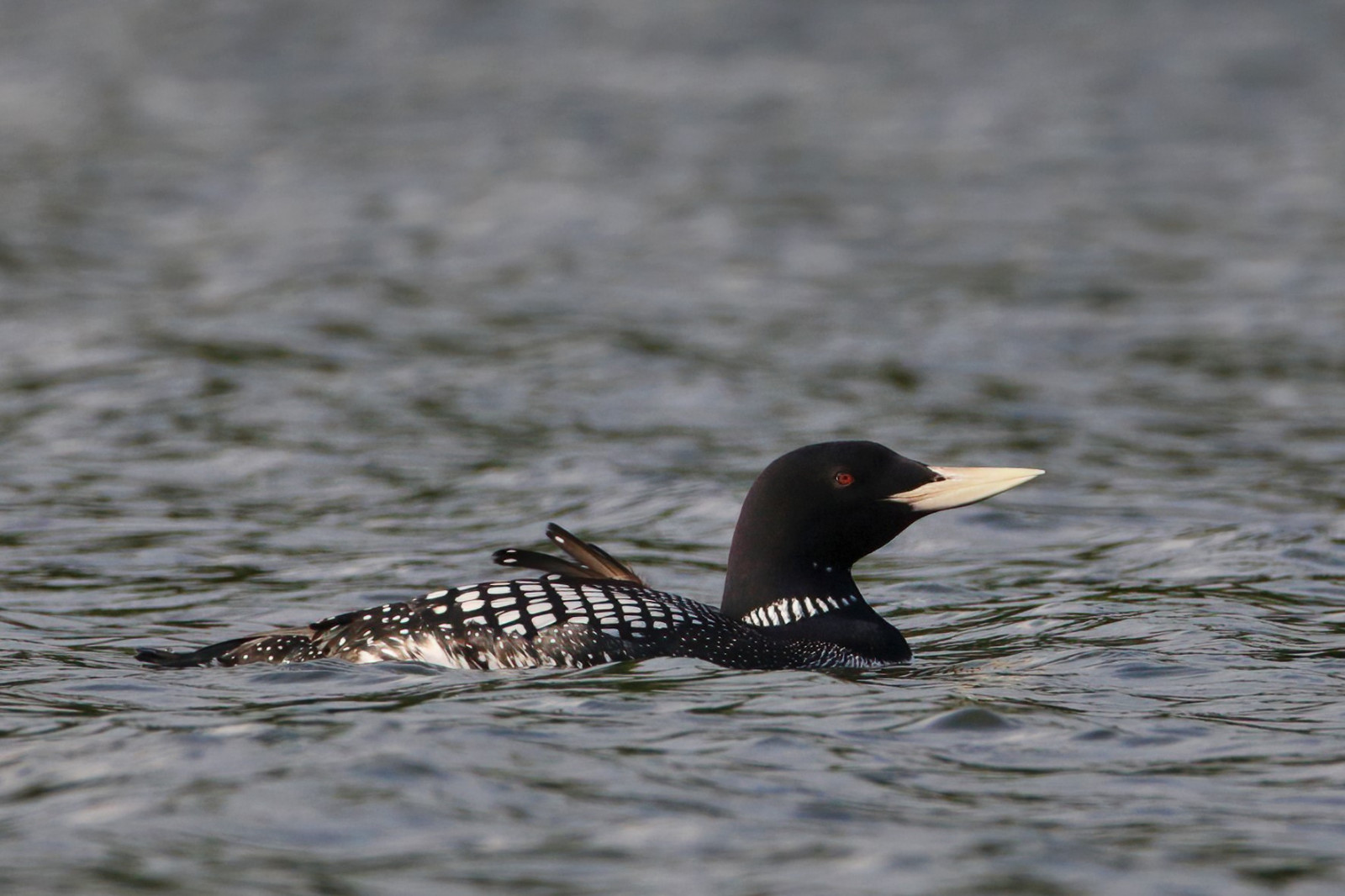
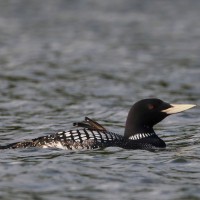
Rare birds that have been observed include rdečevrata gos, ruska gaga, Black Scoter, očalarka, ledni slapnik, rumenokljuni viharnik, strakoš, mala bela caplja, velika bela čaplja, ameriška prosenka, prekomorski prodnik, ploskokljuni liskonožec, ledni galeb, rumenonogi galeb, rumenonogi galeb, lastovičji galeb, rožnati galeb, črnonoga čigra, beloperuta čigra, debelokljuna lumna (several finds), divja grlica, velika uharica, prosnik, iberska listnica, rdečeglavi kraljiček, grilček, etc.
Breeding birds include rdečenogi martinec, mali detel, zelena žolna and vrbji kova ek.
Tip: Take a walk in the coastal forest inside the cape. Especially after nights with good small bird migration, as there can be a lot of birds there.
Details
Access
Busör is located northwest of Halmstad. From Halmstad, drive along the coastal road north towards Steninge. 1.5 kilometres after Särdals kvarn, turn left onto Lundslättsvägen. After a few hundred metres you will reach a four-way junction where you continue straight ahead on the gravel road. When the forest opens up and the sea is visible, there is a parking lot on the right. Press P on the map for directions. Go past the old lifeguard station and out to the boathouses on the headland. The boathouses provide good shelter from most wind directions.
Please note: Be considerate of the owners of the boathouses. Toilets (outdoor toilets) are located at the lifeguard station.
 ) to insert bird names in your own language. The birdnames will automatically be translated for other users!