Description
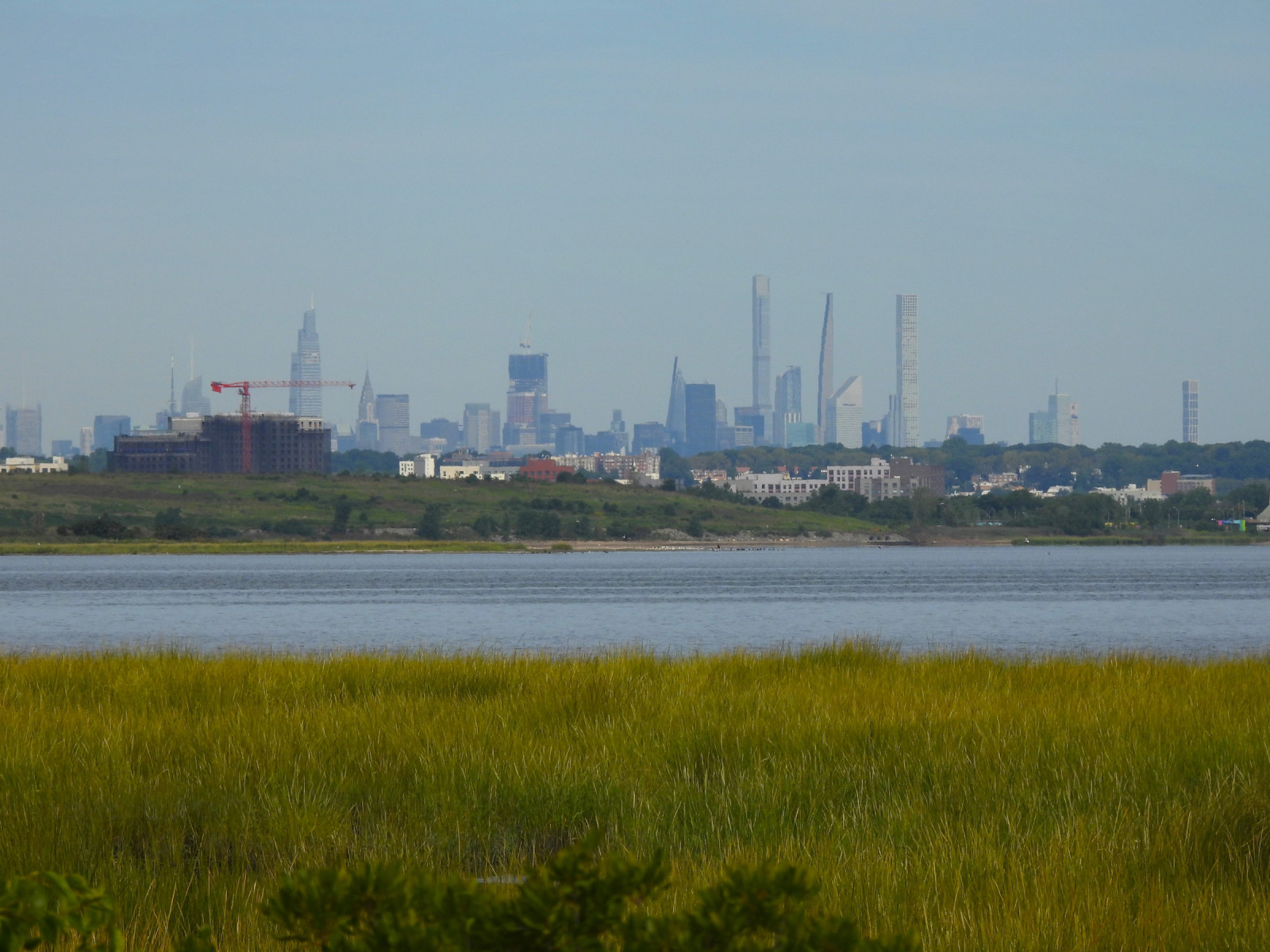
Jamaica Bay National Wildlife Refuge covers 12,600 acres of open bay, saltmarsh, mudflats, islands, upland field and woods and two man-made brackish ponds. It is one of the largest bird habitats in the northeastern United States and is a great place to observe the seasonal bird migration as well as resident species. 332 bird species have been sighted at the refuge over the last 25 years. Flat terrain, variety of habitat, seasonal influxes of birds. East pond access can be wet. Views of the Manhattan skyline.
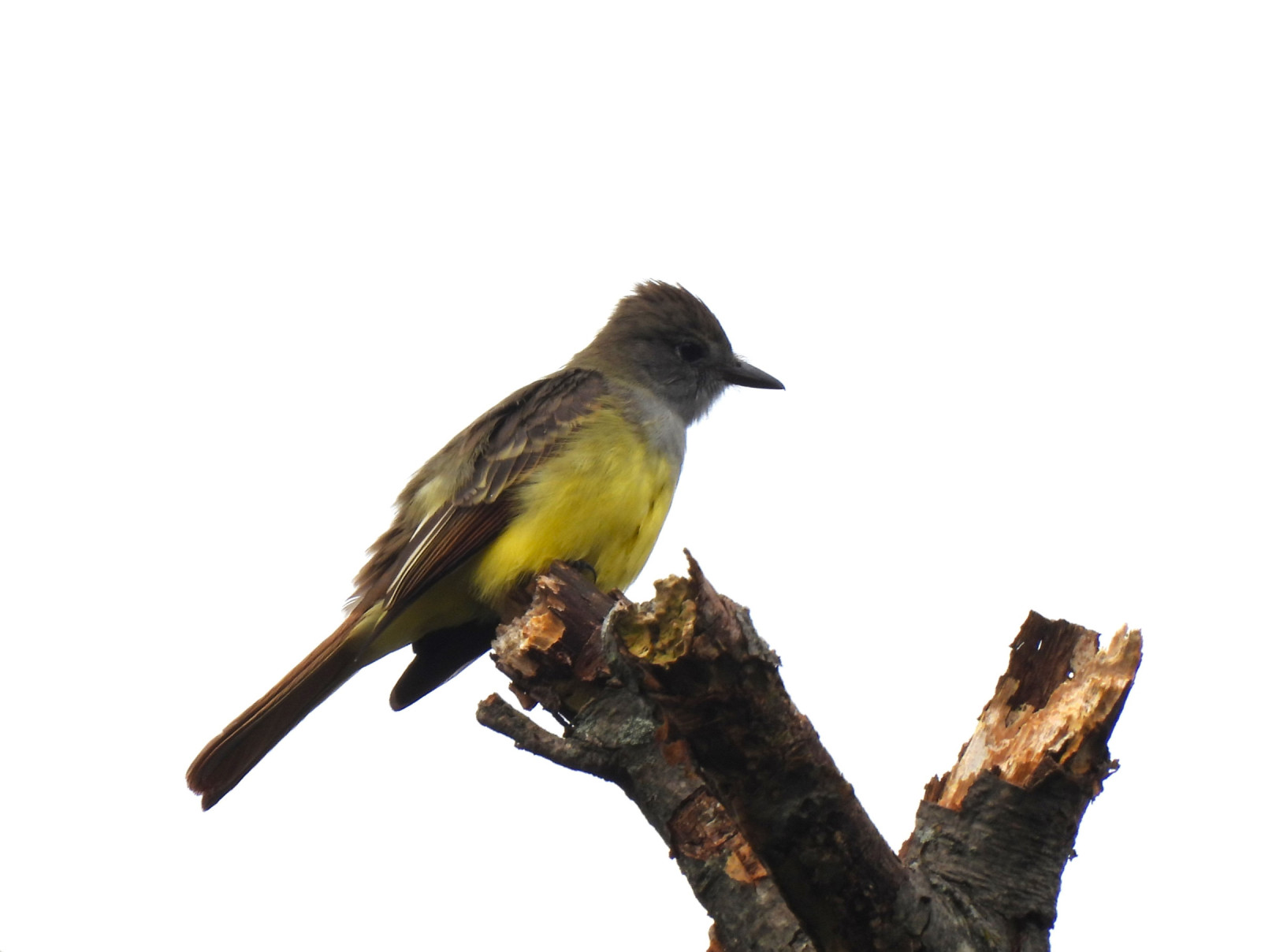
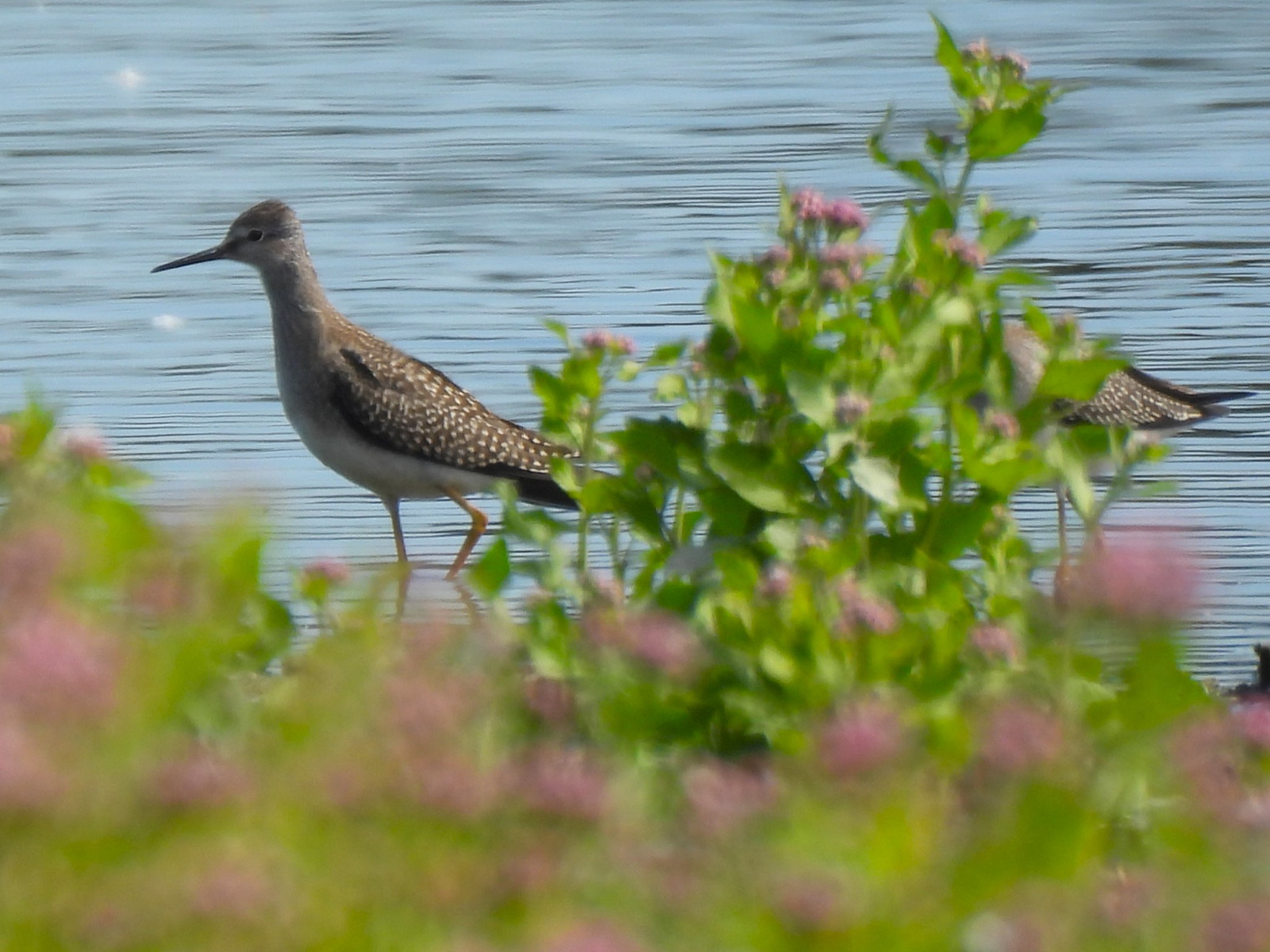
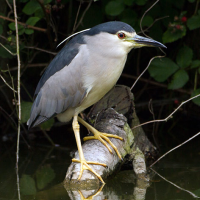
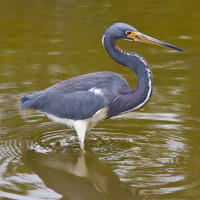
Birding is excellent year round. In spring Jamaica Bay is visited by numerous shorebirds. You can also spot flycatchers, cuckoos, warblers, and tanagers. From mid-March through May courting American Woodcock can be seen. In summer many wading birds and terns can still be observed. Among the birds that nest in the area are Willet, Clapper Rail, Osprey, Yellow-crowned Night Heron, Tricolored Heron, Glossy Ibis, Forster's Tern, Ruby-throated Hummingbird, Willow Flycatcher, Boat-tailed Grackle, Saltmarsh Sparrow and Brown Thrasher. Shorebird migration starting in July.
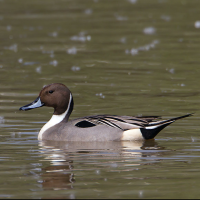
Fall migration is also good with sometimes flocks of Cedar Waxwing, and many shorebirds, wading birds, raptors, flycatchers, sparrows and other songbirds. In winter you can find wintering waterfowl including Snow Goose and many dabbling and diving waterfowl species. But also birds of prey such as Northern Harrier.
Details
Access
Jamaica Bay National Wildlife Refuge lies entirely within the boundaries of New York City and is located immediately west of John F. Kennedy International Airport. Driving directions from North, East, and West: Belt Parkway to Exit 17 S, Cross Bay Boulevard. Proceed south on Cross Bay Boulevard across the Joseph Addabbo - North Channel Bridge. The Visitor's Center is approximately 1.5 miles past the bridge on the right. Turn right at traffic light for Visitor's Center parking. Click on the P in the map for directions.
The parking at the Visitor Center is open 7 days, 6am - 9pm. Parking in the Visitor Center lot is free. The Visitor Center is open Friday through Monday 10am to 4pm. Subway access: Take the Rockaway Bound A train to Broad Channel Station. Walk three short blocks along Noel Road from the Broad Channel stop to Cross Bay Boulevard. There's a bus station immediately to the right; take any arriving bus one stop and it drops you across Cross Bay from the main entrance to the refuge. To return to the A train, same bus in reverse -- the stop is immediately outside the visitor center, on Cross Bay.
Note: it is essential to bring lots of water, especially in hot weather. There's very little shade and heatstroke is a serious danger. Bring food if you're planning to make a day of it, as there's nowhere to get any. Mosquito repellent is also a must in summer.
Terrain and Habitat
Wetland , Sea , Pond , Mud flats , Scattered trees and bushesConditions
Flat , Wet , No shadowCircular trail
YesIs a telescope useful?
Can be usefulGood birding season
All year roundBest time to visit
Spring migration , Autumn migration , WinterRoute
Wide path , Narrow trailDifficulty walking trail
Average walkAccessible by
FootBirdwatching hide / platform
YesExtra info
The refuge is best seen on foot. The main trail to the West Pond departs just from the back entrance to the Visitor Center. Take the gravel trail that encircles the West Pond, following it in a clockwise direction. The trail is about 1 ½ miles and takes about an hour and a half to complete. Allow 4-6 hours to see the whole area. If you plan to go to the East Pond please have footwear that can get muddy, because the East Pond access can require shallow wading.
If you look around from the bus stop across from the main entrance, you'll see paths leading into another part of the refuge, heavily wooded; some of the paths lead to mud flats. There are a couple of blinds here, though they take some finding.
The visitor center is very helpful but it's only open a couple of days a week. The only toilets are in the visitor center. Anyone with a non-penile configuration may find it useful to bring a She-Wee or other stand-up urination device, plus toilet paper (and pack out what you pack in, obviously).
 ) to insert bird names in your own language. The birdnames will automatically be translated for other users!