Description
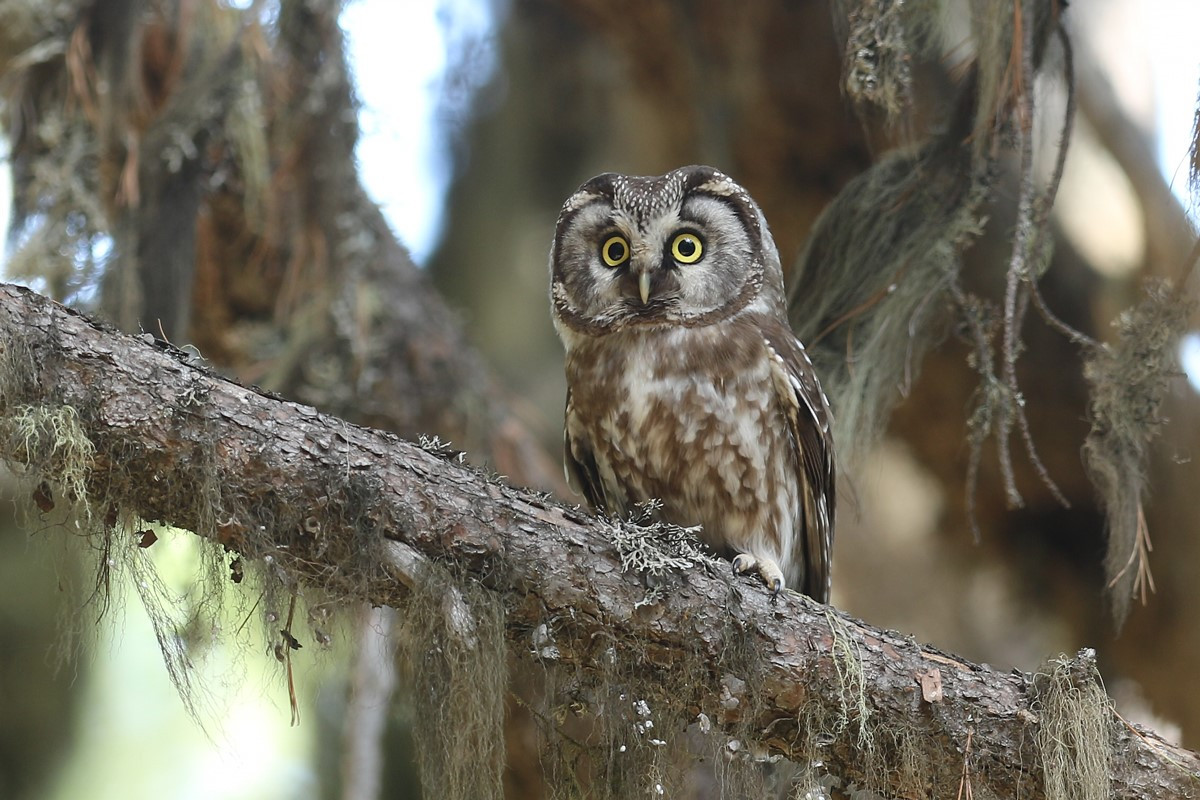
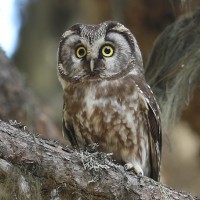
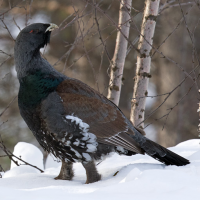
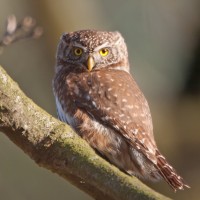
Val de la Mare is a small valley between the high peaks of the Stelvio National Park. The valley offers a remarkable variety in terms of habitat and allows several different birding possibilities. The Noce stream flows on the bottom of the valley, here is quite simple to spot Vodenkos foraging in its typical habitat. Old and majestic spruce woods grow on the slopes of the valley. This is a really valuable place for the Veliki tetreb and the Crna žuna. The presence of this woodpecker allows interesting number of specimens of Gaćasta kukumavka. Moreover, in this area Mala sova is also not so rare and with a little bit of luck it can be easily spotted also during the day.
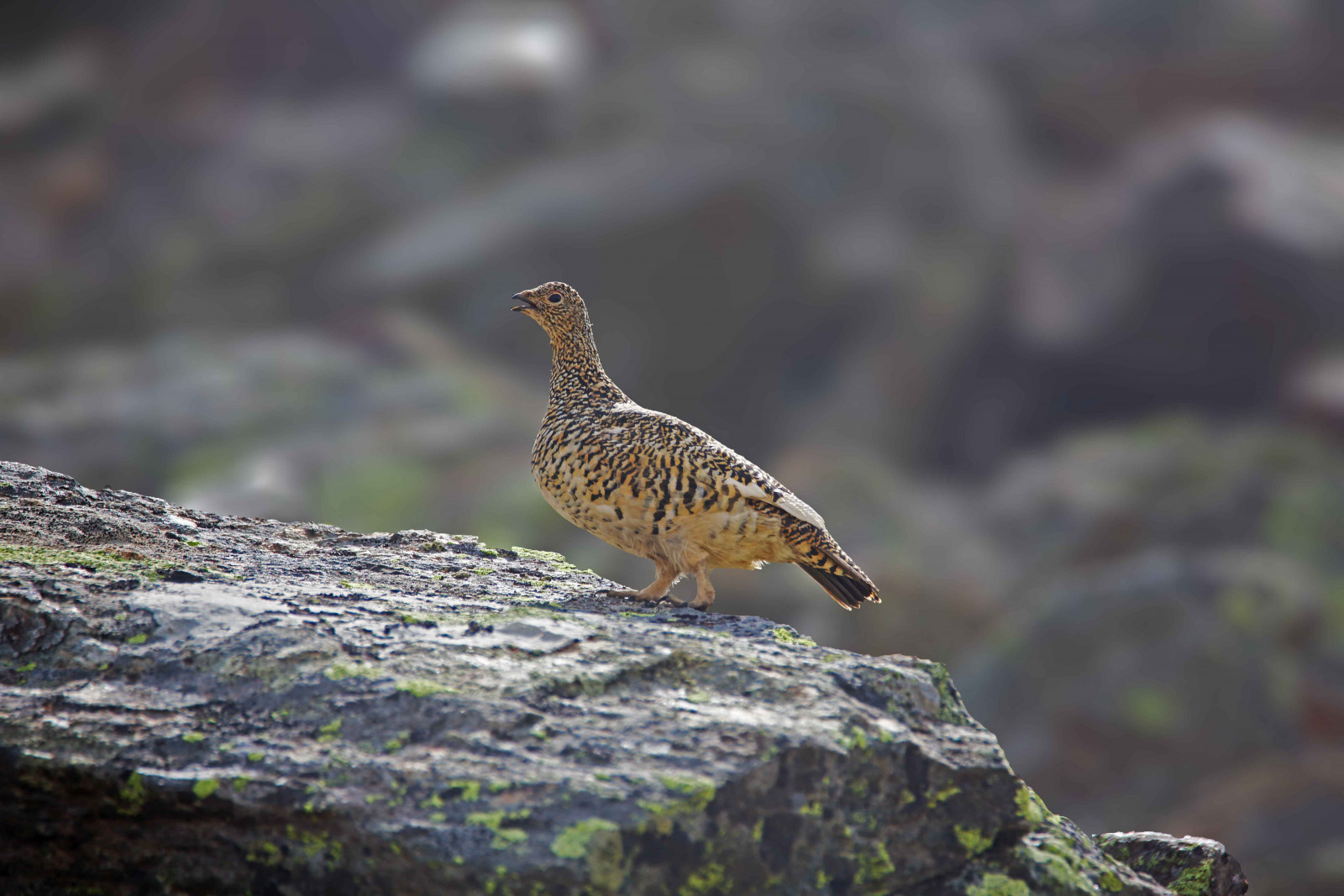
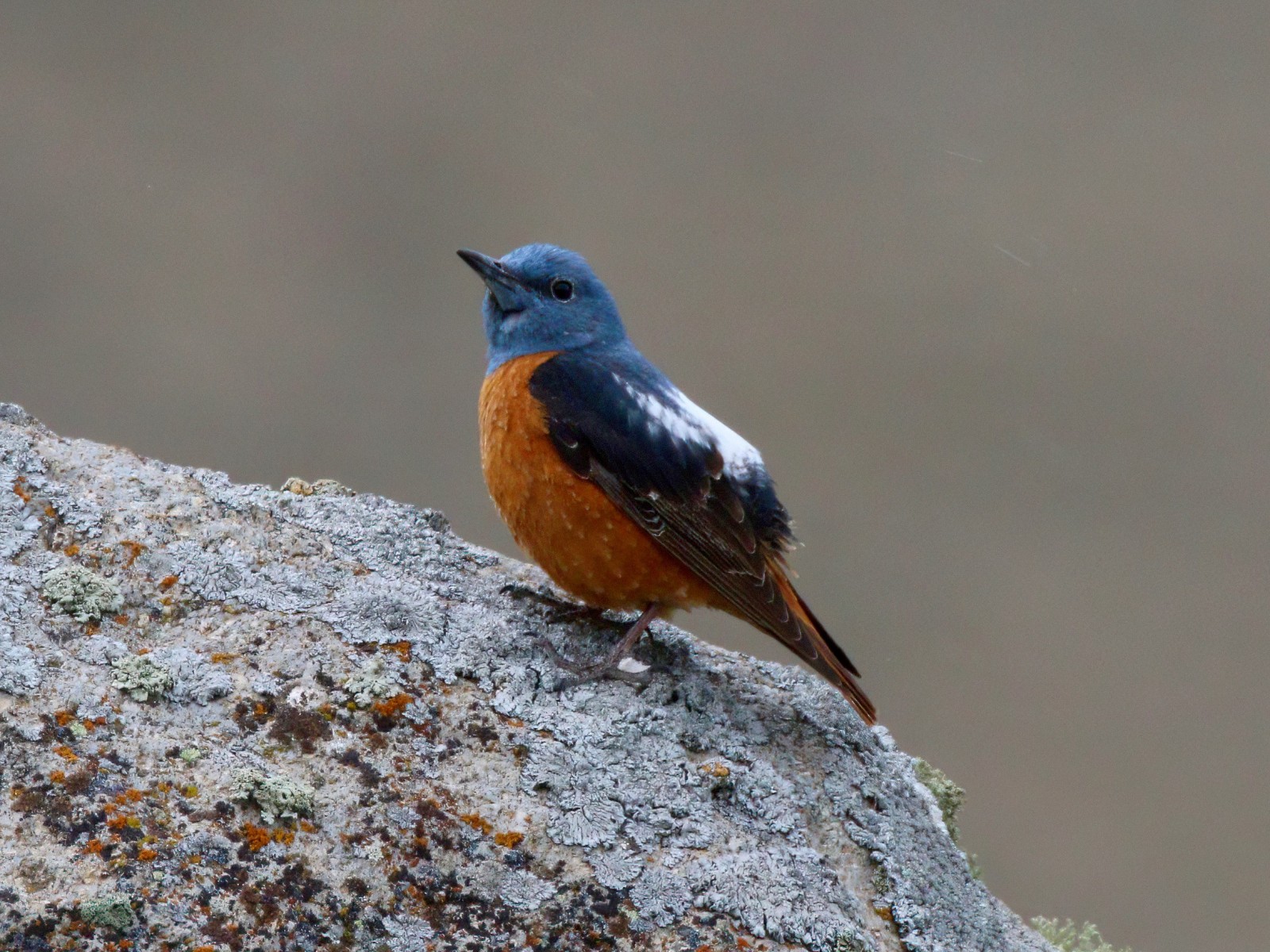
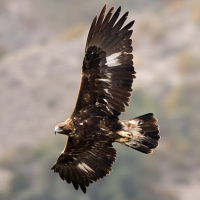
Lešnjikara is probably the most common bird you are going to observe. At a certain point of elevation, the spruce wood makes place for high alpine meadows which offers the possibility in late spring and summer to spot a lot of migratory insectivores such as Crna crvenrepka, Obična travarka, Obična beloguza and Kos kamenjar. Further in elevation, the area is really rocky with some snow deposits here and there. Here it is quite common to see Alpska snežnica and the Puzgavac is also present. Up in the sky Žutokljuna galica often mob Suri orao. With a little bit of luck you will be able to spot the largest bird of the alps, the Bradan which is still considered a vagrant species in this particular part of the national park. Other interesting species are Gavran, Krstokljun, Brezova juričica, Ćubasta senica, Zimovka and Ruševac.
_________________________
Italiano: Val de la Mare è una piccola valle tra le alte vette del Parco Nazionale dello Stelvio. La valle offre una notevole varietà di habitat e consente diverse possibilità di birdwatching. Il torrente Noce scorre sul fondovalle, qui è abbastanza semplice individuare il Vodenkos alla ricerca di cibo nel suo tipico habitat. Sulle pendici della valle crescono vecchi e maestosi boschi di abeti rossi. Questo è il posto ideale per il Veliki tetreb e il Crna žuna. La presenza di questo picchio consente di avere un numero interessante di esemplari di Gaćasta kukumavka. Inoltre, in questa zona la Mala sova non è poi così rara e con un po' di fortuna può essere avvistata facilmente anche di giorno.
La Lešnjikara è probabilmente l'uccello più comune che puoi osservare. Ad una certa quota, l'abete rosso lascia il posto a praterie alpine di alta quota che offrono la possibilità, nella tarda primavera e in estate, di avvistare numerosi insettivori migratori come il Crna crvenrepka, lo Obična travarka, il Obična beloguza e il Kos kamenjar. Più in quota, la zona è molto rocciosa con qualche deposito di neve qua e là. Qui è abbastanza comune vedere la Alpska snežnica ed è presente anche il Puzgavac. Nel cielo il Žutokljuna galica e l'Suri orao. Con un po' di fortuna si può avvistare il più grande uccello delle Alpi, il Bradan che in questa particolare parte del parco nazionale è ancora considerato una specie vagante. Altre specie interessanti sono il Gavran, il Krstokljun, l'Brezova juričica, la Ćubasta senica, il Zimovka e il Ruševac.
Details
Access
The valley is accessible by car following the directions. In order to reach the place there is only one road (paved) that is narrow. In winter the road can be closed due to the snow. The best way to visit this beautiful valley is by foot. There are many tracks and routes and you can hike on the slopes. I suggest to use the malga Mare dedicated park (in August it can cost up to 5 euros) and then follow the indications for the artificial lake of Caresèr. The circular walk indicated on the map is 13,5 km long.
_________________________
Italiano: La valle è raggiungibile in auto seguendo le indicazioni. Per raggiungere il luogo c'è solo una strada (asfaltata) che è stretta. In inverno la strada può essere chiusa a causa della neve. Il modo migliore per visitare questa splendida valle è a piedi. Ci sono molti sentieri e percorsi e si possono fare escursioni sui pendii. Consiglio di usare il parcheggio a malga Mare (in agosto può costare fino a 5 euro) e poi seguire le indicazioni per il lago artificiale del Caresèr. Il percorso circolare indicato sulla mappa è lungo 13,5 km.
 ) to insert bird names in your own language. The birdnames will automatically be translated for other users!