Description
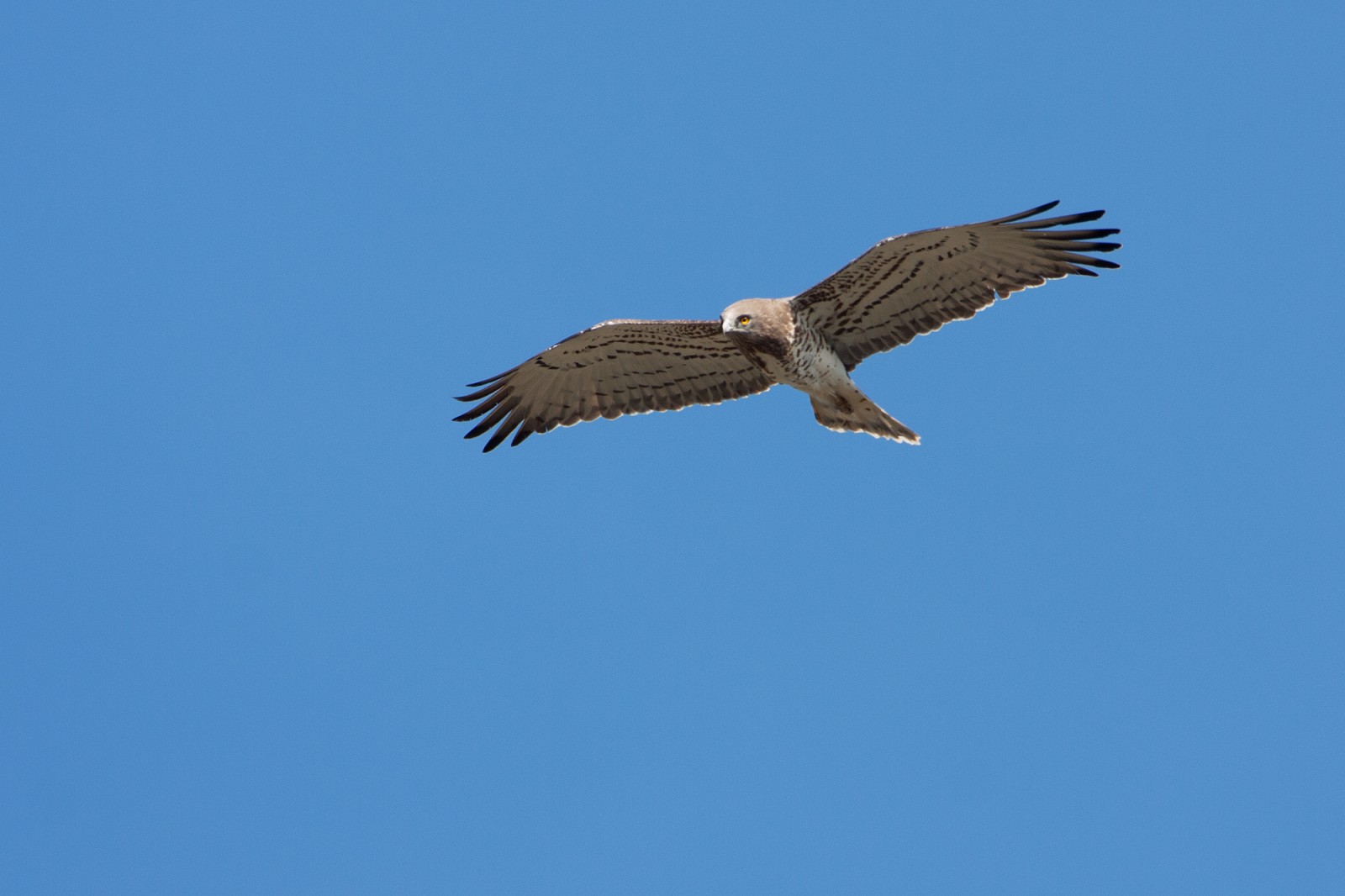
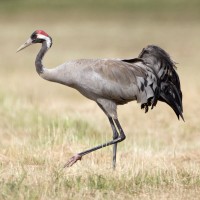
Villa Duchessa di Galliera is a nice spot for the observation of species breeding in broad-leaved forests in the Apennines, as Dugokljuni puzić and Zelena žuna. However, the most interesting species can be observed during migration, especially in spring. Indeed, the park is a raptor migration hotspot: hundreds of Zmijar in March, and of Osičar in May can be observed in one day. During February-March, and October-November, thousands individuals of Ždral can be observed migrating over the park going to or coming from the wintering sites in France and Spain. Also, Pupavac is frequently seen in the open habitats from March to May. In winter, Gorska lasta can be easily seen flying over the gardens at the entrance of the park, often with more than 10 individuals, and in the forest Kraljić, Jelova senica and Siva senica can be observed.
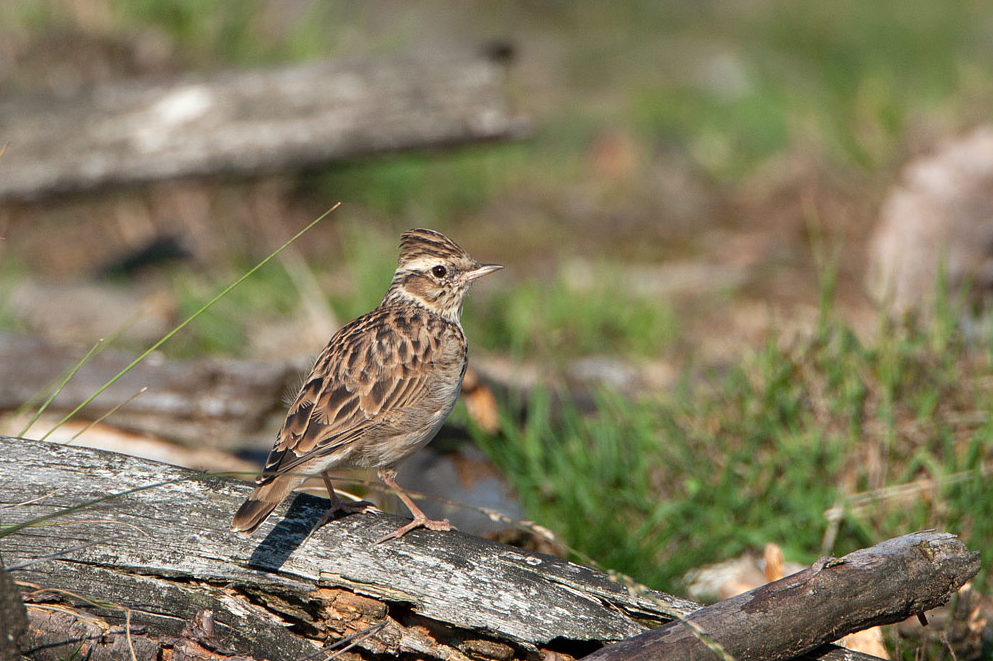
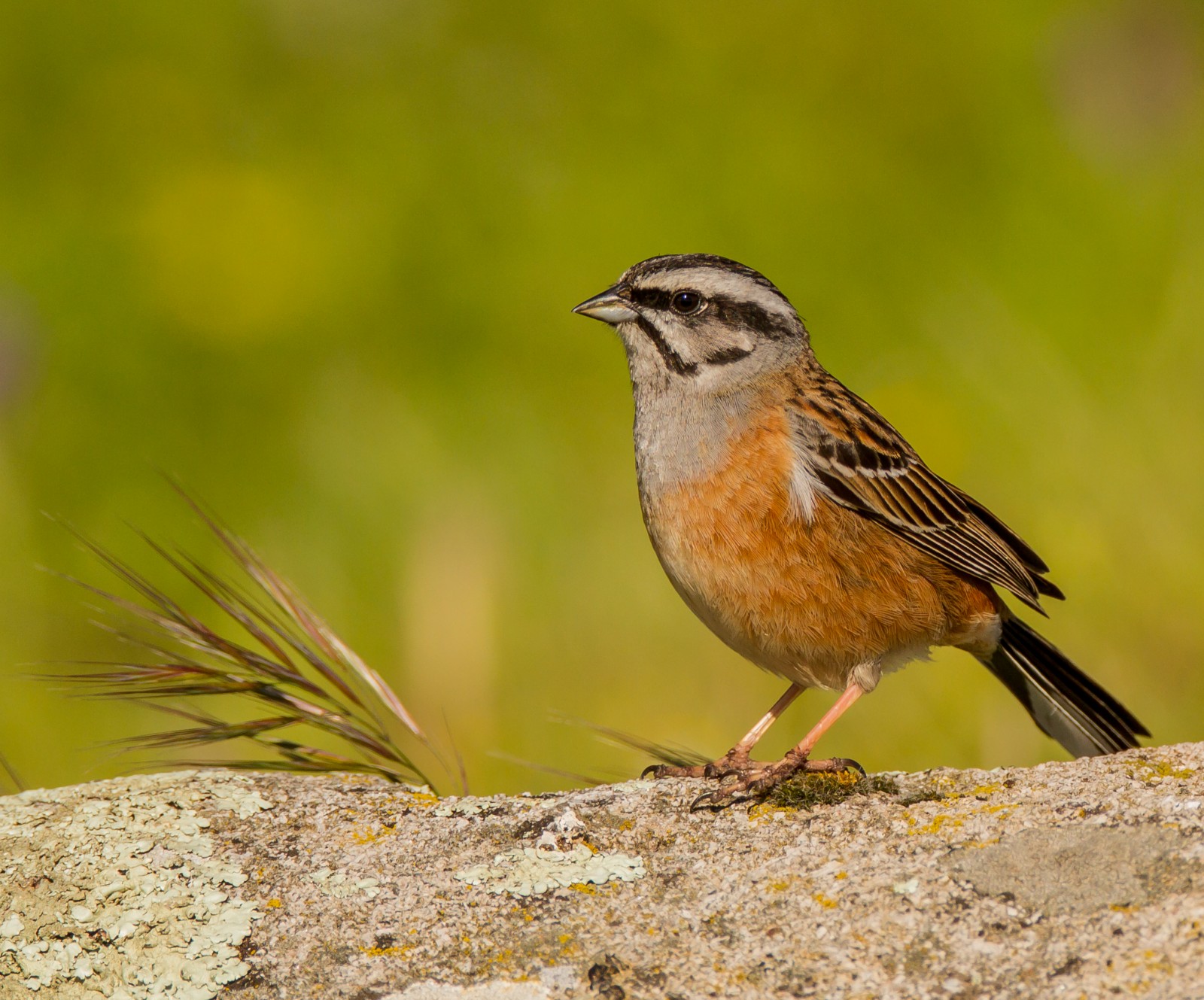
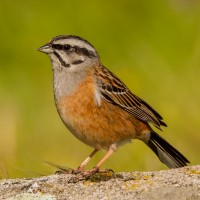
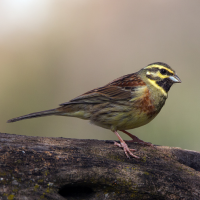
During extreme cold winters, Barska strnadica, Šumska ševa, Crnogrla strnadica and Strnadica kamenjarka have been found in the gardens. Siva čaplja has nested in the forests, but not every year. Among the birds that can be seen all year round in the park, Vatroglavi kraljić is very common both in winter and in spring, Ćubasta senica is found in the sites with pine trees, and a pair of Šumska sova is nesting close to the church on top of the hill.
_________________________
Italiano: Villa Duchessa di Galliera è un luogo ideale per l'osservazione di specie nidificanti nei boschi di latifoglie dell'Appennino, come il Dugokljuni puzić e il Zelena žuna . Tuttavia, le specie più interessanti si possono osservare durante la migrazione, soprattutto in primavera. Il parco è infatti un punto caldo per la migrazione dei rapaci: in un giorno si possono osservare centinaia di Zmijar a marzo e di Osičar a maggio. Nei mesi di febbraio-marzo e ottobre-novembre, migliaia di individui di Ždral possono essere osservati in migrazione sul parco, diretti o provenienti dai siti di svernamento in Francia e Spagna. Anche l' Pupavac è frequentemente osservata negli habitat aperti da marzo a maggio. In inverno, la Gorska lasta può essere facilmente osservata sorvolare i giardini all'ingresso del parco, spesso in gruppi di più di 10 individui, mentre nel bosco si possono osservare la Kraljić, la Jelova senica e la Siva senica.
Durante gli inverni estremamente freddi, nei giardini sono stati trovati Barska strnadica, Šumska ševa, Crnogrla strnadica e Strnadica kamenjarka. L'Siva čaplja ha nidificato nei boschi, ma non tutti gli anni. Tra gli uccelli che si possono osservare tutto l'anno nel parco, il Vatroglavi kraljić è molto comune sia in inverno che in primavera, la Ćubasta senica si trova nei siti con pini e una coppia di Šumska sova nidifica vicino alla chiesa in cima alla collina.
Details
Access
The urban park can be visited only walking, and it is not allowed to enter the park by car or cycling. There are 18 km of paths in the park, but I recommend the route suggested in the map (about 5 km), as it covers all the different habitats. The Villa Duchessa is situated within city limits and therefore on walking distance from public transport: trains and busses. The parking spaces are shown in the map, but is not always easy to find an empty lot. Click on a P in the map to get directions to a parking spot.
_________________________
Italiano: Il parco urbano è visitabile solo a piedi e non è consentito l'accesso in auto o in bicicletta. Ci sono 18 km di sentieri nel parco, ma consiglio il percorso suggerito nella mappa (circa 5 km), poiché copre tutti i diversi habitat. Villa Duchessa si trova all'interno dei confini cittadini ed è quindi raggiungibile a piedi dai mezzi pubblici: treni e autobus. I parcheggi sono indicati nella mappa, ma non è sempre facile trovarne uno libero. Clicca sulla P nella mappa per ottenere le indicazioni stradali per raggiungere un parcheggio.

 ) to insert bird names in your own language. The birdnames will automatically be translated for other users!