Description
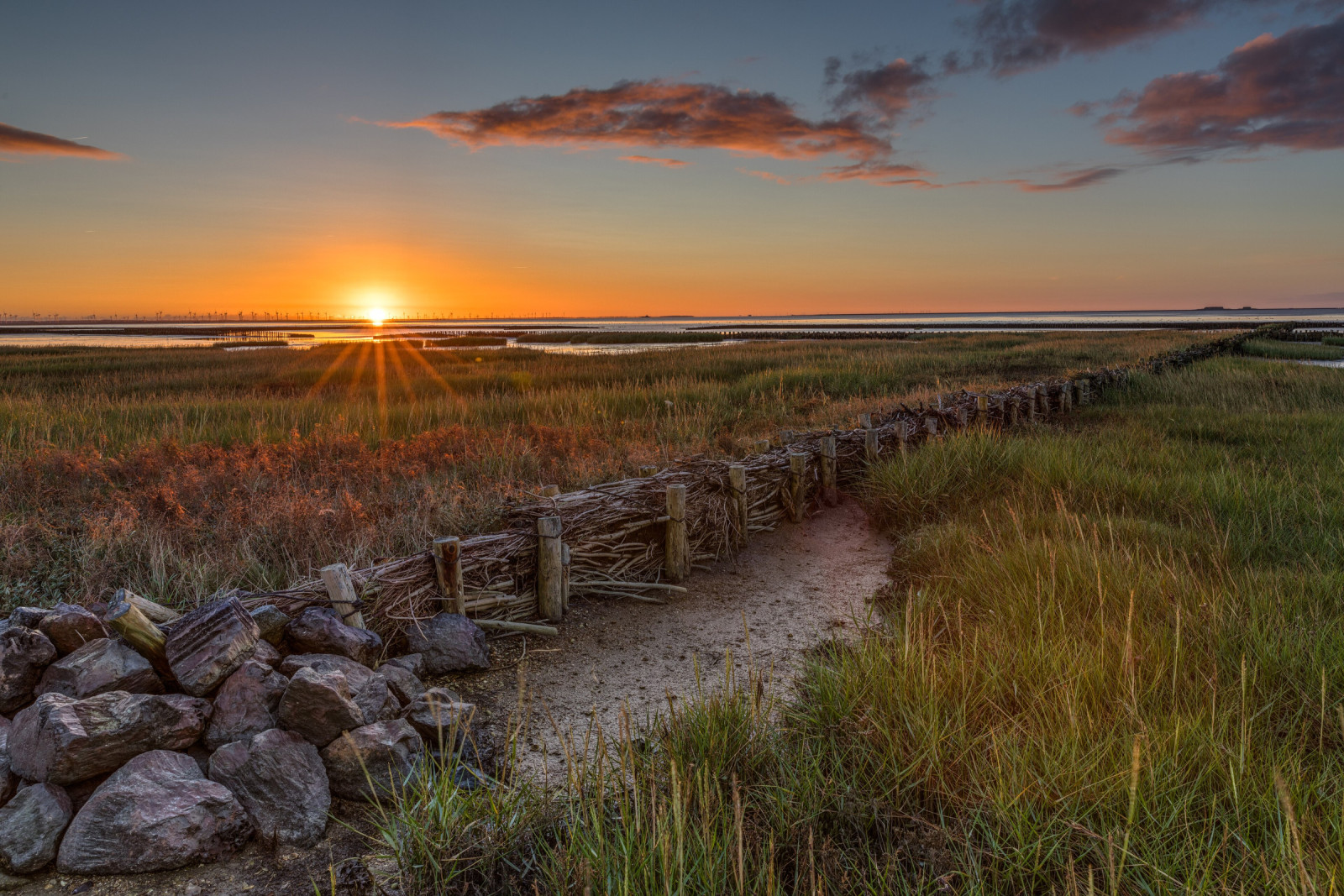
Hallig Oland is one of the smallest of the North Frisian Halligen in the German Wadden Sea. A hallig is a low-lying tidal island without protective dikes. Hallig Oland sits a few kilometres off the Schleswig‑Holstein mainland, surrounded by tidal flats that flood during storm tides. All residents live together on a single raised mound called the Olandwarft (1).
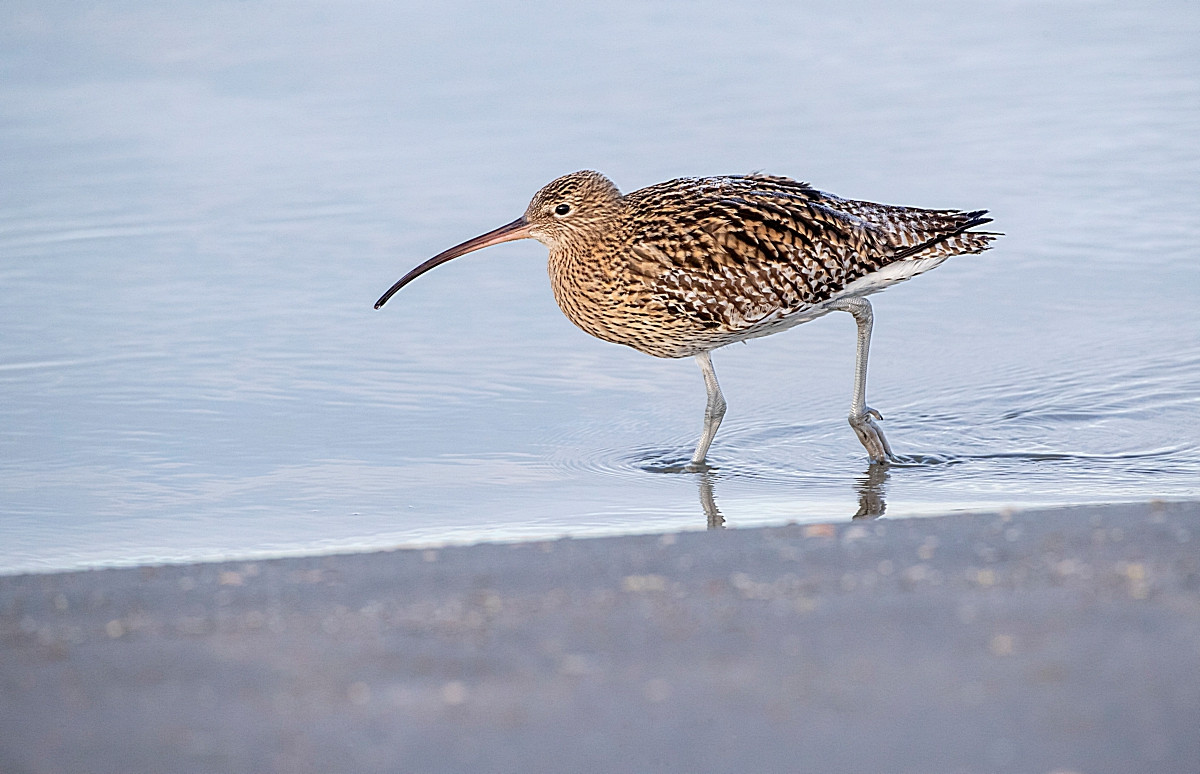
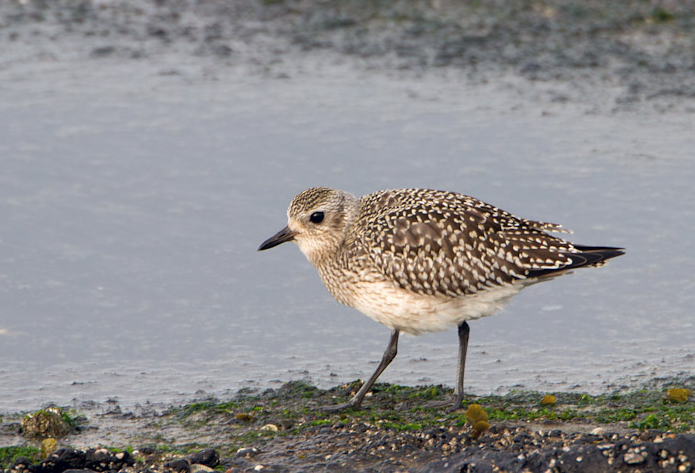
The surrounding Wadden Sea is a UNESCO World Heritage Site, and the island is a resting and feeding ground for thousands of migratory birds. Geese, waders and shorebirds dominate the landscape, especially in spring and autumn, and seals can often be seen on nearby sandbanks. Birds that can be observed depending on the season include Poyrazkuşu, Kızılbacak, Yosun kazi, Suna, Pufla, Kılıçgaga, Gümüş yağmurcun, Kervançulluğu, Kıyı çamurçulluğu, Halkalı cılıbıt, Tasçeviren, Karakarınlı kumkuşu, Kuyrukkakan, Tarlakuşu, and Karagagalı Sumru.
Details
Access
Oland is located between the mainland and the larger Hallig Langeneß, about 5 km off the Schleswig‑Holstein mainland. Most visitors start in Dagebüll or Schlüttsiel, the two main gateways to the North Frisian Halligen. You cannot simply drive there. The only physical connection is a narrow tidal causeway with a tiny rail track, used exclusively by residents and supply services. Visitors are not allowed to use it.
Visitors typically arrive by boat or join guided mudflat walks during low tide. Boats run seasonally, usually from Schlüttsiel (see link below), sometimes from Hallig Hooge or Langeneß.
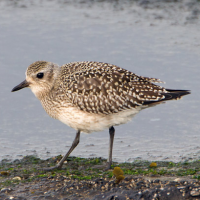
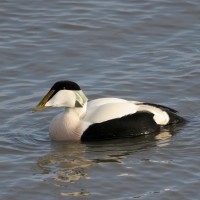
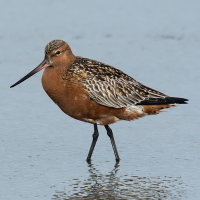
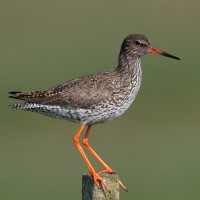
 ) to insert bird names in your own language. The birdnames will automatically be translated for other users!