Description
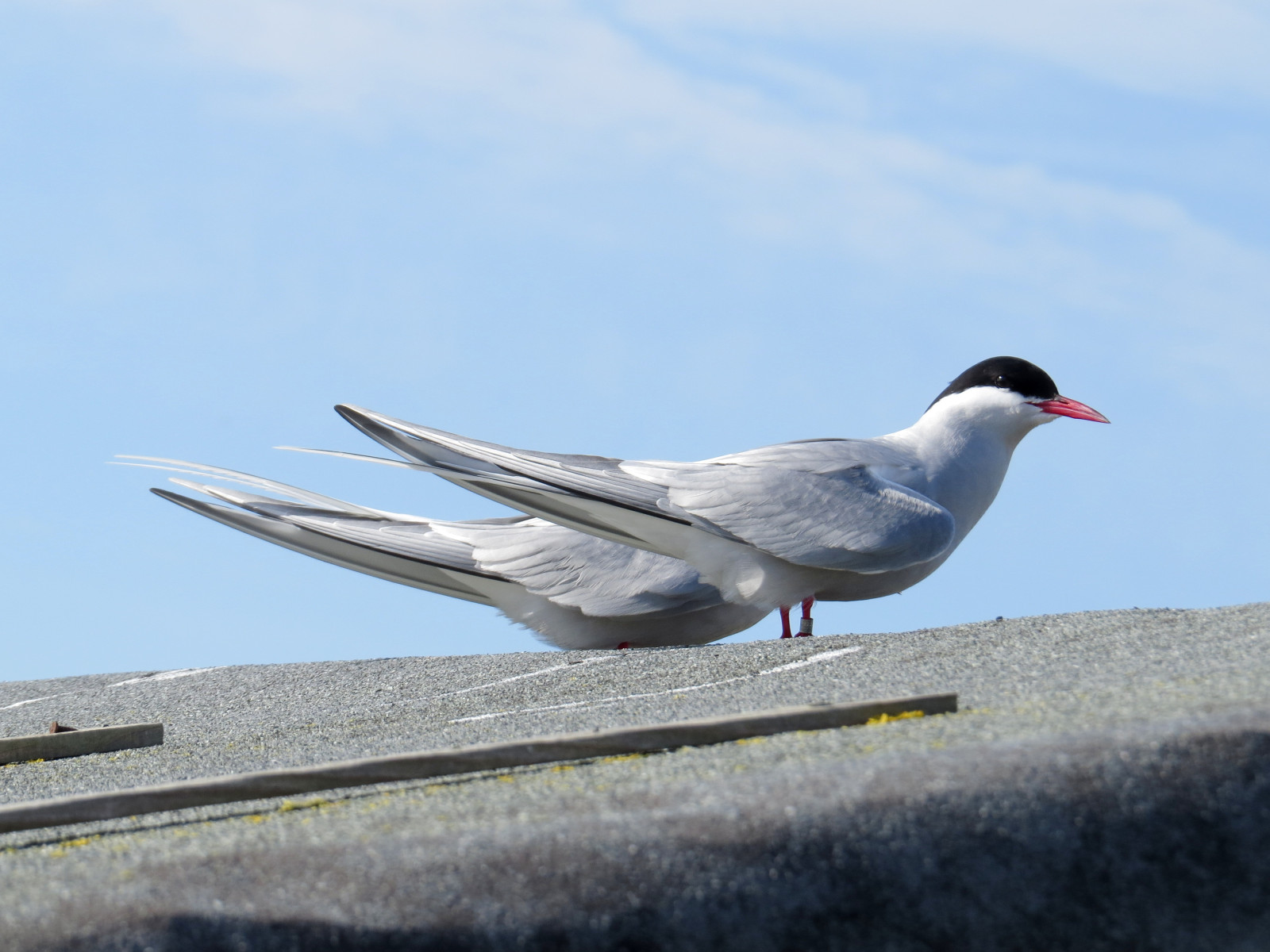
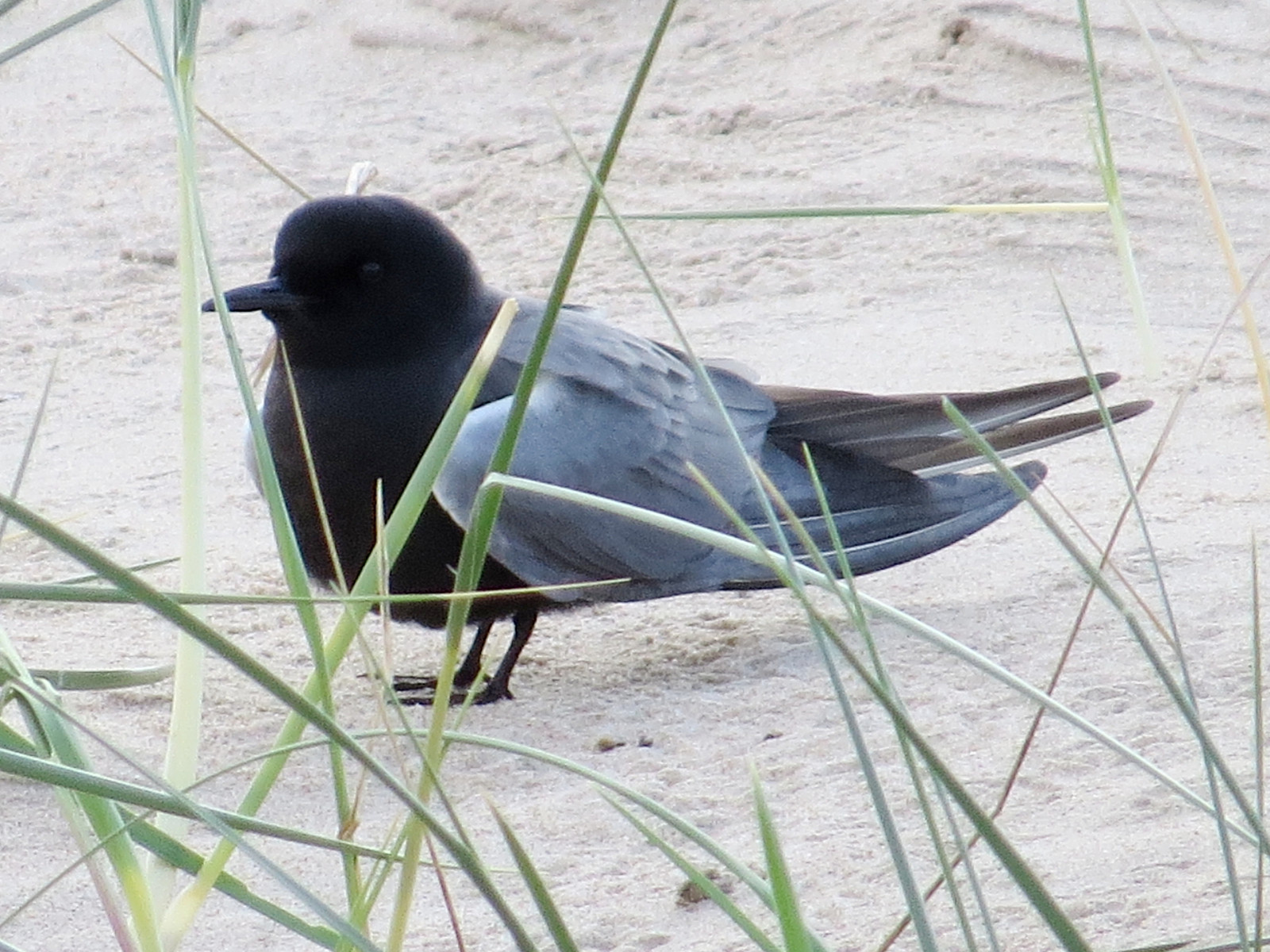
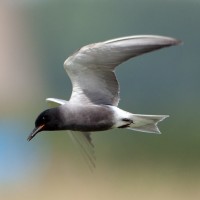
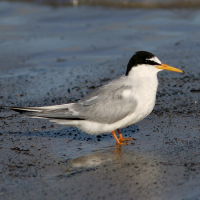
The Long Nanny is notable for its important tern colony on the beach, and for waders using the estuary. In recent years, 1,000-2,000 pairs of Kutup sumrusu and 30-40 pairs of Küçük sumru have bred, and since 2020, a single Kara sumru of the American subspecies 'Chlidonias niger surinamensis' has spent its summers at the colony, attracting considerable interest; it has returned in 2025. Pembe Sumru and Karagagalı Sumru also visit the colony regularly, but do not breed.
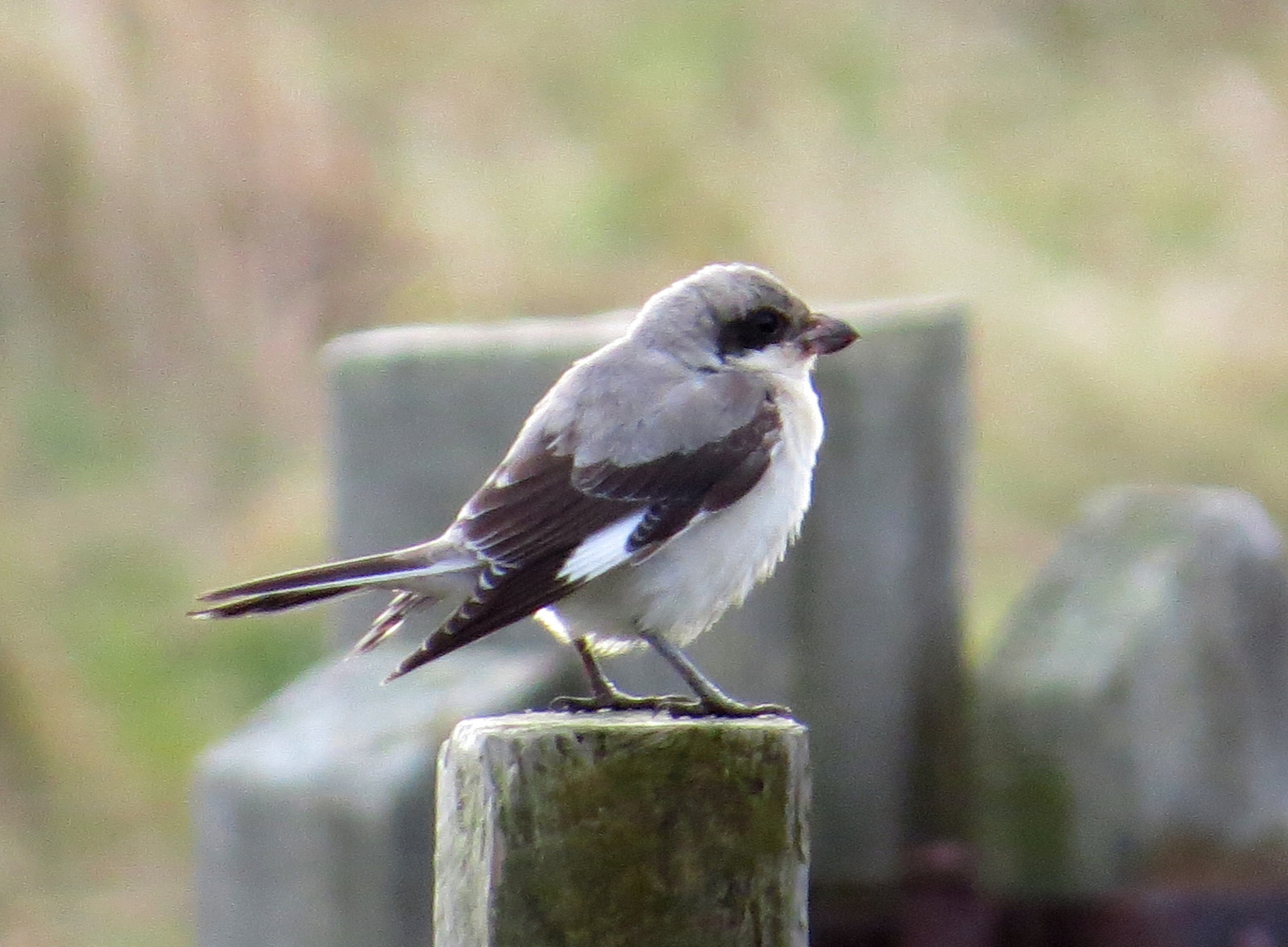
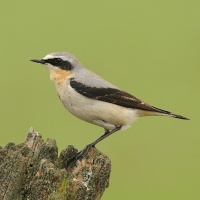
The tern colony is wardened round the clock in summer. Birders are welcome to visit the wardens' hut, where the terns can be seen at close range. The dunes hold breeding Taşkuşu and Çayır incirkuşu, and have good numbers of passage Kuyrukkakan and other migrants. In winter, the saltmarsh often holds a Sarıgagalı ketenkuşu flock, which can also attract occasional Kulaklı toygar and Alaca kirazkuşu. Brackish water channels in the saltmarsh attract breeding Suna and a good range of passage waders such as Kervançulluğu and Sürmeli kervançulluğu. Many rarer species have been recorded, including Terek düdükçünü, Küçük Sarıbacak, Karaalınlı örümekkuşu (2 records!), Bozkır Toygarı, and Mahmuzlu incirkuşu.
Details
Access
The site is a fairly long walk (about 2 km) from the nearest parking. There is no shelter, and no visitor facilities, so come prepared for both sunburn and bad weather! Most of the walk is easy, but some parts (particularly the final 300 m to the wardens' hut viewpoint) are narrow and loose sand. Parking is available at High Newton to the south (£), and Beadnell to the north (free up to 1 hour, then £). Click on a P in the map for directions. Bus X18 (Newcastle-Berwick) to Beadnell, about 2.5 km. The coastal path is open to cycles, but heavy going through loose sand in places; likewise, difficult for wheelchairs and all-terrain mobility scooters (and the path to the wardens' hut not accessible). It is important to stick to the paths; do not cross the ropes protecting the tern colony.
Terrain and Habitat
Wetland , Plain , Beach , Mud flats , Agriculture , Scattered trees and bushes , Grassland , River , Sea , DunesConditions
Flat , Sandy , No shadow , Hilly , High water possible , Open landscape , DryCircular trail
NoIs a telescope useful?
Can be usefulGood birding season
Spring , SummerBest time to visit
Spring migration , Summer , AutumnRoute
Wide path , Narrow trailDifficulty walking trail
StrenuousAccessible by
FootBirdwatching hide / platform
YesExtra info
If visiting during the breeding season, please share your sightings with the wardens! They will be happy to help you find other birds in return.
 ) to insert bird names in your own language. The birdnames will automatically be translated for other users!