Description
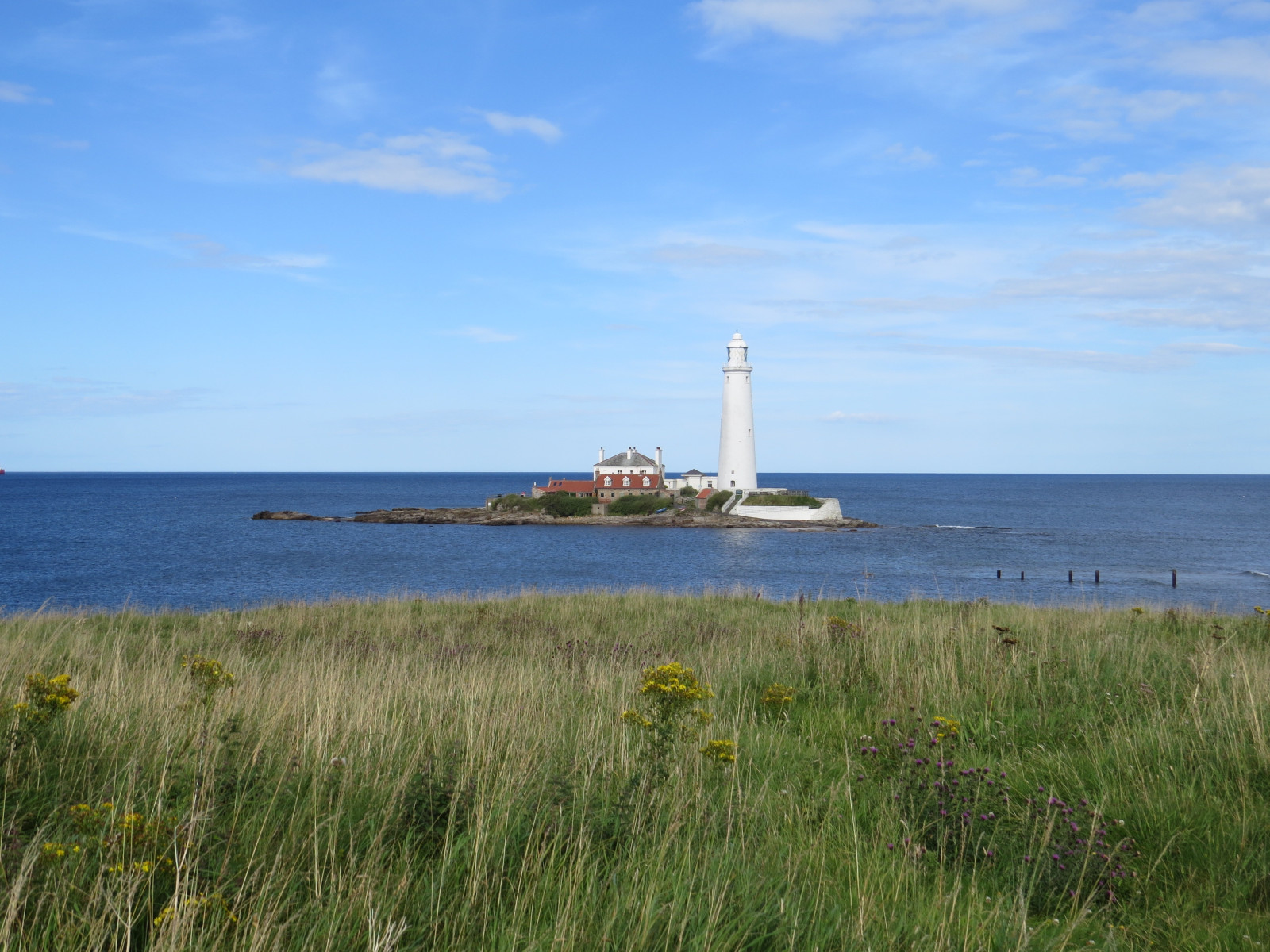
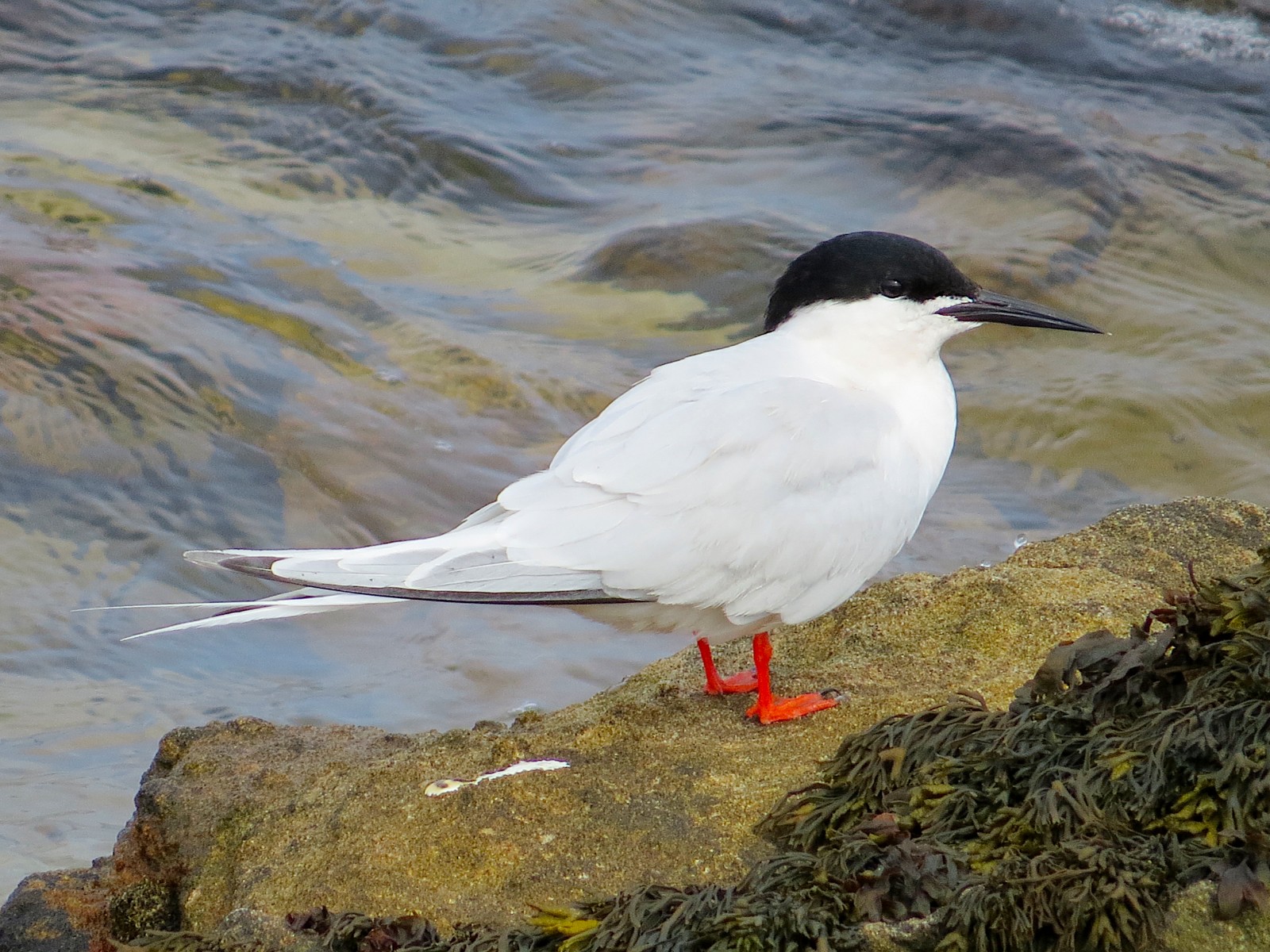
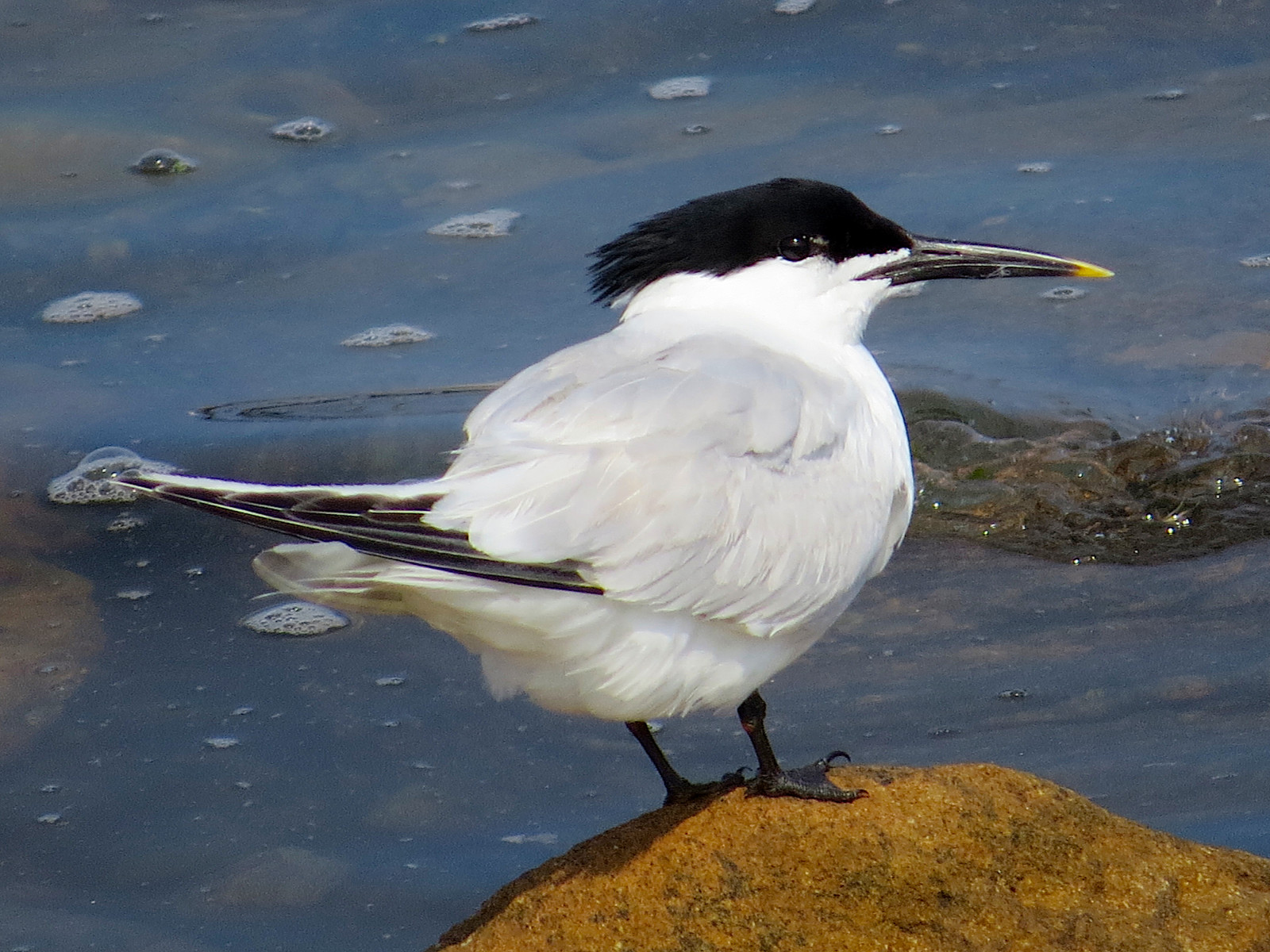
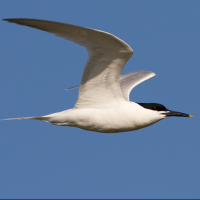
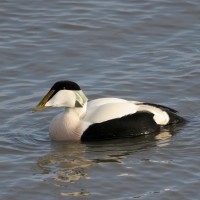
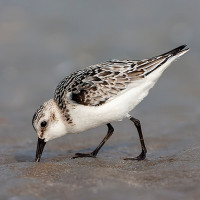
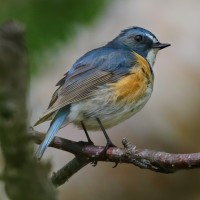
This site is excellent for seabirds, waders and passage migrants, and also a good lookout point for sea mammals. One of the most accessible places in Europe to see Pembe Sumru close up as they gather here with other terns in July to September after breeding on nearby Coquet Island. A sea-watching hide on the island gives the chance to see a range of seabirds including regular kül rengi yelkovan, Atlantik Yelkovanı, Büyük Korsanmartı, deniz papağanı, and many others including more rarely, Kap Verd Fırtınakuşu superspecies, Atlantik boz yelkovani, büyük yelkovan, çatal kuyruklu fırtına kirlangici, and Kütkuyruklu korsanmartı and Uzunkuyruklu korsanmartı. The tidal areas attract good numbers of waders, with Altın yağmurcun the most numerous. In autumn, the coastal shrubs are as reliable as anywhere for Sarıkaşlı çıvgın, çalıkuşu çıvgını, Çizgili ötleğen, and other Siberian vagrants; rarer species have included Kuzey kamışçını and Mavikuyruklu bülbül. The nearby cemetery is also good for autumn passerines, including one of Britain's very few Boz çıvgıns.
Look out for colour-ringed birds! One Karagagalı Sumru had been over 10,000 km to Gansbaai in South Africa!
The tidal island is a regular haul-out for Grey Seals, and offshore, Common Porpoises, White-beaked and Bottlenose Dolphins are regular, while Minke and Humpback Whales have been recorded.
Details
Access
Busses 308 and 310 from Newcastle to Blyth both pass within a few minutes walk of the site; also good cycle access. The main access to the island is suitable for all weathers, but some of the paths to other parts of the site can get muddy after heavy rain.
The island, closed for much of summer 2024, has recently reopened after the completion of essential maintenance work.
Terrain and Habitat
Wetland , Beach , Mud flats , Agriculture , Scattered trees and bushes , Grassland , SeaConditions
Flat , No shadow , Open landscapeCircular trail
YesIs a telescope useful?
Can be usefulGood birding season
All year roundBest time to visit
Winter , Summer , Autumn , Autumn migration , Spring , Spring migrationRoute
Paved road , Wide path , Unpaved road , Narrow trailDifficulty walking trail
EasyAccessible by
Foot , BicycleBirdwatching hide / platform
YesExtra info
The island is accessible from about 2 hours to 2 hours 30 minutes after high tide, until 2 hours before the next high tide. Take care not to get stuck over the tide, unless you intend to spend 4-5 hours seawatching! The visitor centre on the island has restricted opening hours, and is closed over the high tide; there are no facilities over high tide. See the link below for the actual tides table.
For terns and waders, a rising tide is best; watch from the promenade between 3 and 2 hours before high tide.
 ) to insert bird names in your own language. The birdnames will automatically be translated for other users!