Description
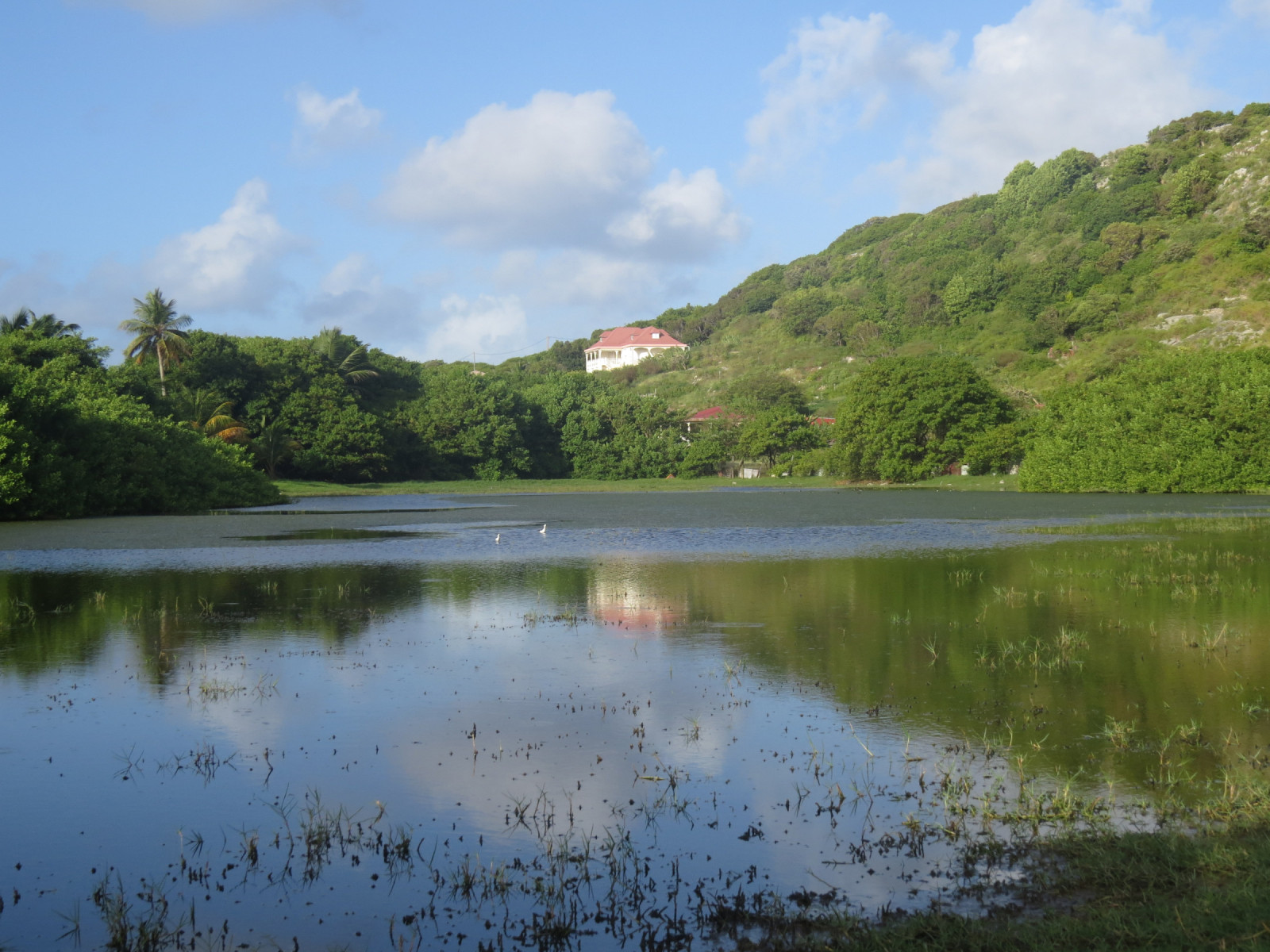
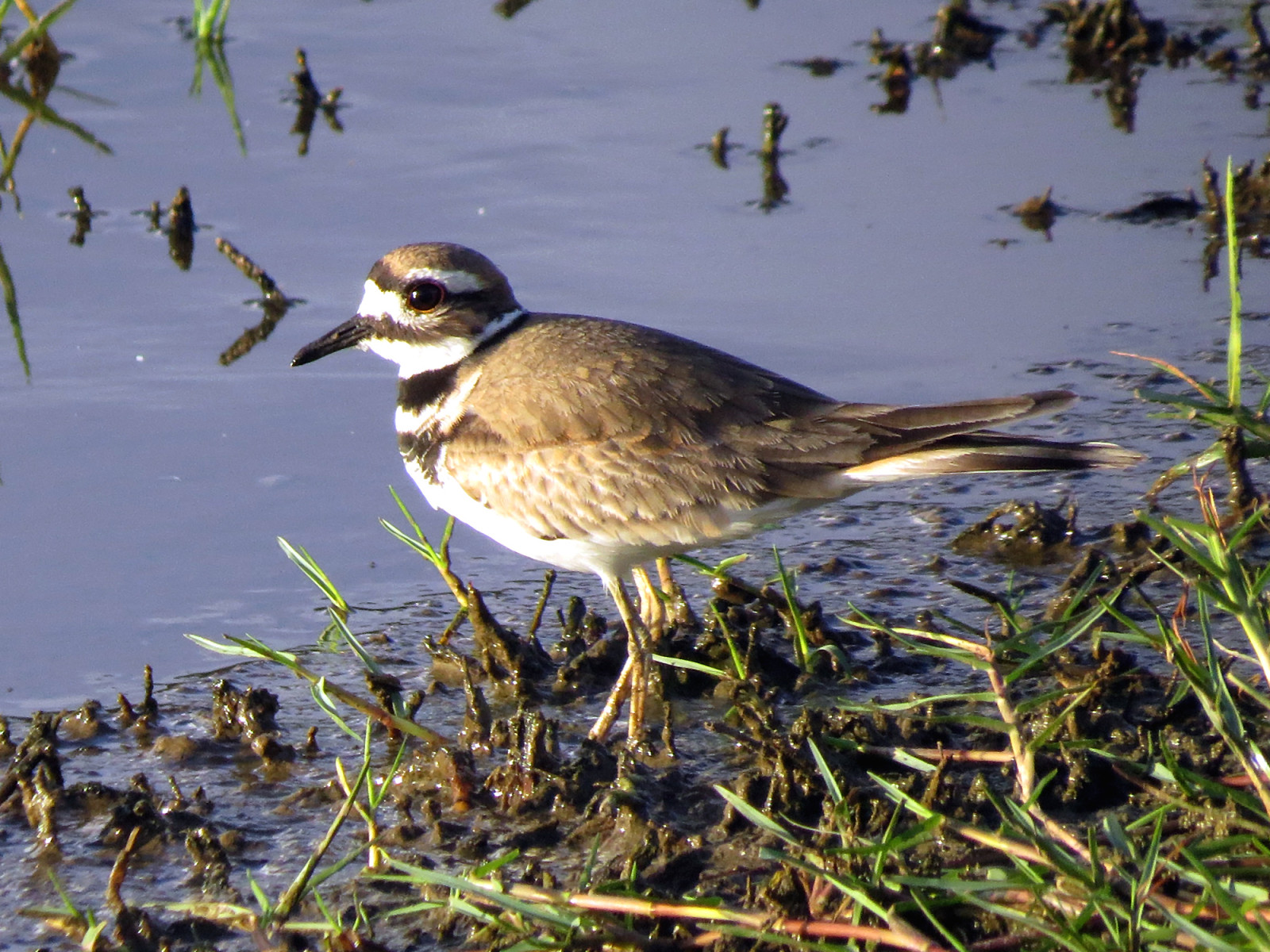
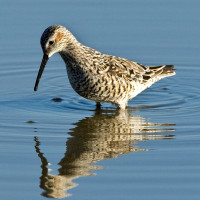
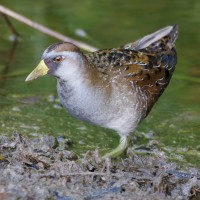
Saline de Galet consists of two shallow lagoons, separated from the road by trees and accessible by a small track. There isn't much cover but with a little caution and field craft it is possible to move around the lagoon without disturbing the bird life. I have only visited in November when there were many wading species to be seen, probably on migration: Pectoral Sandpiper, Killdeer, Wilson's Snipe, Black-necked Stilt, Least Sandpiper, Stilt Sandpiper, plus many others. As well as a few non wader species like Sora, Blue-winged Teal, American Coot and Belted Kingfisher.
Each visit revealed new species for the few days I was visiting La Desirade. Access to parts of the lagoons is limited because of the surrounding trees. [WARNING : many of the surrounding trees are manchineel trees (Hippomane mancinella) of which every part is poisonous. The fruit is toxic and the sap from the leaves and stems is too. If touched, the irritants in manchineel sap can cause inflammation and painful blisters on the skin. Passersby are warned not to stand underneath the tree when it's raining, as dripping water can transfer toxins from the tree.
Although mainly of interest because of the water birds, many other bird species may be observed in the vicinity.
Details
Access
The Saline de Galet is approximately 1.5 km west from the harbour in the main port town of Beausejour. There is a small turning right off Rue André Sablon into the area. (It is on the opposite side of the road and parallel with the airport landing strip). It is possible to park nearby but visitors are unlikely to have a car on this small island. Although it would be possible to observe many of the species present in a few minutes of arrival, I found repeat visits very useful for seeing different species, and also birds re-emerging after my initial arrival. The island is very small so I would visit the Salines whenever I was nearby.
Terrain and Habitat
Wetland , PondConditions
Flat , Open landscape , SlipperyCircular trail
NoIs a telescope useful?
Can be usefulGood birding season
Autumn , SpringBest time to visit
Autumn migration , Spring migrationRoute
Unpaved roadDifficulty walking trail
EasyAccessible by
Foot , Bicycle , WheelchairBirdwatching hide / platform
NoExtra info
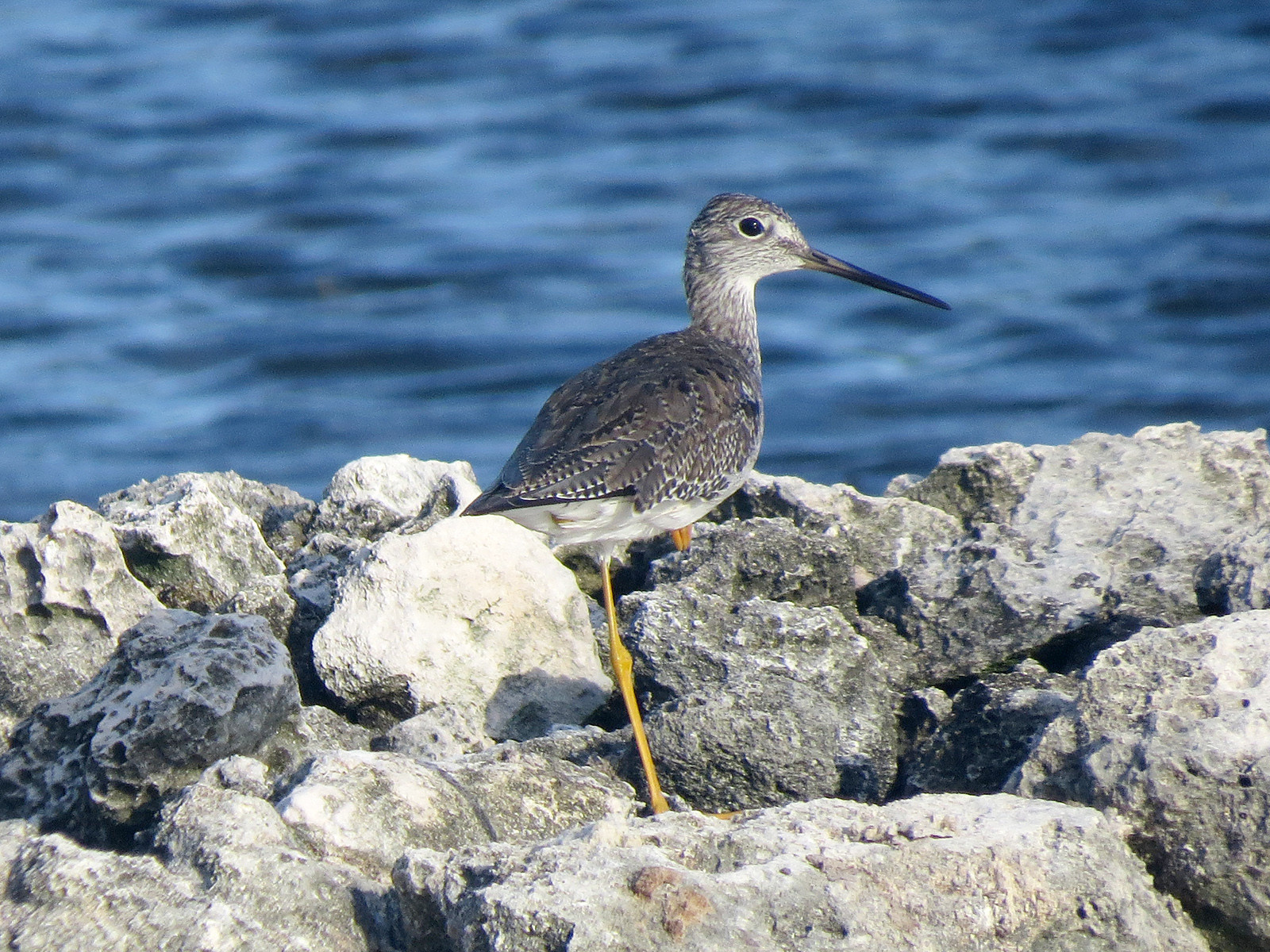
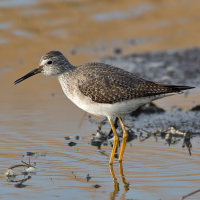
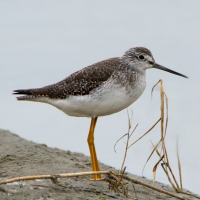
It was very good for photographing the different species as the birds soon accepted the presence of the visitor if they were cautious in their appraoch, although certain species would alarm call loudly when you first arrive (Black-necked Stilt Greater Yellowlegs).
 ) to insert bird names in your own language. The birdnames will automatically be translated for other users!