Description
In the 1960s, the course of the Angitola River was diverted to allow for the creation of an artificial reservoir. In 1975, it became a WWF Natural Oasis due to its unique ecosystem, and in 1985 it was designated a Wetland of International Importance. Wandering through the dense forest and along the lake shore, you can observe a wide variety of plant and animal species. In addition to migratory birds, you might encounter foxes and martens, wolves, badgers, European wildcats, splendid Avelignese and Morgese horses grazing in the wild, as well as deer, roe deer, and weasels.
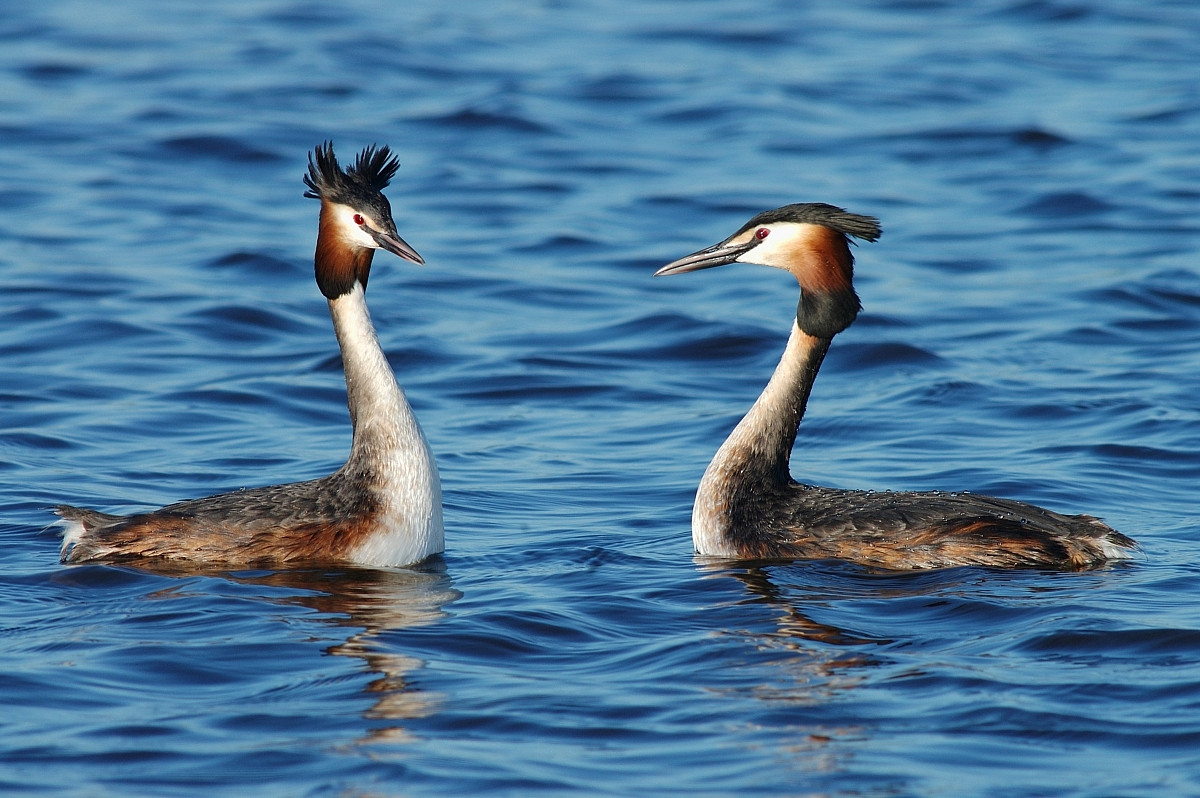
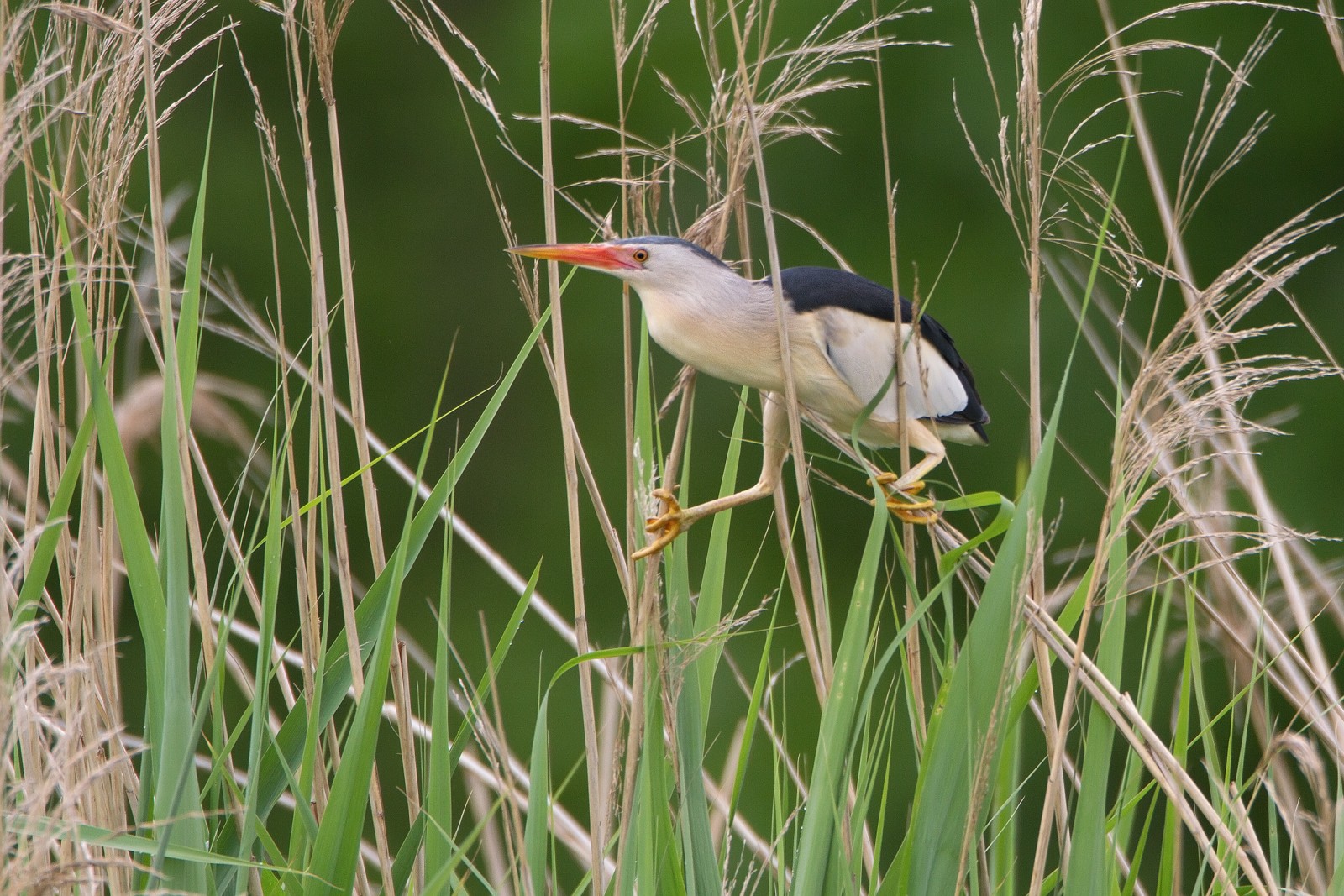
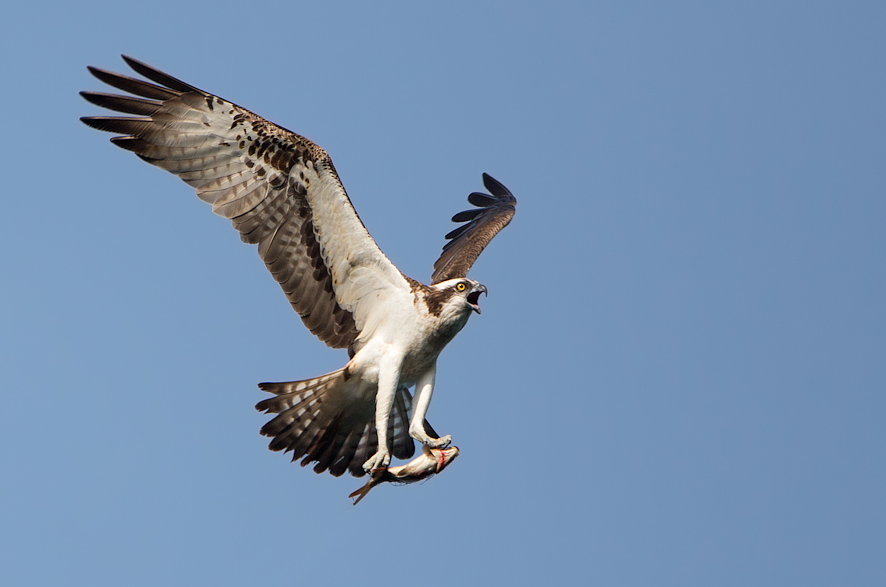
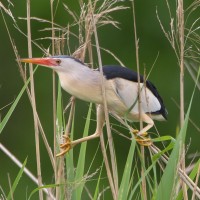
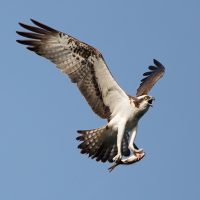
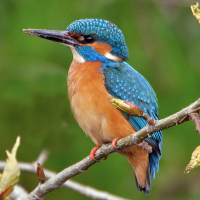
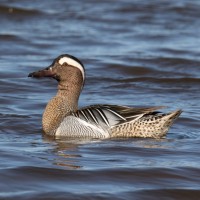
The avifauna list of the oasis includes over 130 different species of birds, in which those associated with wetlands predominate: Great Crested Grebe (most representative species, always observable but the ideal is in late spring), Great Cormorant (mainly wintering starting from September), Grey Heron , Great Egret (rarer), Purple Heron , Little Egret , Squacco Heron , Black-crowned Night Heron , Little Bittern (nesting), Cattle Egret (It has appeared in the oasis territory in the last few years), Eurasian Spoonbill , Glossy Ibis , Eurasian Coot , Eurasian Moorhen , Mallard , Eurasian Teal , Eurasian Wigeon , Northern Pintail , Northern Shoveler , Common Pochard , Garganey (stops on the lake for a few days at the beginning of spring), Common Buzzard , Eurasian Kestrel , Osprey , Black Kite , European Honey-buzzard , Western Marsh Harrier , Black-winged Stilt , Ruff , Common Snipe , Eurasian Woodcock , European Bee-eater (during migration periods or in midsummer), Common Kingfisher (especially in winter), Eurasian Green Woodpecker , Great Spotted Woodpecker , Penduline Tit , Golden Oriole , Great Reed Warbler.
_________________________
Italiano: Situato nel Parco Naturale Regionale delle Serre in provincia di Vivo Valentia, il Lago Angitola è un piccolo paradiso in cui approdano centinaia di uccelli migratori e luogo da scoprire dove praticare birdwatching. Negli anni '60 il corso del fiume Angitola fu deviato per consentire la creazione di un invaso artificiale, divenendo poi nel 1975 Oasi Naturalistica WWF per via del suo particolare ecosistema e dal 1985 è stata definita Zona Umida d'Importanza Internazionale. Percorrendo il bosco fitto e le rive del lago si possono osservare una gran varietà di specie vegetali e animali. Oltre, ovviamente, agli uccelli migratori, ci si può imbattere in volpi e faine, lupi, tassi, gatti selvatici, splendidi cavalli di razza avelignese e morgese che pascolano allo stato brado, e poi ancora cervi, caprioli e donnole.
L’elenco avi-faunistico dell’oasi comprende oltre 130 specie diverse di uccelli in cui predominano quelle legate alle zone umide.
Details
Access
The entrance to Oasi WWF Lago Angitola is located approximately 5.6 km from the Pizzo (VV) A2 motorway junction, continuing along the former state road 110 that leads from the Angitola junction to Serra San Bruno. More precisely, 600 meters after the Maierato junction, still in the direction of Serra San Bruno. You can park your car on the side of the road, a few meters from the entrance gate. Press P on the map for directions.
_________________________
Italiano: L'ingresso dell'oasi si trova a circa 5,6 km dallo svincolo autostradale A2 di Pizzo (VV) ,proseguendo lungo la ex statale 110 che dal Bivio Angitola conduce fino a Serra San Bruno. Più precisamente 600 metri dopo il Bivio per Maierato, sempre in direzione Serra San Bruno. Si può accostare l'auto ai lati della strada, a pochi metri dal cancello d'ingresso.
Terrain and Habitat
Wetland , Mountain , Reedbeds , Scattered trees and bushes , Lake , ForestConditions
Mountainous , FlatCircular trail
NoIs a telescope useful?
Can be usefulGood birding season
All year roundBest time to visit
Autumn migration , Spring migrationRoute
Unpaved roadDifficulty walking trail
EasyAccessible by
Foot , CarBirdwatching hide / platform
YesExtra info
Opening hours and days are established by the Serre Regional Park and are subject to change depending on the season. The oasis is generally open from 7:00 am to 2:00 pm, Monday through Friday. It is advisable to contact the management. (Visit the link below) There are birdwatching hides but they are currently marked as unusable.
_________________________
Italiano: Gli orari e le giornate di apertura sono stabiliti dal Parco Regionale delle Serre e sono soggetti a cambiamenti in base alle stagioni. Di norma l'oasi rimane aperta dalle 7.00 fino alle 14,00, dal lunedì al venerdì. Consigliabile contattare i responsabili. (Visita il link qui sotto). I capanni per il birdwatching ci sono ma attualmente vengono segnalati come non fruibili.
 ) to insert bird names in your own language. The birdnames will automatically be translated for other users!