
Description
Carlton Marshes lie in the Waveney Valley at the southern tip of the Norfolk Broads and is part of the Suffolk Broads. It comprises a jigsaw of grazing marsh, fens, peat pools, short fen meadow, tall fen (called 'tall litter fen'), dykes, pools and scrub. Mostly man-made, these habitats have developed over hundreds of years of traditional management and now host specialised wildlife.
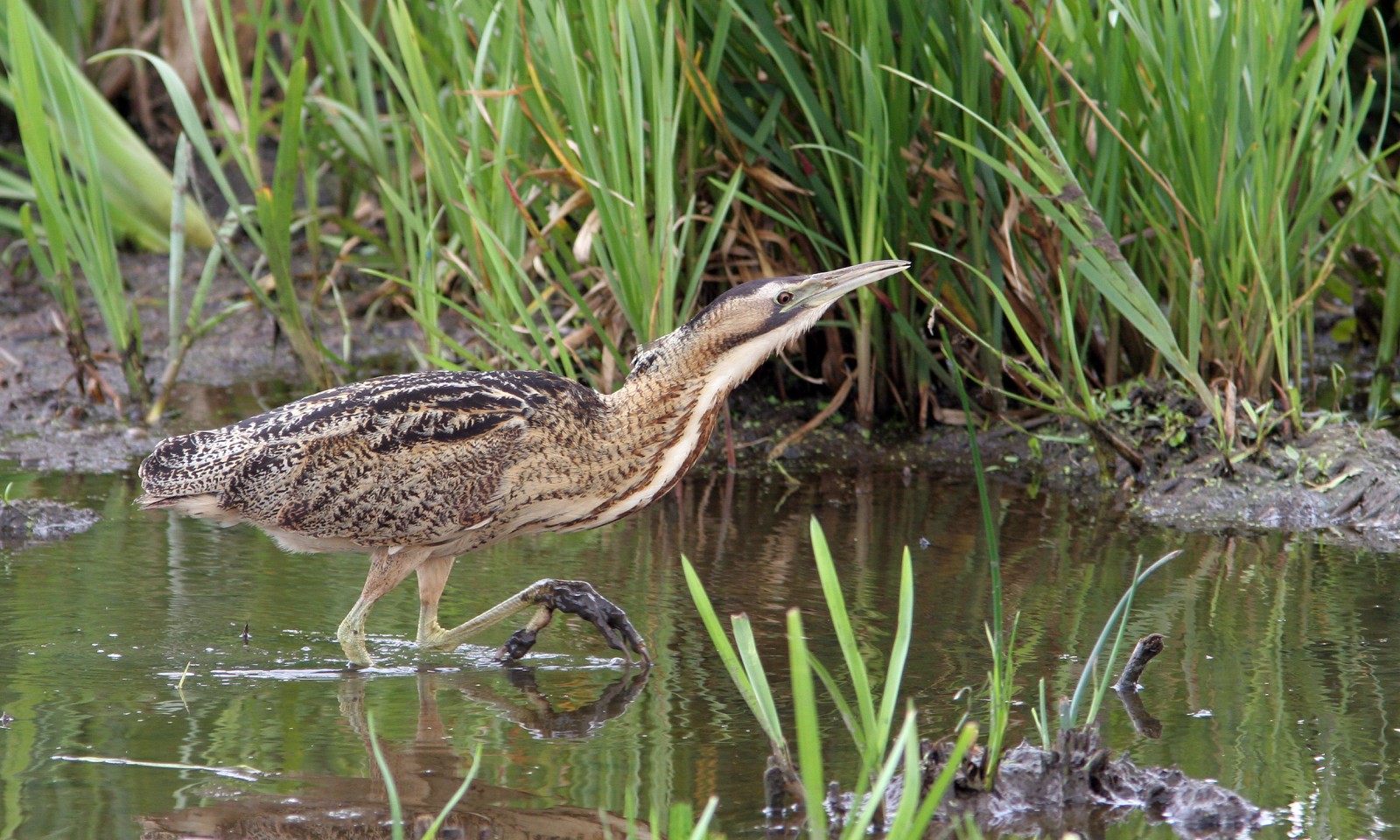
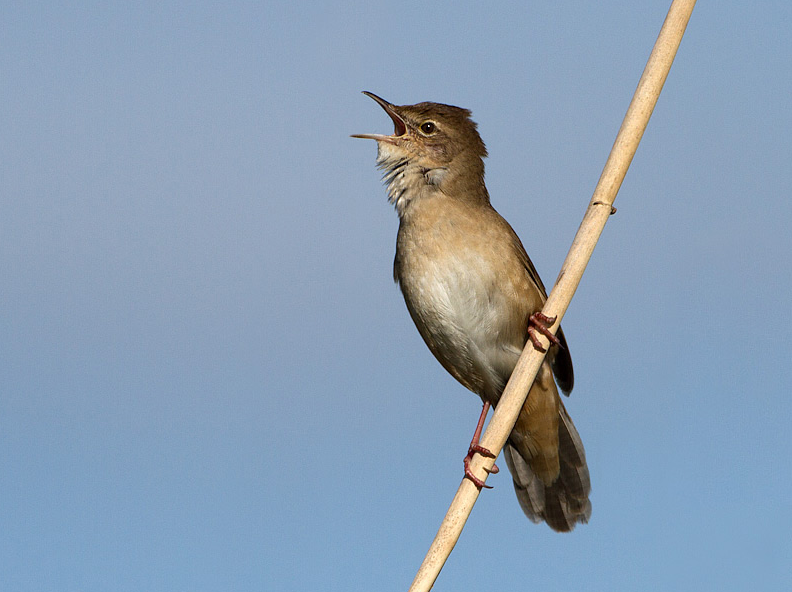
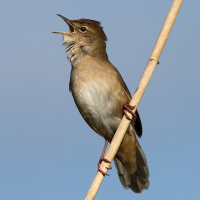
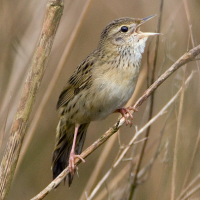
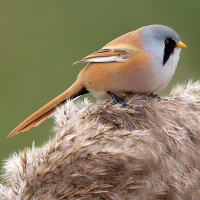
This reserve is a paradise for marsh land birds and birds of prey including Eurasian Hobby and Western Marsh Harrier. The reserve is one of the best sites in East Anglia to see Grasshopper Warbler. The reed and sedge beds along the river wall make ideal nesting cover for Reed Warbler and Sedge Warbler, Savi's Warbler, Bearded Tit and Cetti's Warbler. The grazing marshes are also ideal for wintering wildfowl and breeding waders with Northern Lapwing and Common Redshank displaying through the spring and large numbers of Eurasian Wigeon, Eurasian Teal and Common Snipe in winter.
Details
Access
The reserve is located west of Lowestoft. Entrance is free. How to get there: By bike, on the A146 (6 km from Lowestoft city centre). By train, stop at Oulton Broad South Station and walk 1,5km to the Visitor Centre. By Bus: buses stopping near the end of Burnt Hill Lane on the A146 and Oulton Broad South and North stations being a 20 or 30 minute walk respectively. By car, follow Visitor Centre and park there. Click on the P in the map for directions. How to visit: by foot only.
Terrain and Habitat
Wetland , River , ReedbedsConditions
Flat , Open landscape , Wet , High water possibleCircular trail
YesIs a telescope useful?
Can be usefulGood birding season
All year roundBest time to visit
Winter , Spring , AutumnRoute
Wide pathDifficulty walking trail
EasyAccessible by
Foot , WheelchairBirdwatching hide / platform
YesExtra info
Carlton Marshes bought a new piece of land (Peto's marsh) in 2018 and is has created a vast wetland on it. Observatories and new trails have been created. This is a huge improvement on the already massive potential of the reserve, very exciting for all wetland species!
 ) to insert bird names in your own language. The birdnames will automatically be translated for other users!