Description
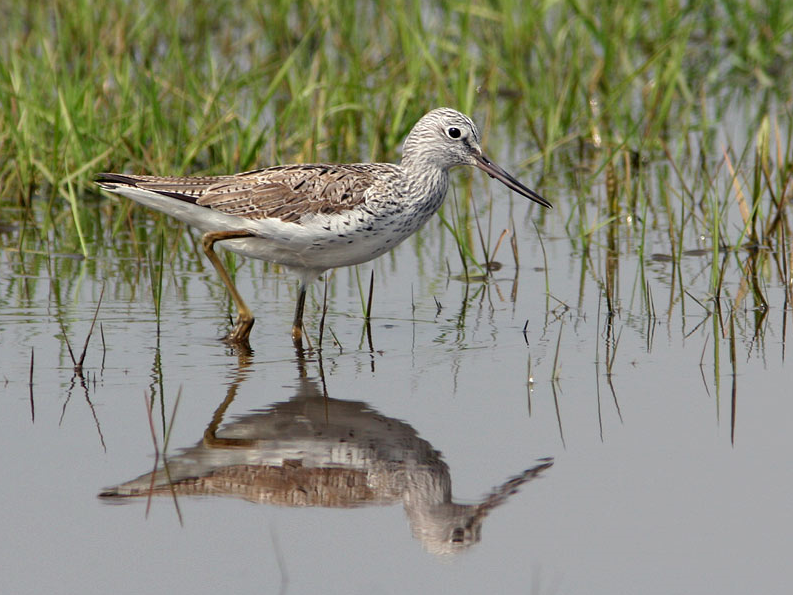
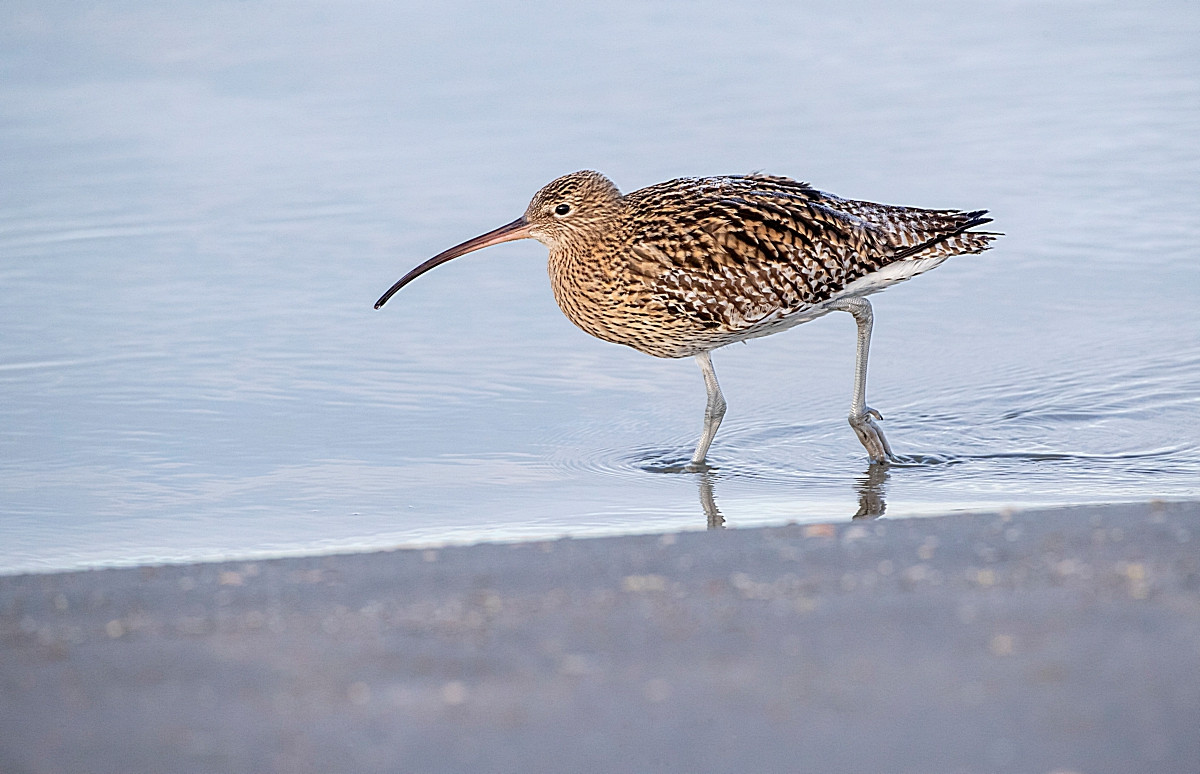
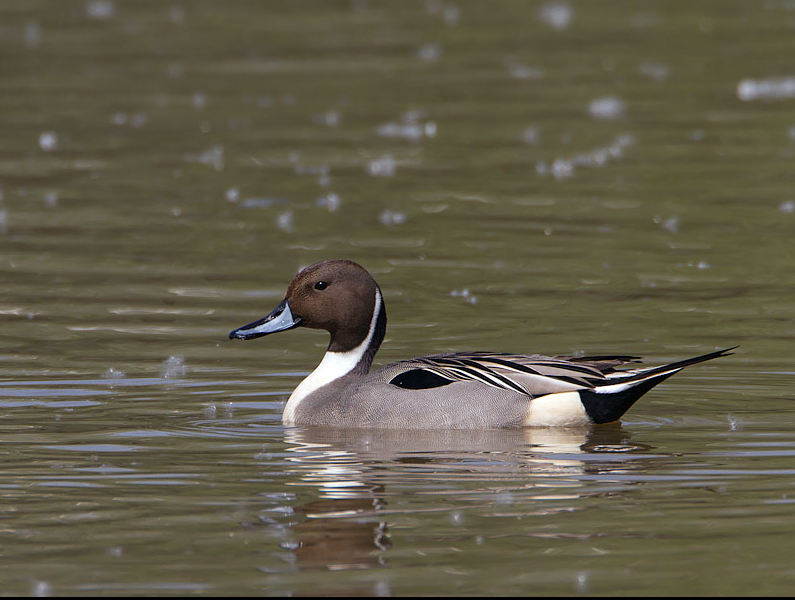
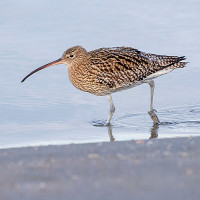
The Duddon Estuary, nestling between the Lakeland fells and the Irish Sea, is a dynamic and diverse environment. The expanses of sand and mud flats laid down by retreating glaciers thousands of years ago are constantly reworked by the tides providing unique and varied habitats. If the tide is high, then geese, waders and waterfowl will be visible from the shore next to the railway, including winter migrants. A regular assemblage of over 20,000 wintering waterfowl (wildfowl, waders and seabirds) and during severe winters numbers may exceed 70,000, including Common Shelduck , Red-breasted Merganser , Eurasian Oystercatcher , Common Ringed Plover , Dunlin and Eurasian Curlew .
Details
Access
Viewpoints are accessible by road and railway, but it will be necessary to walk on damp, sometimes flooded grassland.
Terrain and Habitat
Mud flats , Scattered trees and bushes , Grassland , River , Sea , City/villageConditions
Flat , Open landscape , High water possibleCircular trail
NoIs a telescope useful?
YesGood birding season
Winter , SpringBest time to visit
WinterRoute
Paved road , Narrow trailDifficulty walking trail
EasyAccessible by
FootBirdwatching hide / platform
NoExtra info
The railway footbridge at Kirkby-in-Furness station gives elevated views of the marsh.
 ) to insert bird names in your own language. The birdnames will automatically be translated for other users!