
Description
Far Ings National Nature Reserve is a legacy of the brick and tile industry. A chain of flooded clay pits and extensive reed beds along the Humber bank from west of Barton-upon-Humber to New Holland. The site comprise the open water of Ness Lake, large areas of reed bed, grassland, hedgerow and scrub. The Visitor Centre has wonderful panoramic views across the reserve and the estuary, along with a gift shop and refreshments.
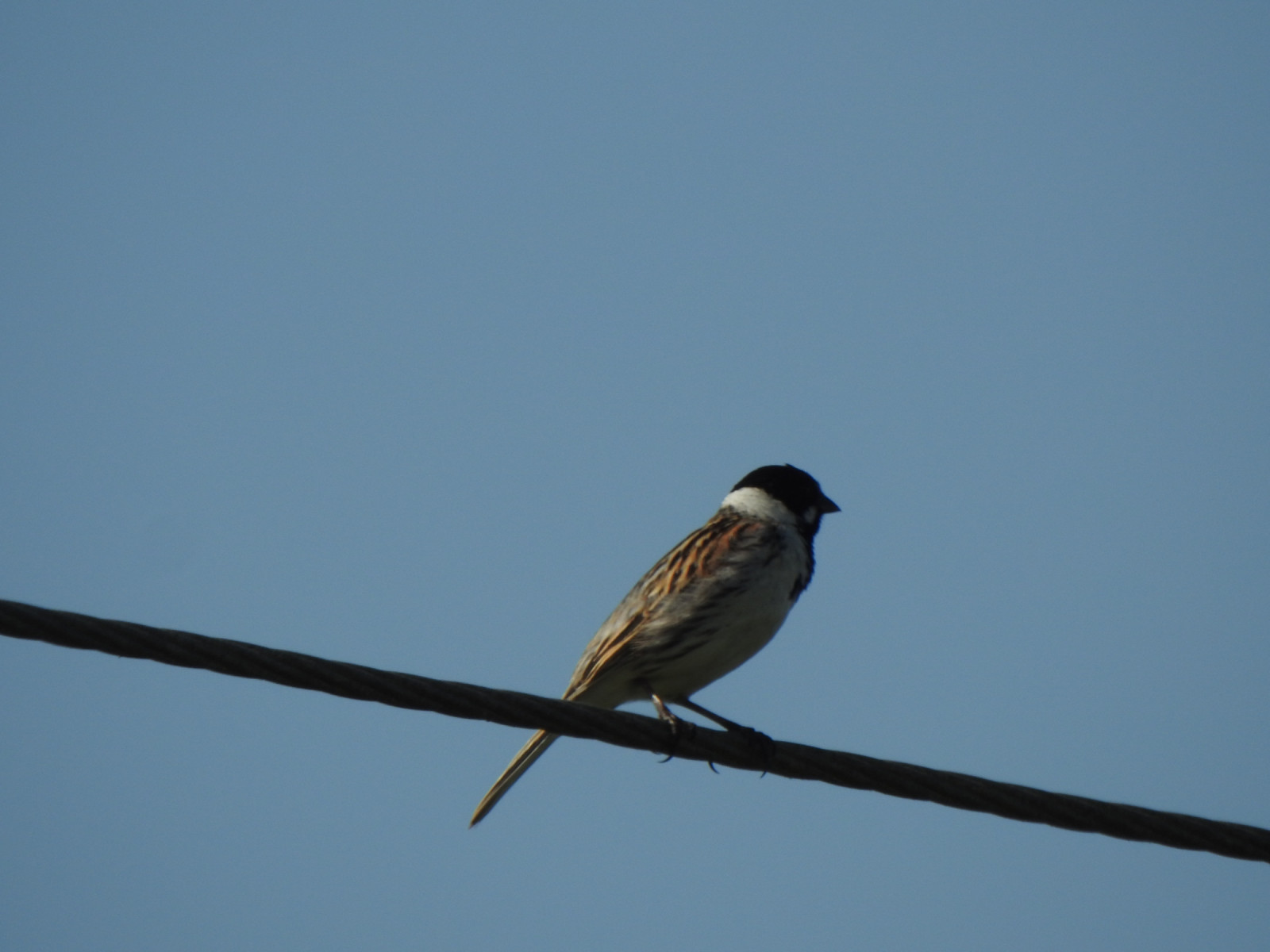
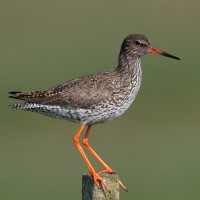
In spring and autumn you can see migration in action. Pipits, finches, swallows, martins, swifts, larks, starlings, waders and wildfowl move along the estuary. In late summer the reedbeds are important hirundine roosts. Autumn and winter reward the observer on the Humber bank with sightings of Common Redshank, Eurasian Wigeon, Black-tailed Godwit, skeins of Pink-footed Goose and many more species. Among the wildfowl which spend the winter months on the pits within the reserve, look for the diminutive Eurasian Teal.
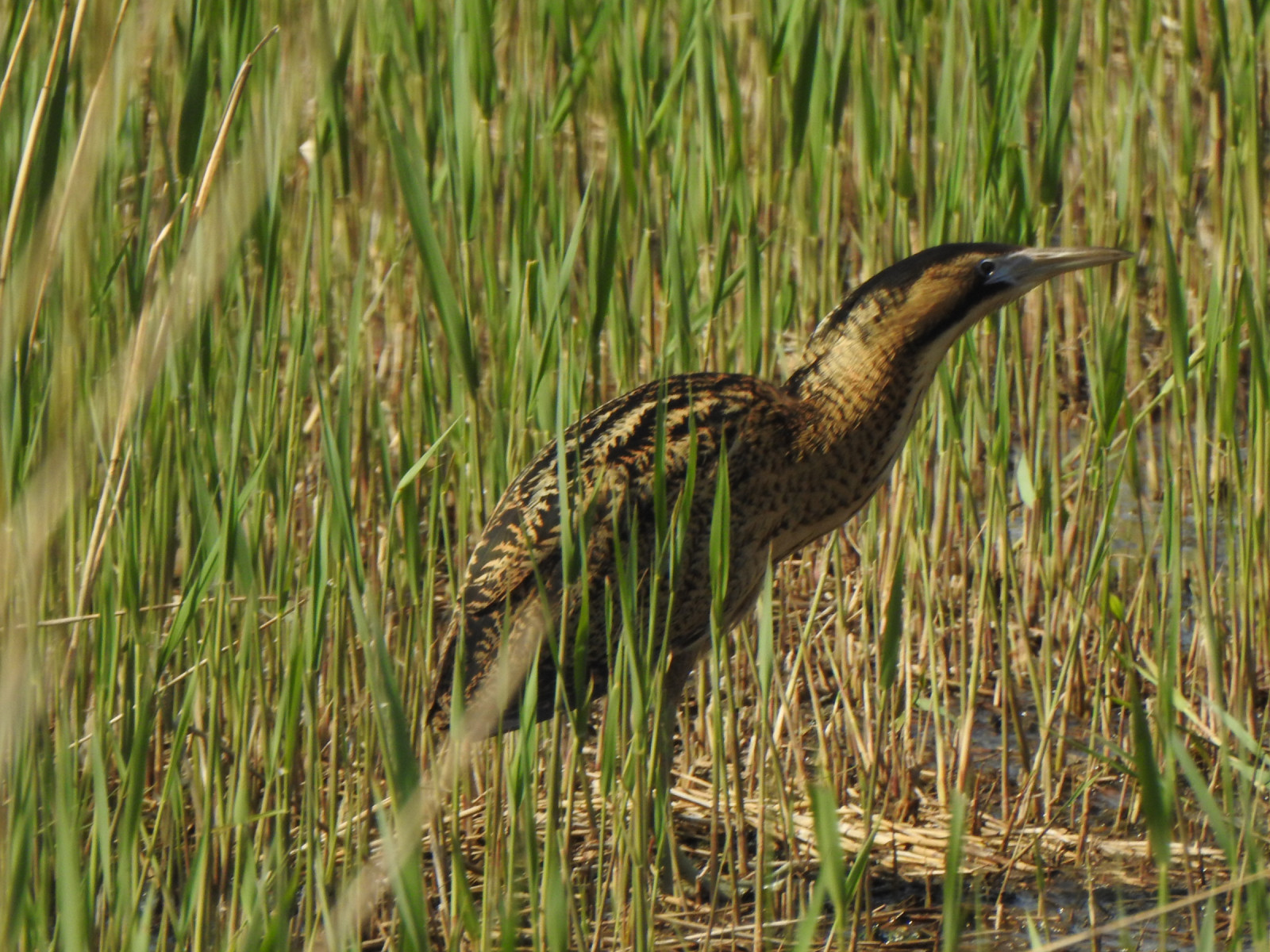
There are Great Bittern on the reserve all year and they are seen in various locations across the reserve. It is possible to hear them ‘booming’ in the spring from about March. A good location to try is the double decker hide at Ness End Farm. Great Bittern is seen from here on a regular but infrequent basis – they are very shy birds and good at hiding.
Details
Access
Many paths are suitable for wheelchairs (except for closed gates when sheep are present), and there is disabled access to two bird hides. Click on a P in the map to get directions to the parking of your choice.
 ) to insert bird names in your own language. The birdnames will automatically be translated for other users!