Description
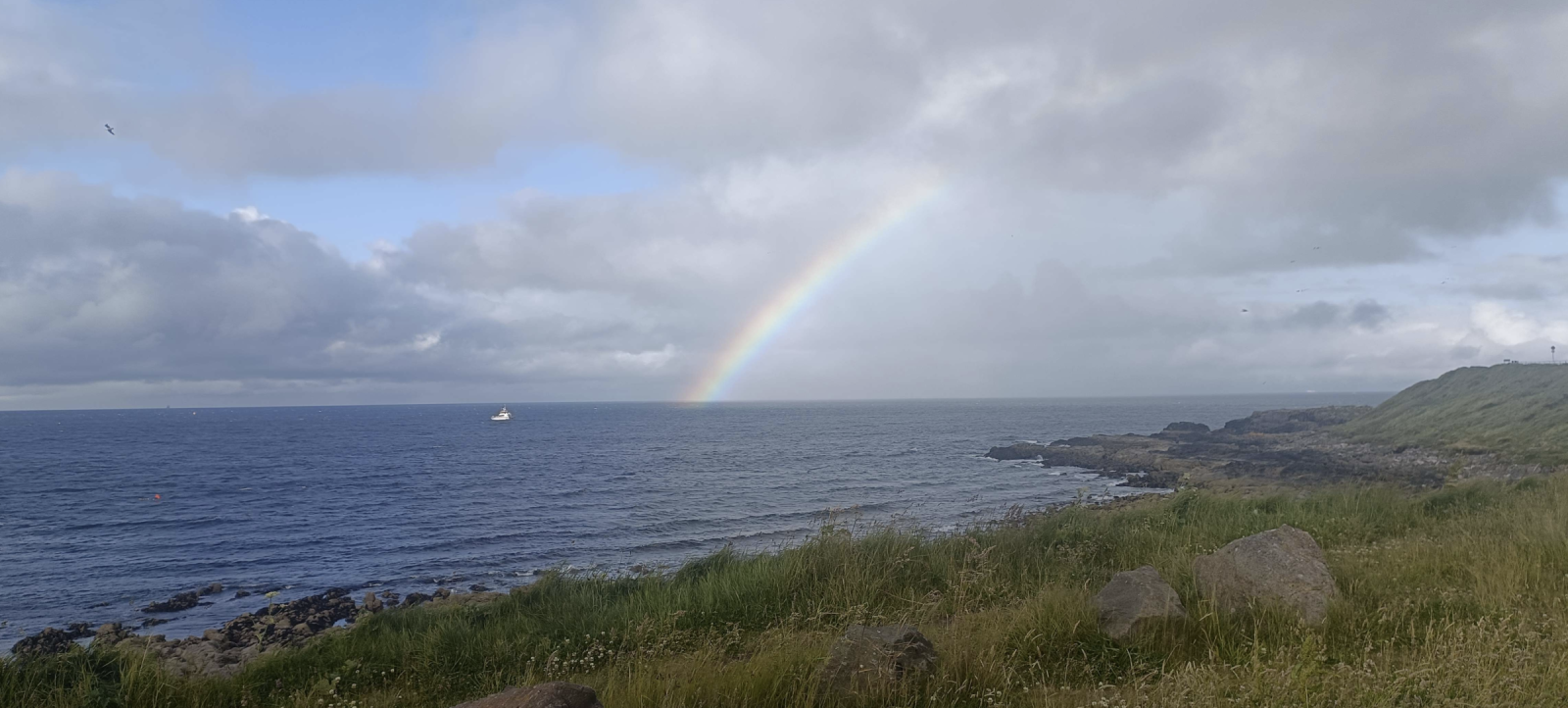
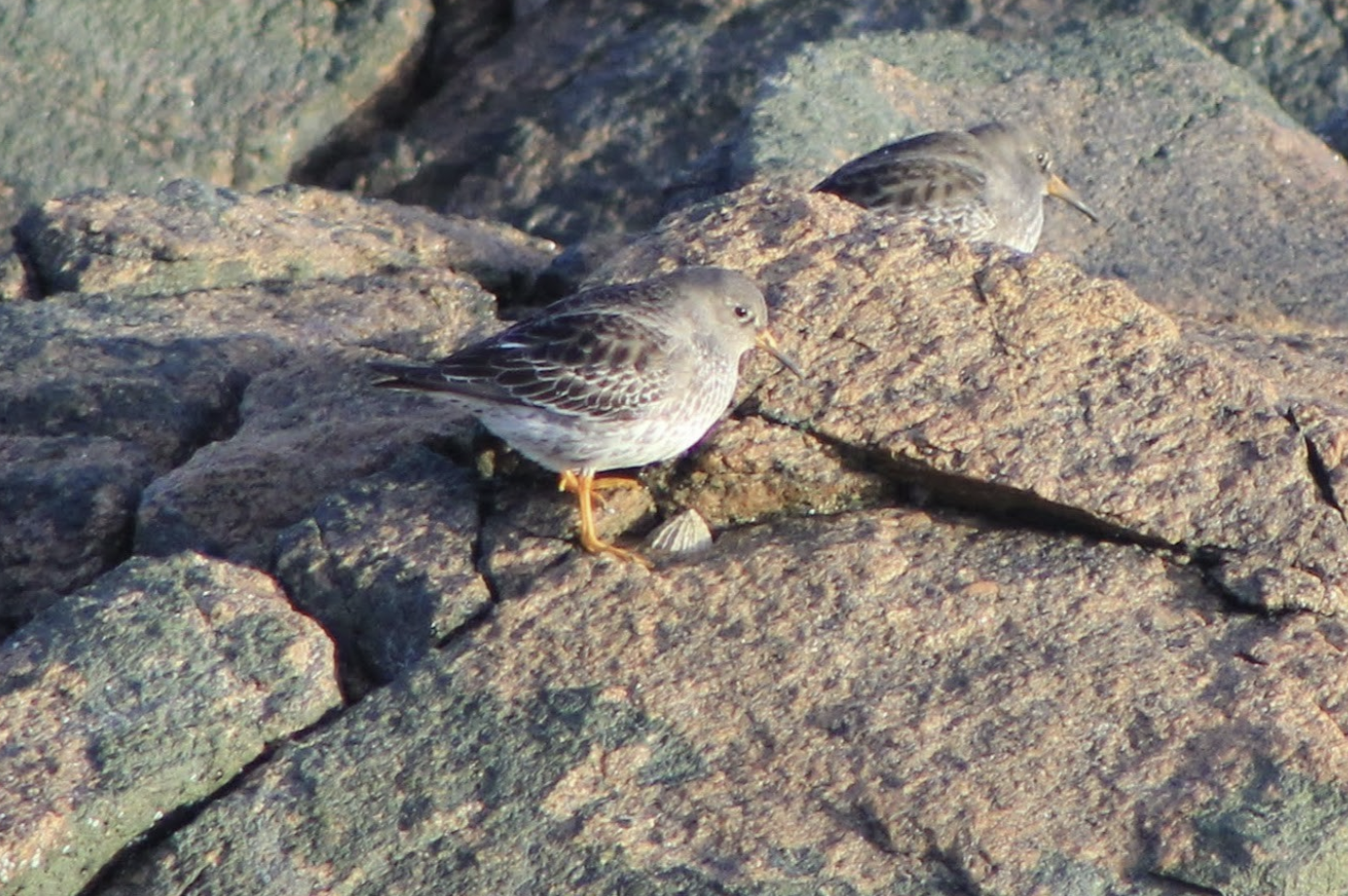
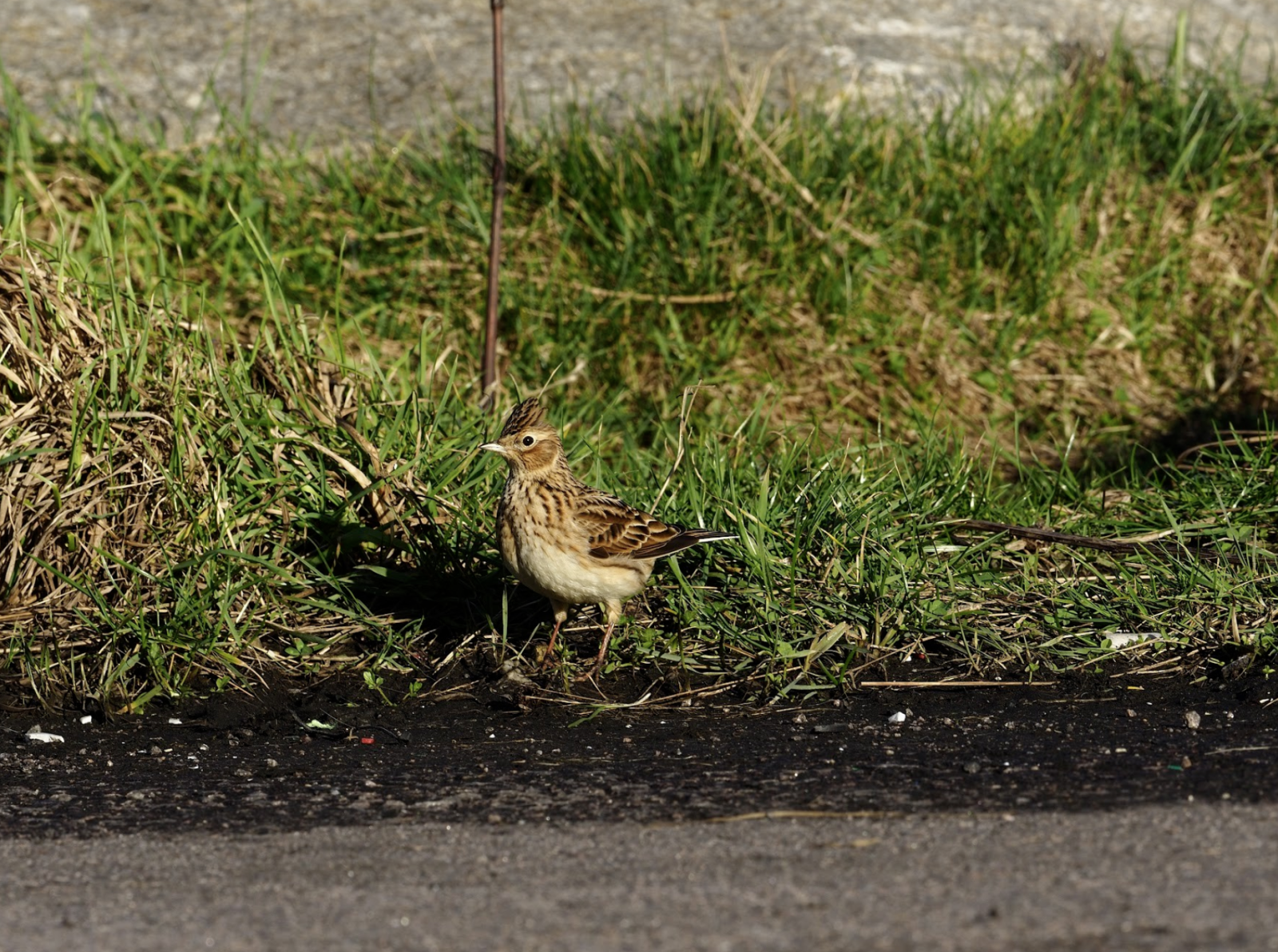
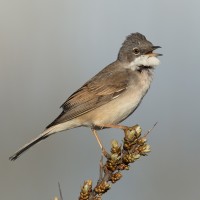
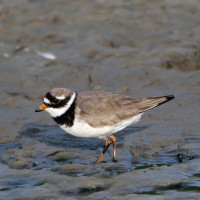
Girdleness is a great place to find certain seabirds and coastal species. The two breakwaters/piers are great for finding resting gulls as well as Great Cormorant and European Shag. The rocks on the coast at Greyhope bay are good for Common Eider and Common Ringed Plover. The tall grass and bushes that litter the island are great for breeding Greater Whitethroat, Eurasian Skylark and Meadow Pipit. The reedbeds down at St Fittick's park often holds Reed Bunting and, in winter, is the roost for many Common Snipe and Jack Snipe. Waders often turn up on the rocks or piers.
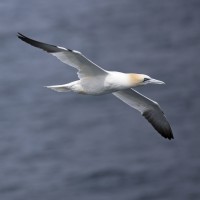
Good winds can attract rare passerines such as Bluethroat and others. Siberian Chiffchaff is sometimes found in winter around the new harbour, near St Fittick's park. There is a car park at Torry Battery where there is also a cafe with benches and seats inside. There is a lighthouse at the point as well as an old foghorn, which is where the best seawatching is. Long-tailed Duck is found in winter out to sea and Northern Gannet is often seen flying past.
Details
Access
Girdleness is located southeast of the Aberdeen city centre. Access the site from St Fittick's Road in the south. The road goes round the lighthouse (where a car park is nearby) and back to Torry Battery, with two more car parks. Click on a P in the map for directions to a car park. The biggest car park is at the lighthouse. Car parks are never full. Good site for a morning of birding. The nearest bus stop is on St Fittick's Road. Accessible by bike and on foot. Most paths are not suitable for wheelchair users. St Fittick's park is mostly concrete paths. A telescope is useful if you are planning to scan through gulls or do some seawatching.
 ) to insert bird names in your own language. The birdnames will automatically be translated for other users!