Description
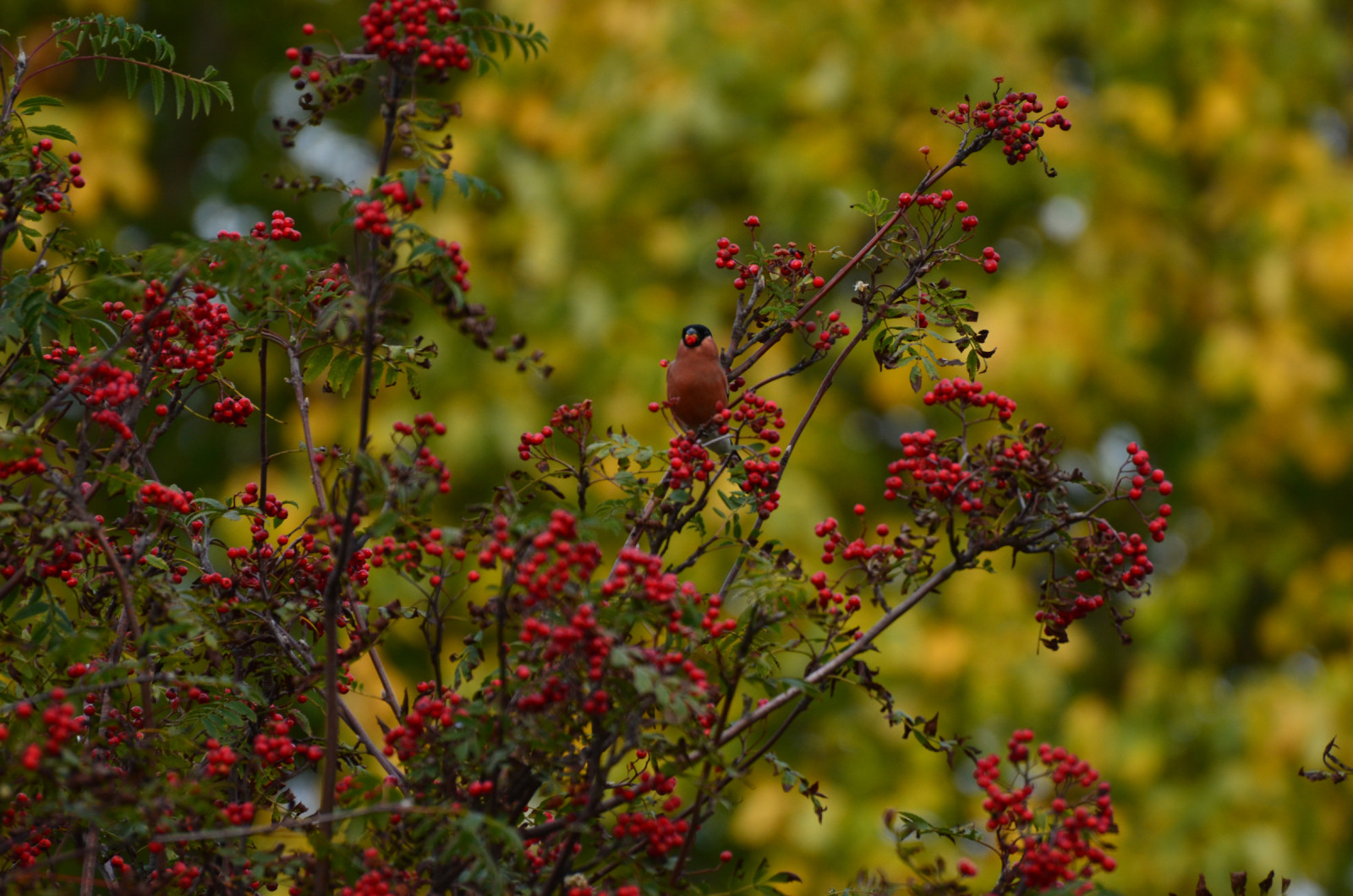
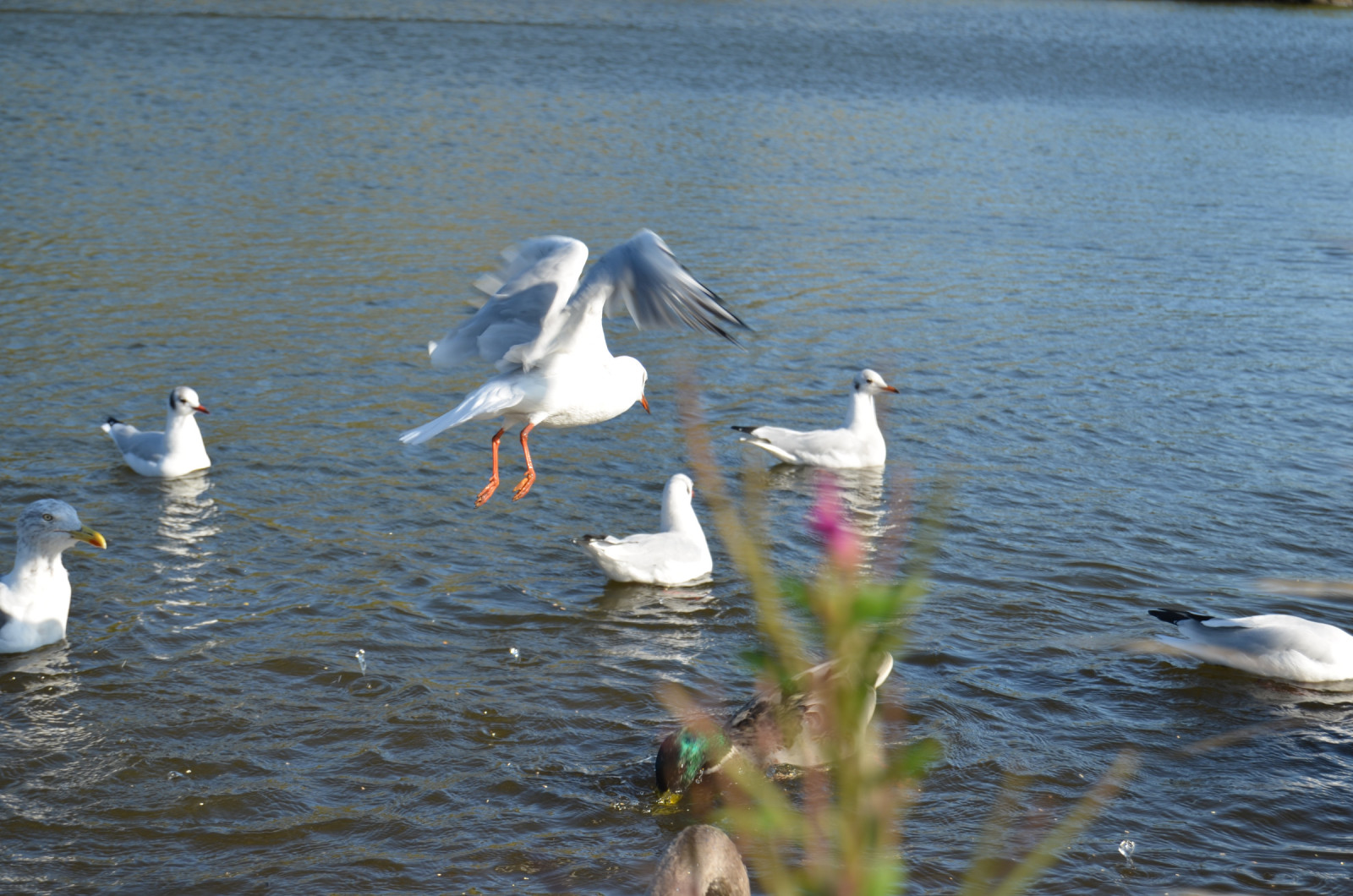
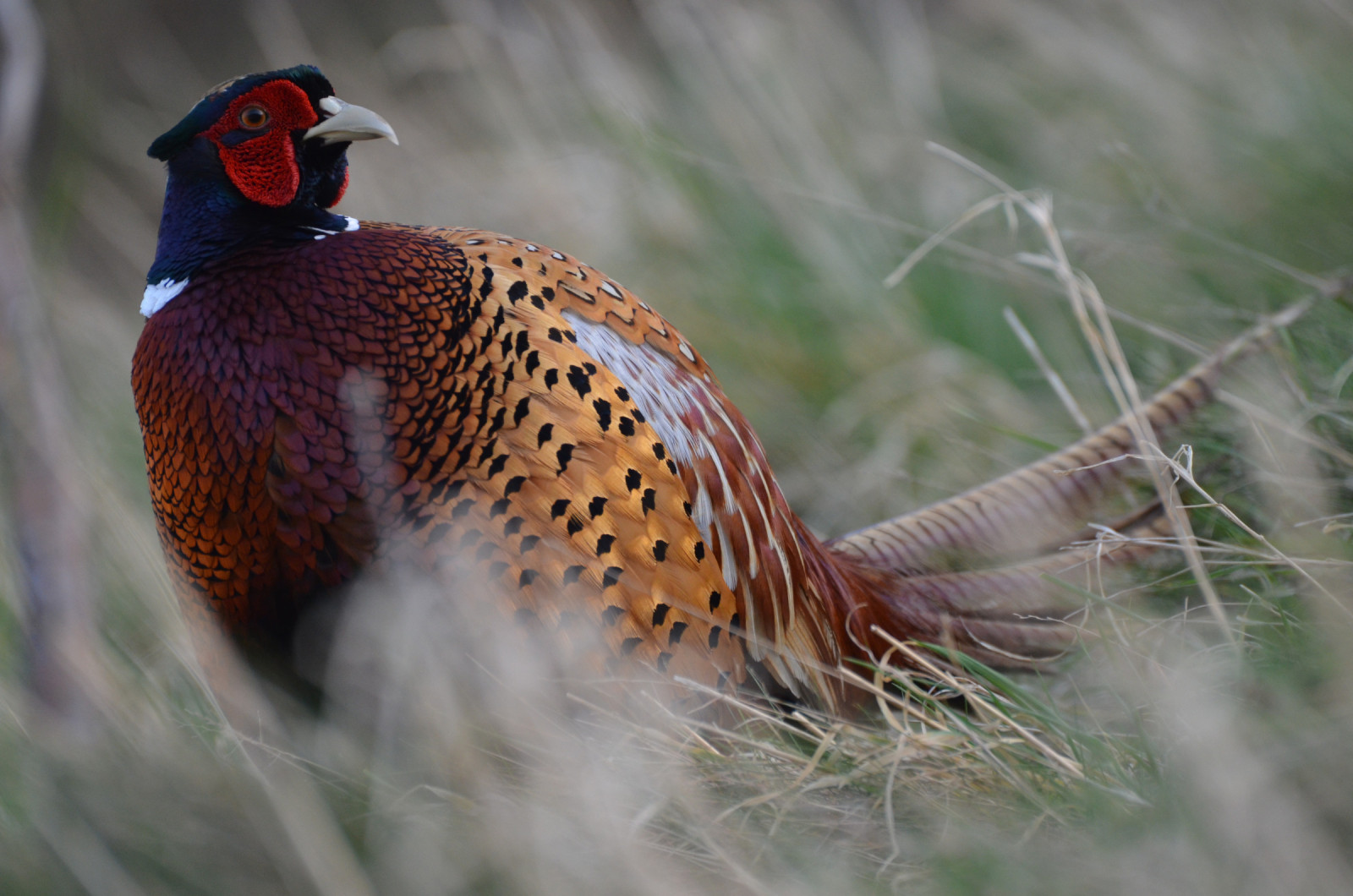
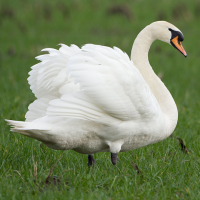
Holyrood is an ancient, now dormant, volcano at the centre of Edinburgh. It is covered in ruins from an old monastery that once existed here, some of which are still standing. Within the park are a variety of habitats, from lochs to grassy hillsides, to small woodlands, and even some wetlands. Just south of Holyrood is Duddingston, which is a rich wetland for birds (see separate entry on Birdingplaces). Holyrood is home to a multitude of Common Pheasant whose calls reverberate through the park, particularly in mating season. Greenfinch also make their home here, with dozens of pairs flitting about during spring and summer. The two lochs (Dunsapie and St Margaret) are home to Mute Swan, Greylag Goose, Black-headed Gull, and the always dressed for the occasion Tufted Duck. Winter geese are sometimes found in the lochs , including Pink-footed Goose.
During breeding season, a plethora of birds find sanctuary in Holyrood. Cygnets and ducklings are often found, while Eurasian Skylark, Common Starling, Jackdaw , and a variety of other species breed here. Holyrood is a rich environment for many bird species throughout the year.
Details
Access
Holyrood Park is located in the heart of Edinburgh, about 1 mile to the east of Edinburgh Castle. Paid parking can be found near the Palace of Holyroodhouse on the north end of Holyrood. Various paths connect to the road that wraps around the park. Though hilly, the road and sidewalk that encircle the park are accessible by bike, scooter, and wheelchair. The rest of the park is rocky, slippery and steep, thus not suitable for wheelchairs.
Walking around the main road of Holyrood will take about 45 tot 60 minutes depending on your pace. However, there is also Arthur's Seat at the centre of the park, which is a trek in of itself, taking about 40 minutes from bottom of the park to top, depending on your pace.
 ) to insert bird names in your own language. The birdnames will automatically be translated for other users!