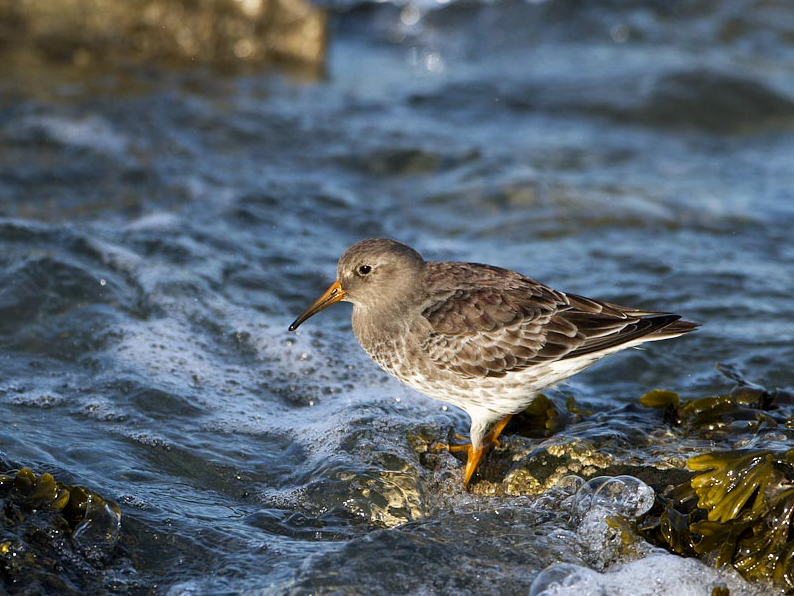
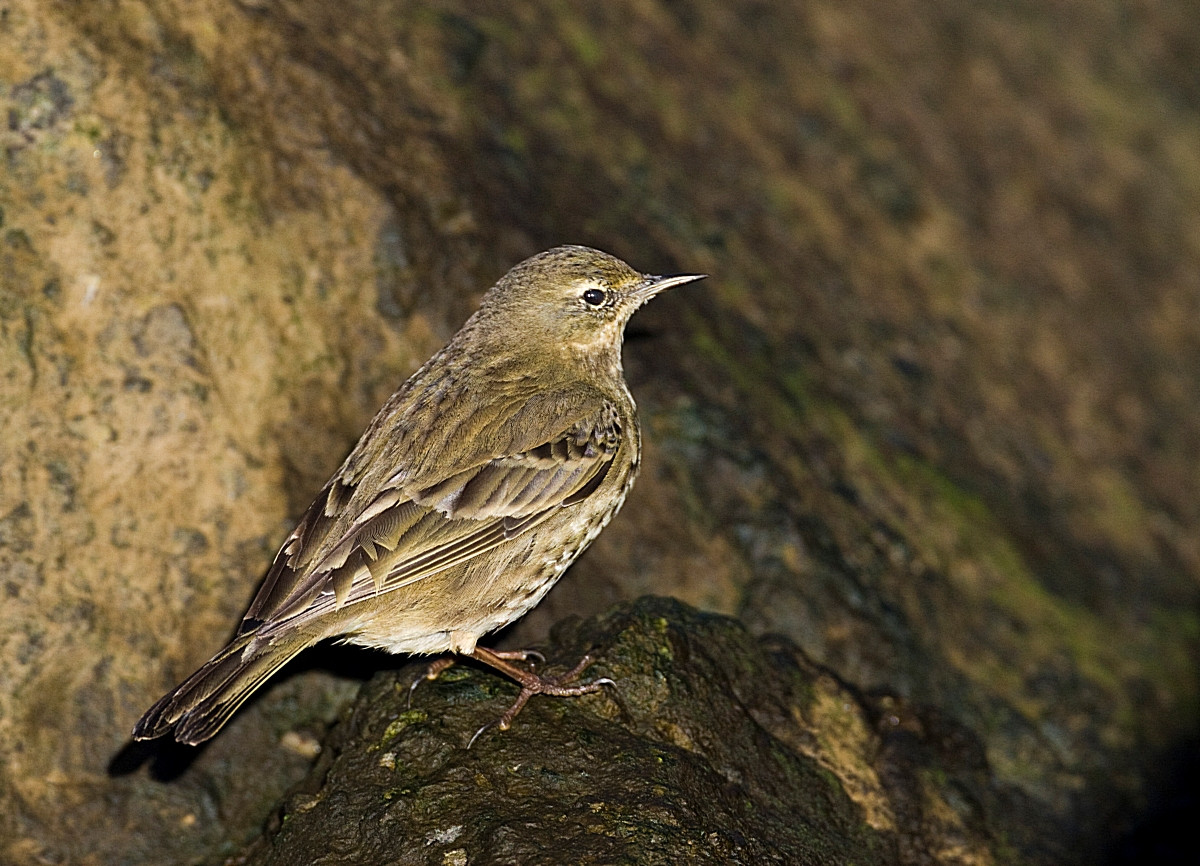
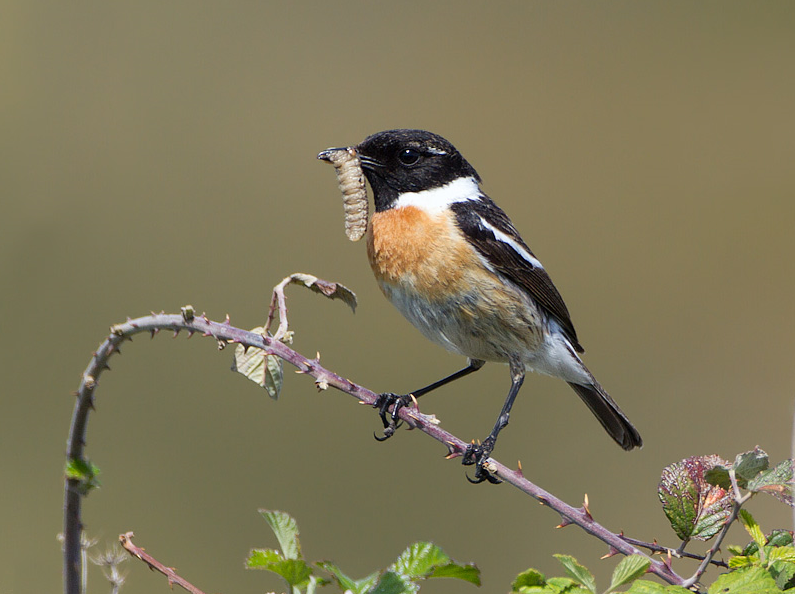
Description
The topography concentrates off-shore seabird passage and various unusual land and shore species can be seen. The west side of the Bill consists of sea cliffs and the land slopes down towards the south-east. The cliffs provide nesting places for Common Guillemot and Razorbill, which also congregate on the sea. The grassland and scrub south of the Coastguard buildings are worth patient inspection for resident and passage species.
The principal interest is from migration: this is an important landfall and departure point for spring and autumn migrations. If migratory rarities are the principal interest, it's recommended to monitor sightings before making the journey from the "mainland", otherwise there's usually something of interest and the location is exceptional.
Details
Access
The location is accessible by car or bus. There's a large carpark and a tourist shop. The area is best searched on foot and wheelchair access isn't always possible. The postcode of the Bird Observatory is DT5 2JT, the car park is further on.
Terrain and Habitat
Plain , Scattered trees and bushes , Grassland , Sea , City/villageConditions
Flat , Rocky , Open landscapeCircular trail
YesIs a telescope useful?
YesGood birding season
All year roundBest time to visit
Spring migrationRoute
Paved road , Wide path , Narrow trailDifficulty walking trail
Average walkAccessible by
Foot , BicycleBirdwatching hide / platform
NoExtra info
Visitors are welcome into the Bird Observatory, but it's not a right, people live here.
The nesting areas on the western sea cliffs are best viewed from north of the defence buildings - take care, the cliff edge is unfenced. There's an abandoned quarry near the cottages and Observatory where a Little Owl has been a reliable resident (as at 2021).
The area is popular with visitors, so expect shore birding to be interrupted by trippers. An early start is recommended to avoid crowds and parking stress.
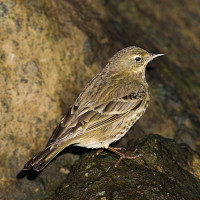
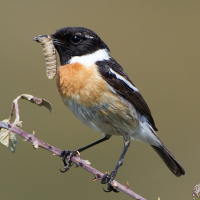
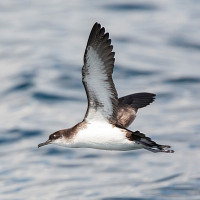
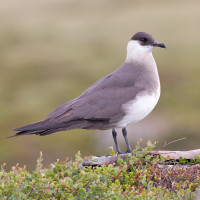
 ) to insert bird names in your own language. The birdnames will automatically be translated for other users!