Description
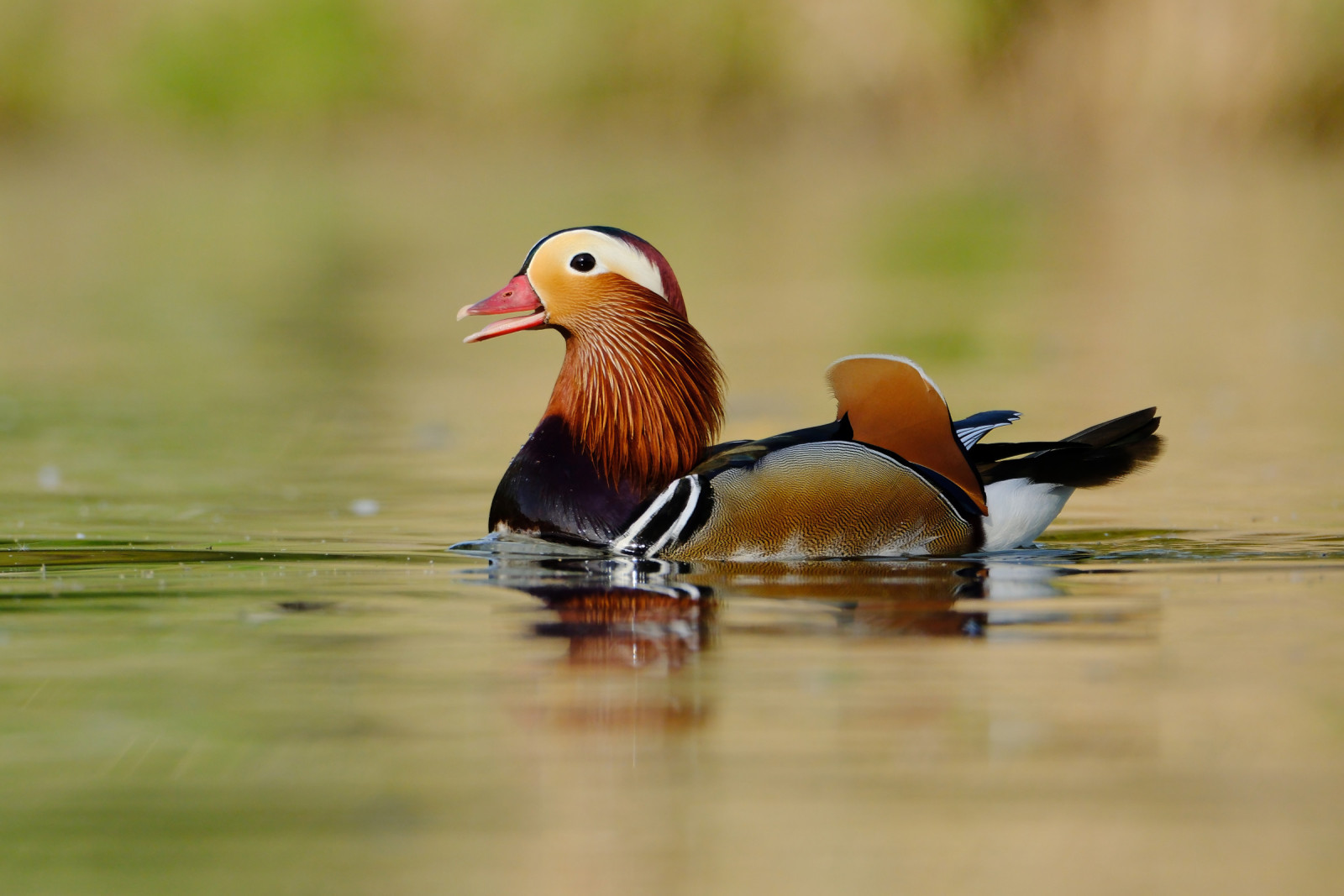
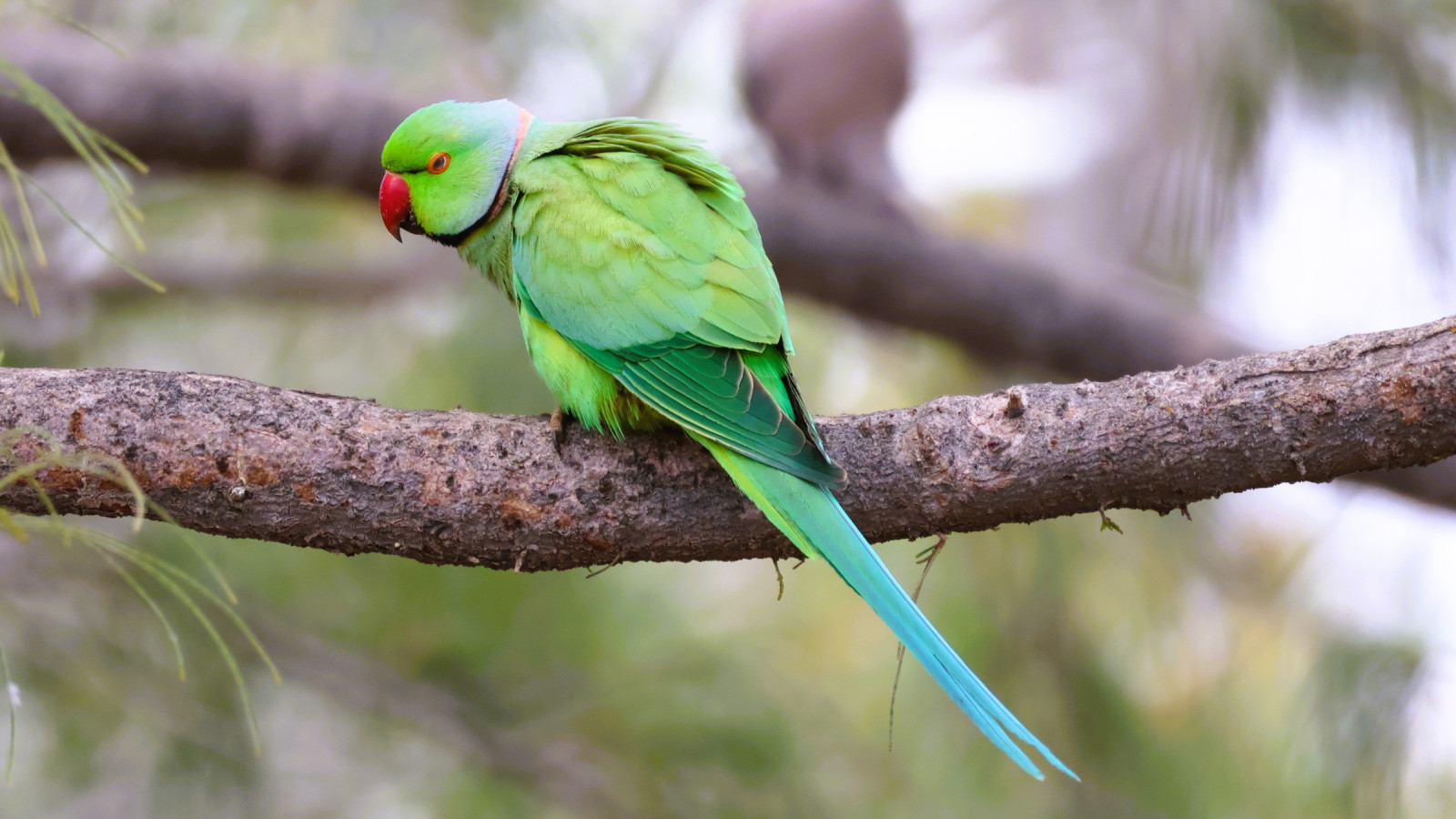
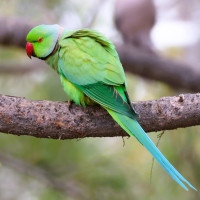
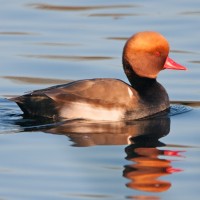
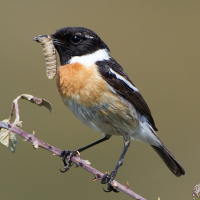
Richmond Park in London was created by Charles I in the 17th century. With 955 hectares it is the largest of London's Royal Parks. The park is a national nature reserve and a Site of Special Scientific Interest. Rose-ringed Parakeet have rapidly increased in recent years and their raucous cries are now one of the most commonly heard sounds of the park. Several ground nesting species that breed in the acid grassland of the park have suffered a serious national decline including Eurasian Skylark, Reed Bunting, European Stonechat and Meadow Pipit. The Grey Partridge is another threatened grassland bird that was once common in the park, however the last known breeding was in 1997. The common waterfowl found in the park consist of: Mute Swan, Canada Goose, Greylag Goose, Mallard, Mandarin Duck, Tufted Duck, Common Pochard, Red-crested Pochard and Northern Shoveler.
Details
Access
Richmond Park is open to vehicles from 7:00 am in the summer and 7:30 am in the winter. Vehicle gates close at dusk all year round. Pedestrian gates are open 24 hours except during the six week deer culls from November to early December and February to early March. During these months, pedestrian gates open at 7:30 am and close at 8:00 pm.
Richmond Park is accessible by public transport. By Tube / Train: Richmond Station - National Rail or District Line (and then catch the 371 or 65 buses to the pedestrian gate at Petersham). By Bus: 190 Hammersmith - Richmond, 391 Hammersmith - Richmond, 419 Hammersmith - Richmond, R68 Bushy Park and Richmond. By Car: Situated to the south-west of London, Richmond Park is easily accessible by car from local areas (e.g. Petersham, Roehampton and North Sheen). There is car parking available throughout the year, although spaces are limited - particularly at weekends and public holidays.
 ) to insert bird names in your own language. The birdnames will automatically be translated for other users!