Description
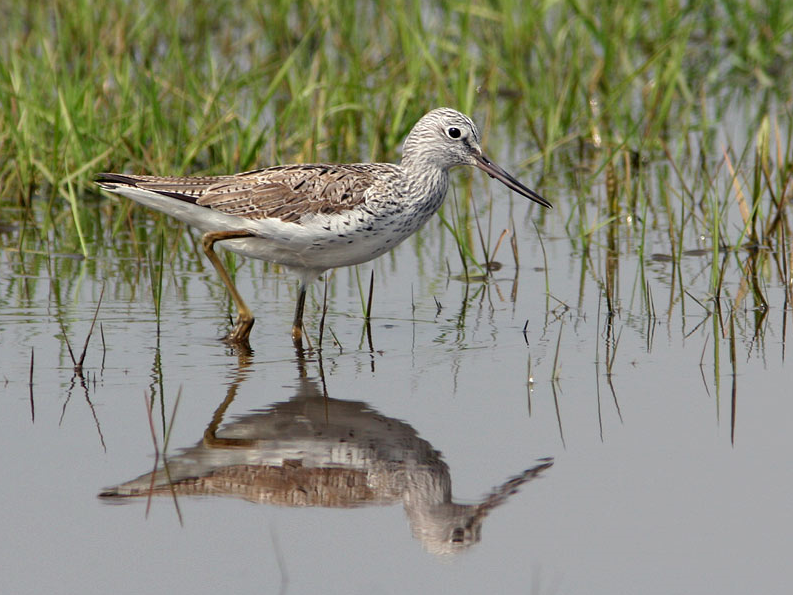
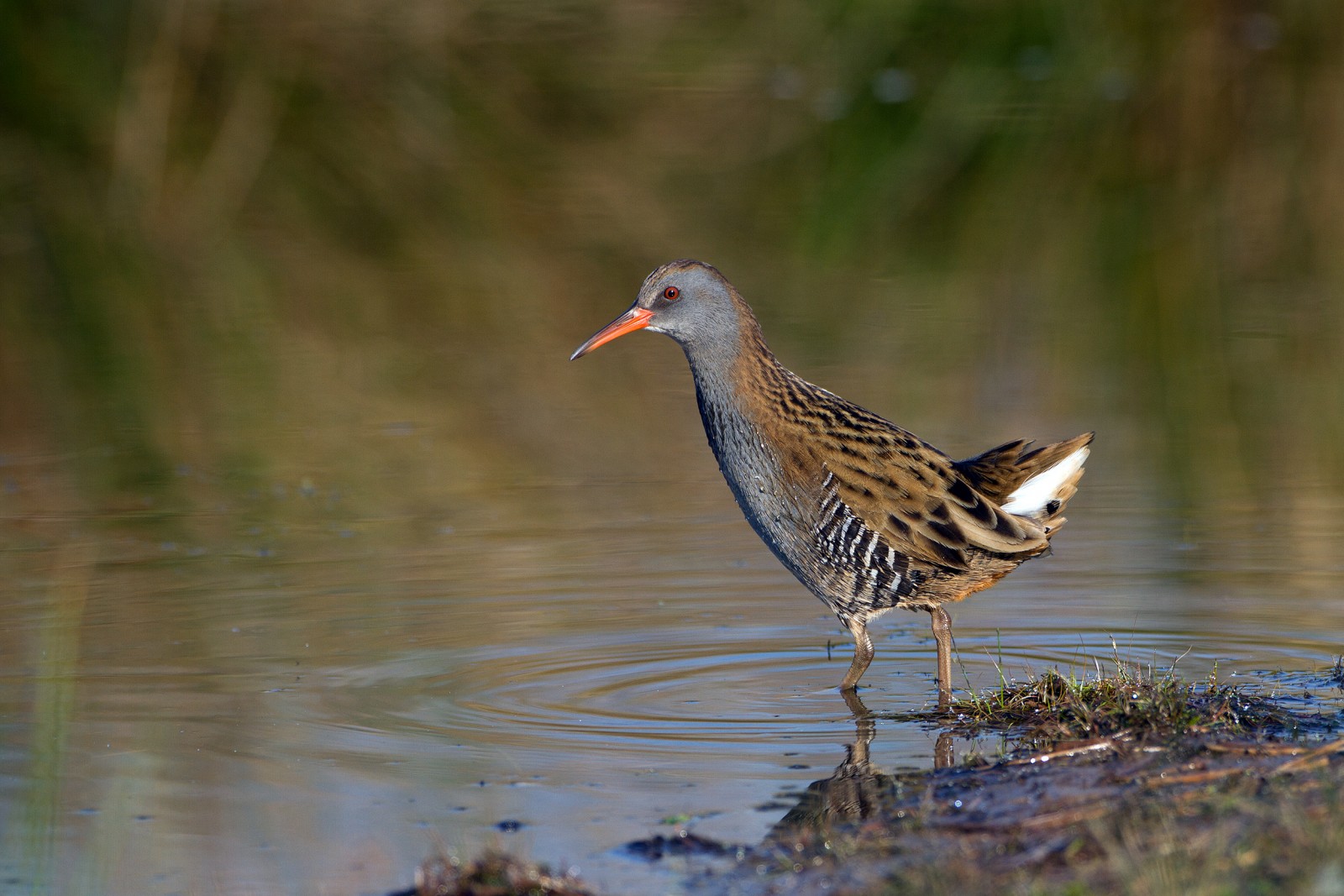
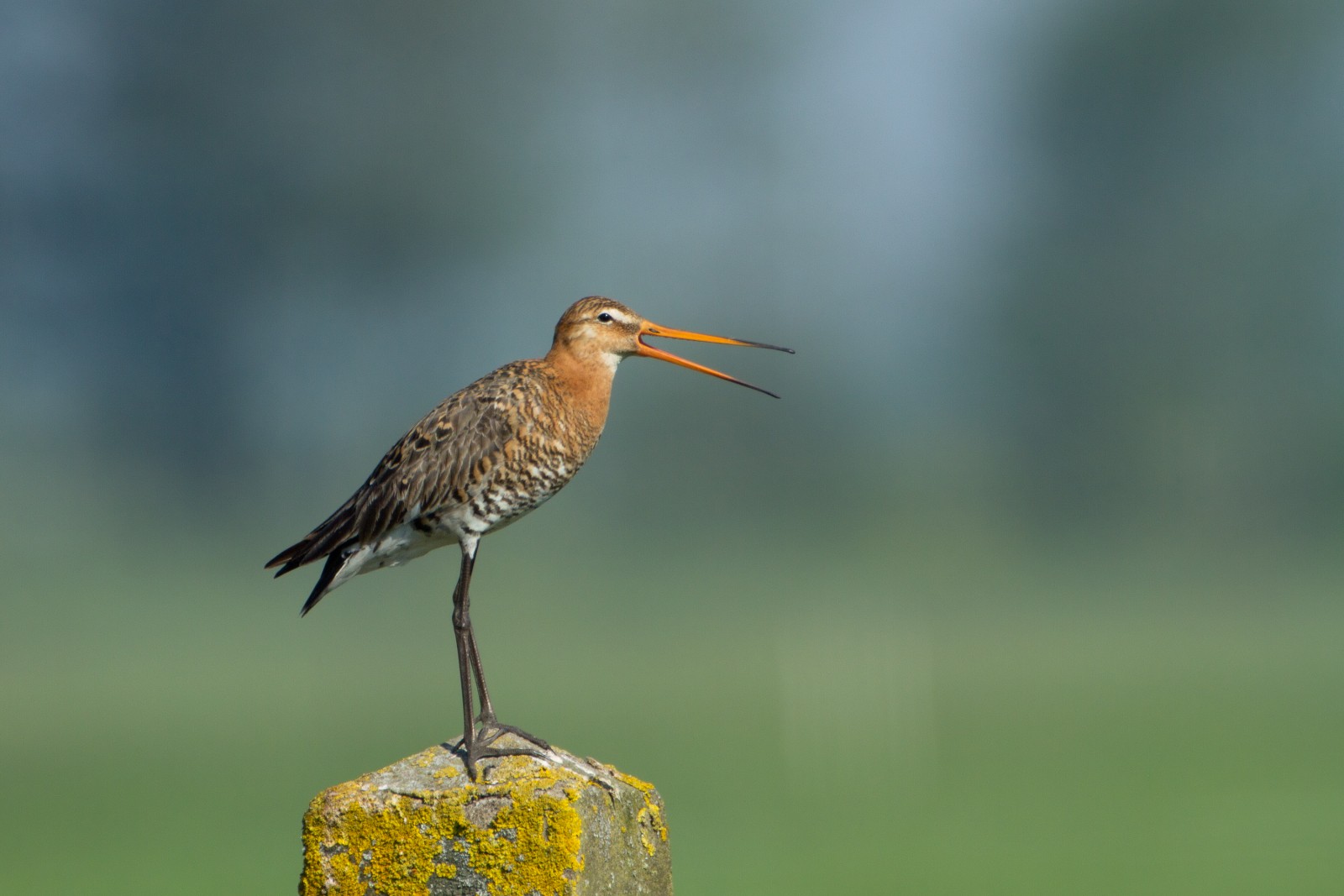
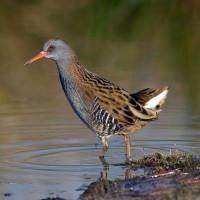
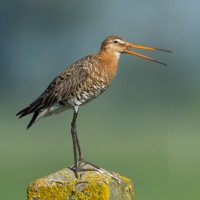
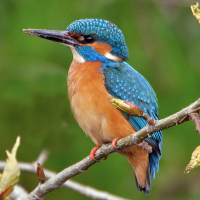
Almost two walks in one, with two potential starting points. An excellent mixture of habitats including tidal estuary, small woodland, saline pool, open fields and tree and shrub lined footpaths. The Tresillian River is a tributary of the River Fal, the estuary mud and sandbanks enable waders to continue to feed in shallow water close to high tide. Dunlin, Common Greenshank, Common Redshank, Eurasian Curlew, Common Sandpiper and Black-tailed Godwit are usual in Spring/Autumn/Winter (press STAR on map). A small woodland is good for Firecrest in Autumn/Winter, with Eurasian Nuthatch, Great Spotted Woodpecker and mixed flocks of Eurasian Blue Tit, Great Tit, Long-tailed Tit especially in Winter (press Star on map). Tresemple Pool has regular sightings of Common Kingfisher, with Water Rail and Common Snipe usually present along with calling Reed Warbler. At high tide a number of waders use Tresemple Pool as a high tide roost (press STAR on map).
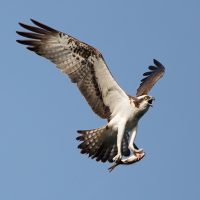
Be sure to check fields behind the pool for possible Cattle Egret amongst livestock (press STAR on map). In Spring Osprey are regularly seen hunting for Grey Mullet (Mugil cephalus) in the main estuary. In the small village of St Clement House Martin nest on the cottages. You can continue further South on a looping tree lined footpath that brings you back to St Clement. BE AWARE the footpath from the North starts off with a set of steps, for those less able/in wheelchairs use the St Clement car park for step free access.
The site has had some rarities. In 2015 Tresemple Pool had a Black-crowned Night Heron, in 2016 the main estuary had a Dalmatian Pelican.
Details
Access
Two starting places, in the North park in roadside layby on A390 (footpath starts with steps) or in the South in the village of St Clement (step free access). Press P on map for directions.
Terrain and Habitat
Scattered trees and bushes , Forest , Grassland , Wetland , Valley , Lake , Beach , Mud flats , City/village , Agriculture , Reedbeds , RiverConditions
Flat , High water possible , SlipperyCircular trail
YesIs a telescope useful?
YesGood birding season
Winter , Spring , AutumnBest time to visit
Winter , Spring migration , Autumn migrationRoute
Paved road , Wide path , Narrow trailDifficulty walking trail
EasyAccessible by
Foot , Bicycle , CarBirdwatching hide / platform
NoExtra info
As with most estuaries a visit 3 hours either side of high tide is preferable. See the link to the tides table below.
 ) to insert bird names in your own language. The birdnames will automatically be translated for other users!