
Description
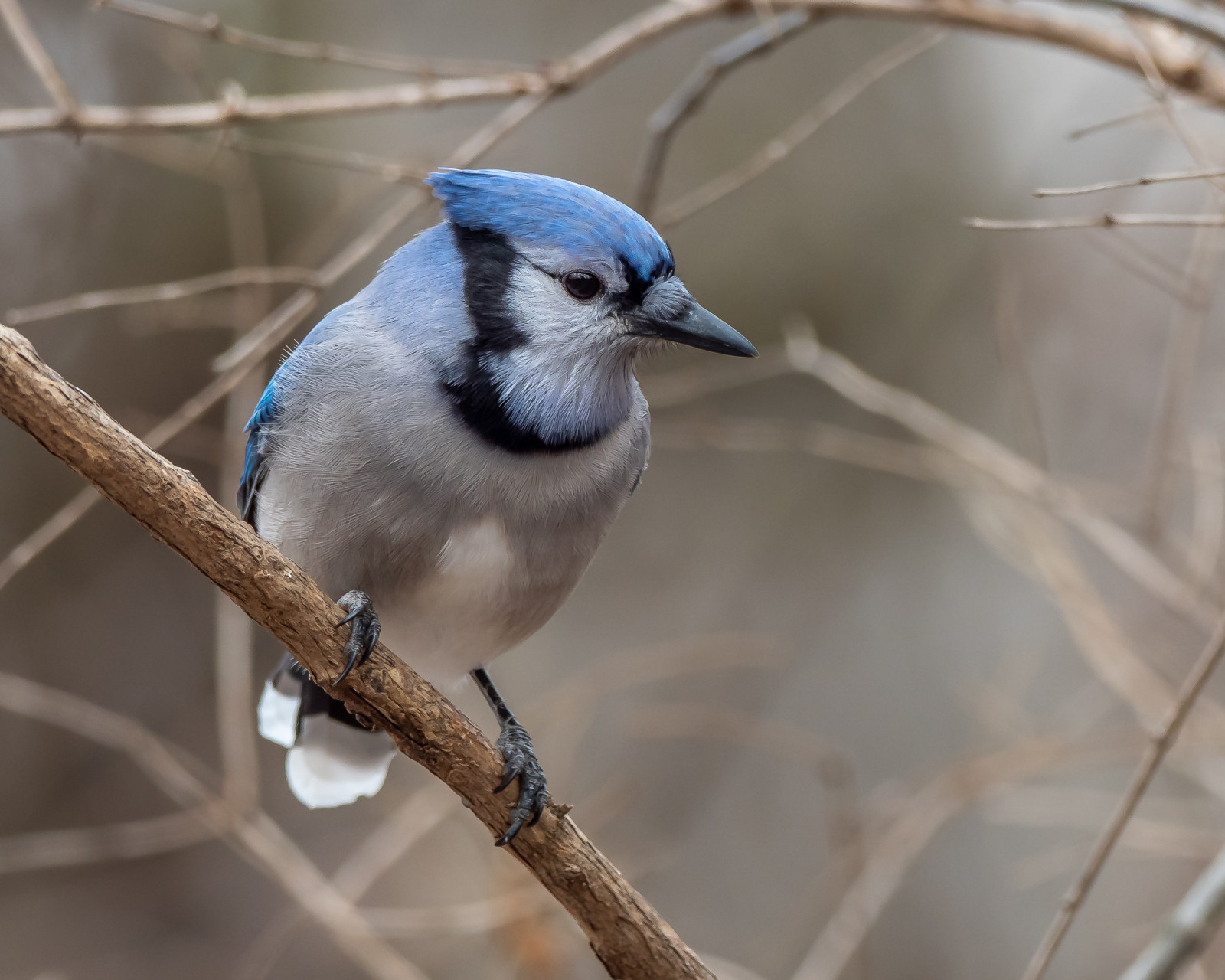
The Lakeshore Nature Preserve is a 300-acre natural area on the UW-Madison campus on the shores of Lake Mendota. The Preserve contains a number of different habitats (woodlands, marches, prairie, and open water), resulting in the presence of a wide range of bird species in a relatively small area. Over 255 bird species have been seen in the Preserve. During migration, a large number of passerine and waterfowl species can be seen, including rarities. The Preserve also supports a diverse breeding population.
Between end of April and en of May 30 or more species of warblers are usually observed in the area. Rarer warblers such as Hooded Warbler, Cerulean Warbler, Yellow-throated Warbler, Black-throated Blue Warbler, Prothonotary Warbler, Mourning Warbler and Connecticut Warbler are reported at least once most years.
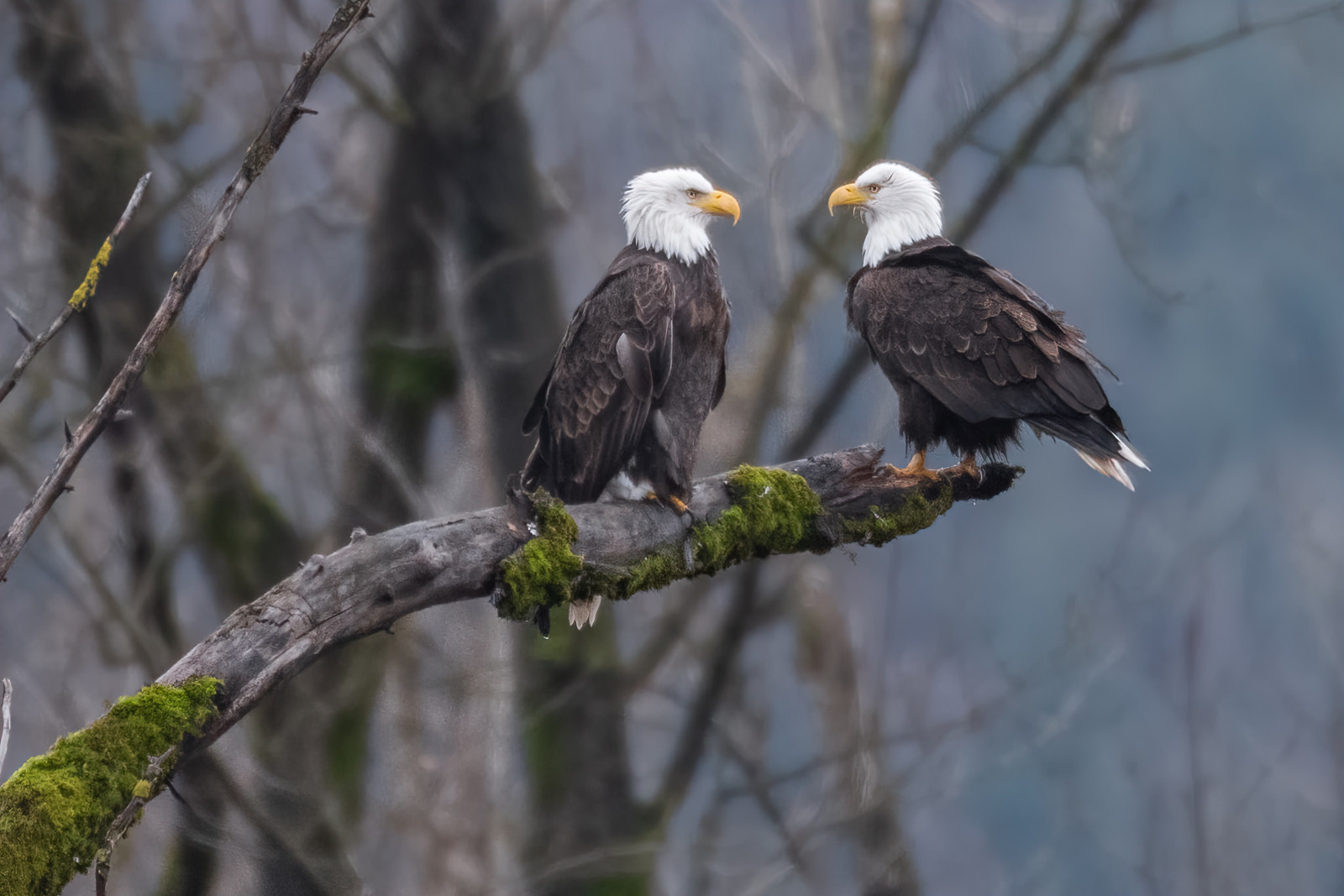
The Preserve has a nesting Sandhill Crane pair. They can often be observed dancing in the marshes in the early spring and feeding in the open areas with their chick. Bald Eagle can be seen in the Preserve in any month, although they are more common in the early spring and late fall when Lake Mendota is not completely frozen over.
Details
Access
Located just two miles west of downtown Madison, the Lakeshore Nature Preserve is easy to reach by car, bike, or public transport. Parking is available near to the entrance of the area. Press P on the map for directions to the parking. The fare-free UW campus bus route 80 stops just next to the entrance.
There are many trails to explore the area. The circular route shown on the map is about 2,8 mile.
 ) to insert bird names in your own language. The birdnames will automatically be translated for other users!