
Description
Loess Bluffs NWR spans over 7,400 acres and includes wetlands, forests, and grasslands that support a rich diversity of bird species. From Trumpeter Swan and Bald Eagle to countless songbirds and shorebirds. Its location within the Missouri River floodplain and proximity to Squaw and Davis creeks means the refuge is shaped by dynamic hydrology and erosion patterns, which have been mitigated over time through conservation efforts like grassed waterways and retention ponds.
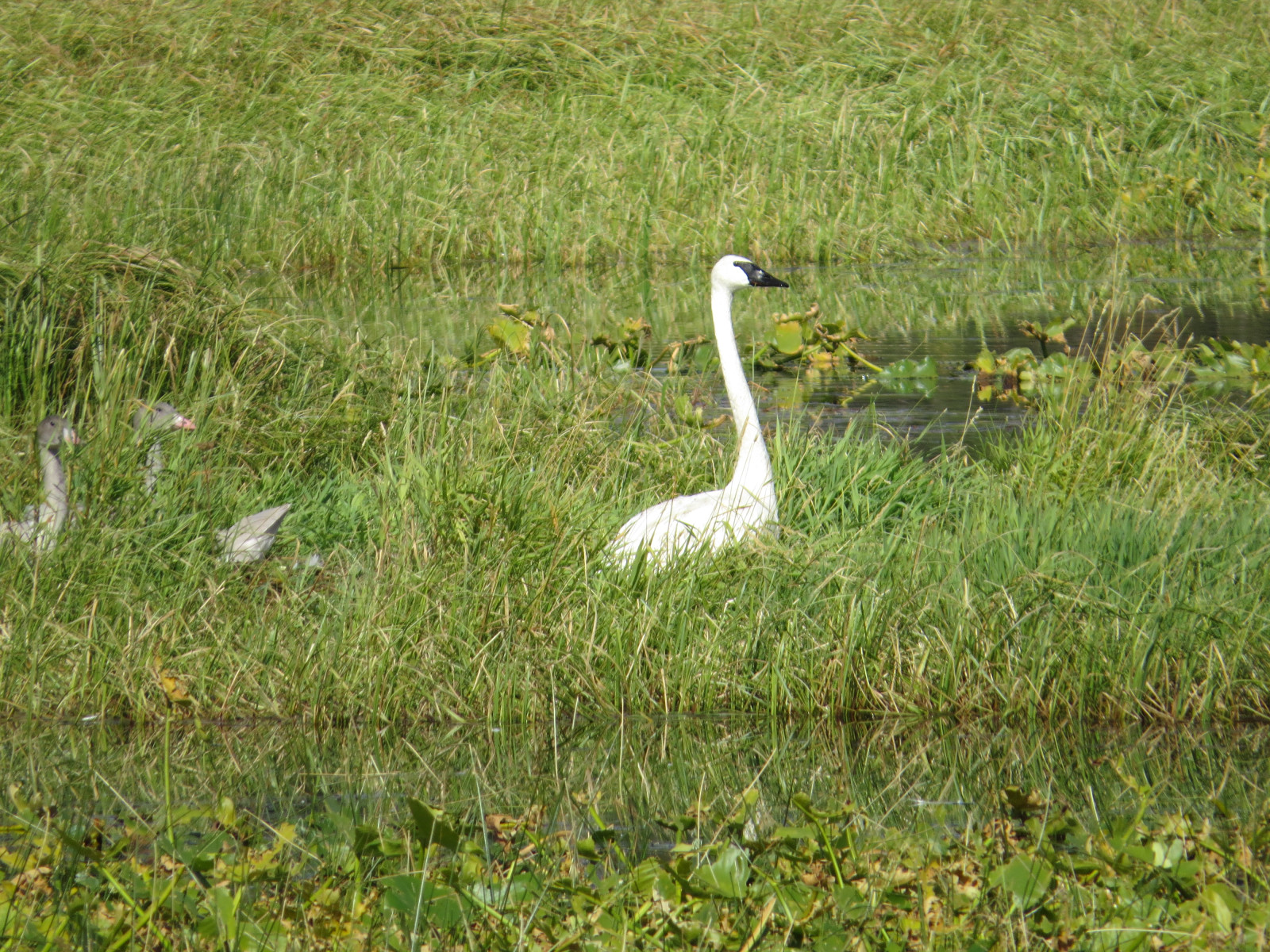
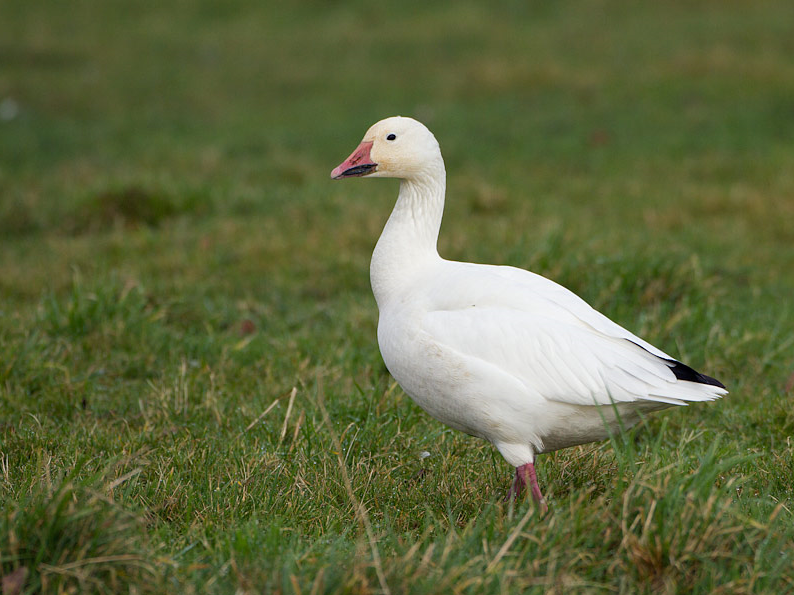
Loess Bluffs is one of the birding hotspots in Missouri. During spring migration the refuge is full of waterfowl, shorebirds, and passerines. In summer many great nesting species can be observed. Waterfowl arrives in the fall. Late fall is when the largest flocks begin to appear. Winter is maybe the best season at the refuge with masses of geese and swans. Flocks of over 1,000,000 Snow Goose have been reported in the refuge at a single time. Trumpeter Swan can number almost 2,000 individuals. Eagle Pool (1) is where the large numbers of geese and swans can be found.
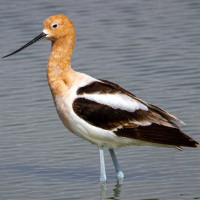
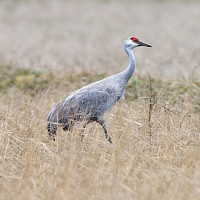
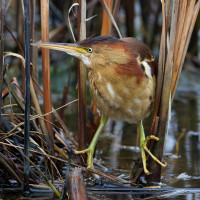
Other notable birds include: Sandhill Crane, Black-necked Stilt, Black-bellied Plover, American Golden Plover, Hudsonian Godwit, Marbled Godwit, Stilt Sandpiper, Sanderling, Baird's Sandpiper, White-rumped Sandpiper, Wilson's Phalarope, Red-necked Phalarope, American Bittern, Least Bittern, Black-crowned Night-Heron, Bald Eagle, Bell's Vireo, Purple Martin, LeConte's Sparrow, Swamp Sparrow, Rusty Blackbird, Prothonotary Warbler, Kentucky Warbler, Magnolia Warbler, Summer Tanager, Scarlet Tanager, Blue Grosbeak and Dickcissel.
Details
Access
Loess Bluffs National Wildlife Refuge is located in northwestern Missouri near Mound City. The refuge is 30 miles northwest of St. Joseph, 100 miles north of Kansas City and 100 miles south of Omaha (Nebraska). Take Interstate 29 to Exit 79 just south of Mound City, then travel south 2.5 miles on U.S. Highway 159. Press a P on the map for directions to a parking.
There is no charge to visit Loess Bluffs NWR. Restrooms are available inside the refuge headquarters and visitor contact station during operation hours. At the comfort station in the headquarters parking lot during all hours. Best way to explore the refuge is by driving the 10-mile Wild Goose Auto Tour, a one-way loop that offers year-round birdwatching opportunities. The Mallard Marsh Auto Tour (2) connects to the Wild Goose Loop. There are also several walking trails inside the refuge.
 ) to insert bird names in your own language. The birdnames will automatically be translated for other users!