Description
Milford Point is a large sandbar that extends west into the outflow of the Housatonic River into Long Island Sound, providing access to multiple coastal habitat types in a small, easily walkable area. Birding is generally divided into three main sections: the tidal wetland to the north, forest and scrub on the sandbar itself, and the coastal sand spit extending west into Long Island Sound.
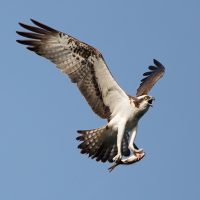
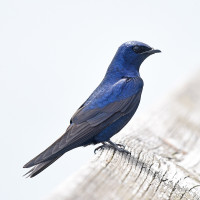
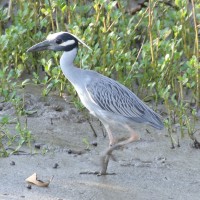
The tidal wetland, part of the Charles Wheeler WMA, provides excellent habitat for saltmarsh specialists. A small viewing platform is accessible from the parking lot, with a nearby Purple Martin nesting colony. Other common nesting species here include Osprey, Willet, and both Black-crowned Night Heron and Yellow-crowned Night Heron. Depending on tide, large open mudflats can be scanned for migrating shorebirds. In winter, ducks and geese can be common, with species including Brant, Mute Swan, Green-winged Teal, Northern Shoveler and American Black Duck.
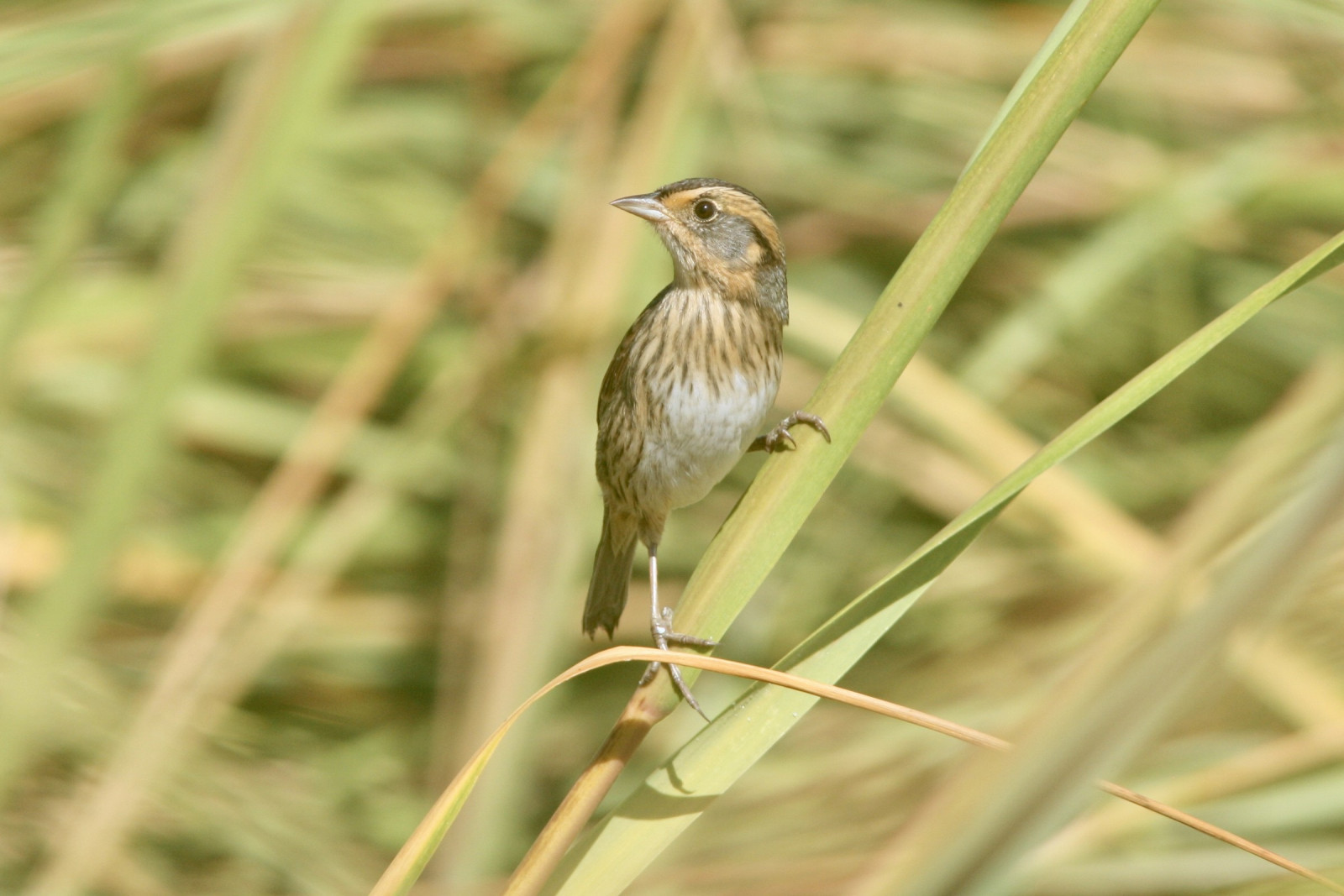
The short forest surrounding the parking lot and visitor's center can be productive for songbirds during spring and fall migration. Migrating warblers, vireos, thrushes, flycatchers and sparrows can be recorded in good numbers during favorable conditions, particularly in September and October when coastal fog or storms prevent migration across Long Island Sound. The outer sandbar is the main birding attraction at Milford Point, and one of the state's most productive shorebirding sites. A small boardwalk connects the main trail to the beach itself, and visitors can walk all the way to the western tip of the sand spit, tide permitting. A small lagoon is formed in the protected area behind this spit, which can be productive for Brant, Snowy Egret, various ducks, shorebirds (at low tide) and both Saltmarsh Sparrow and Nelson's Sparrow during fall migration.
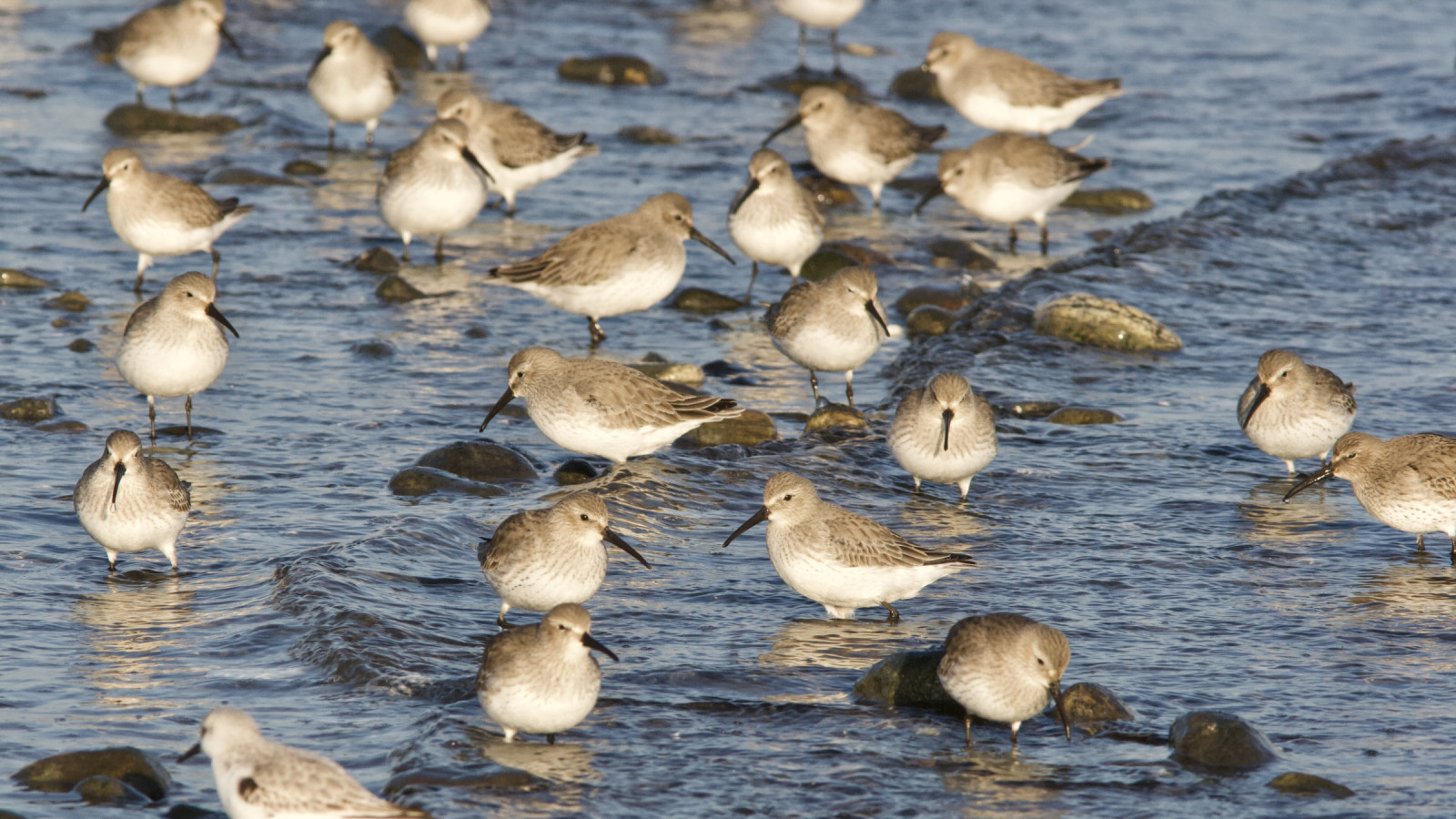
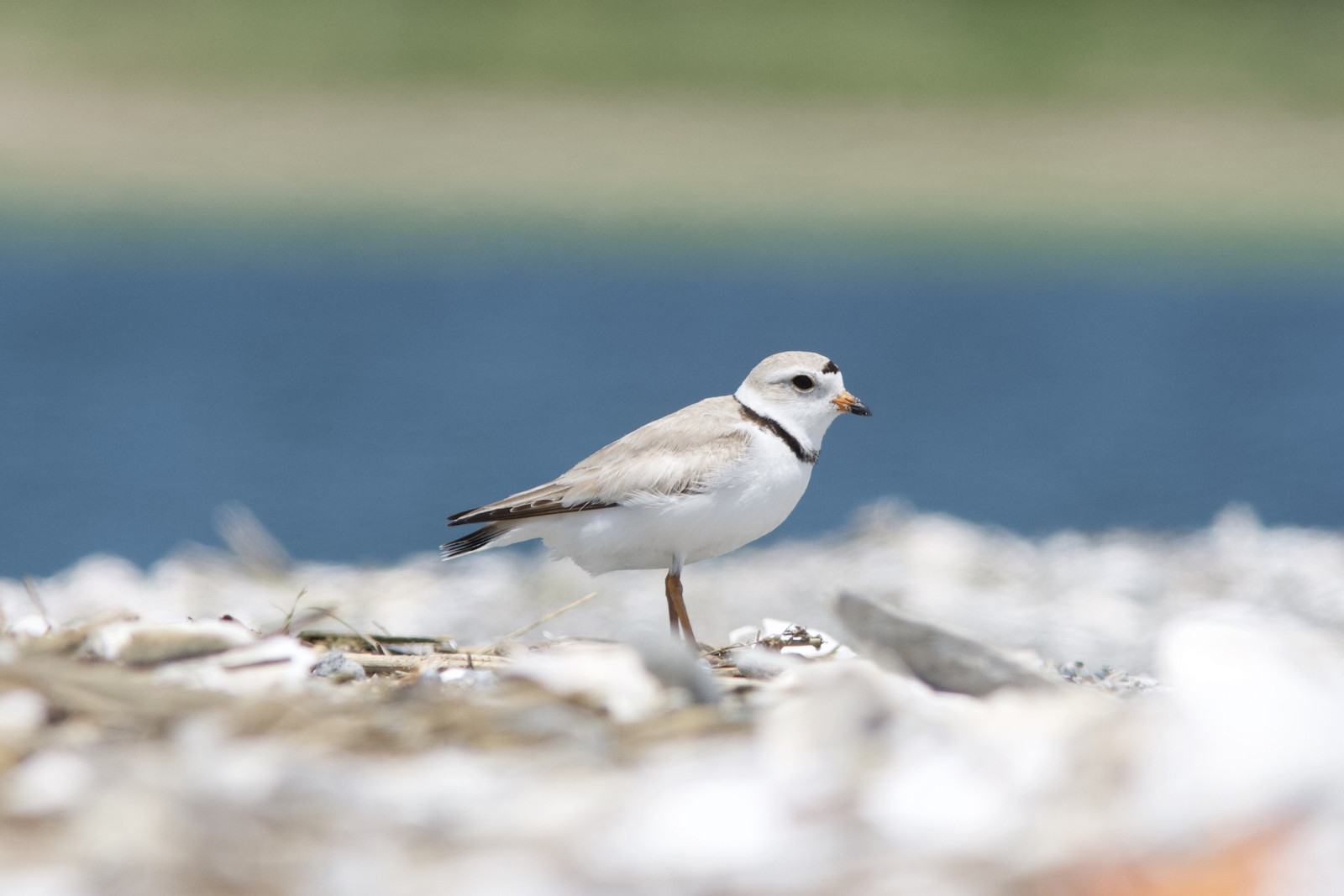
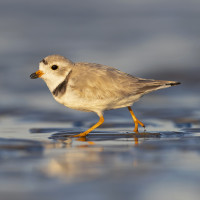
From late spring through autumn, shorebirds congregate on the outer shore of the large sandbar: over 40 species have been recorded at the site, including several state- and national-level rarities. Expected species here in warmer months include Black-bellied Plover , American Oystercatcher , Semipalmated Plover, Semipalmated Sandpiper , Least Sandpiper , Sanderling , Dunlin , Ruddy Turnstone , Greater Yellowlegs and Short-billed Dowitcher. Nesting Least Tern and Piping Plover are present in summer. Always be careful when walking on the beach to avoid disturbing these endangered species.
Careful searching during migration can produce scarce but regular species such as White-rumped Sandpiper, American Golden Plover, Whimbrel, Red Knot, Western Sandpiper, Roseate Tern and Royal Tern. In winter, sea ducks such as Long-tailed Duck, Bufflehead, Common Goldeneye and Red-breasted Merganser, often joined by Common Loon, Red-throated Loon and Horned Grebe. Large flocks of winter gulls can contain Iceland Gull and occasionally Glaucous Gull.
Details
Access
The Coastal Audubon Center is located at the end of Smiths Point Road in Milford, Connecticut. Press P on the map for directions to a parking spot. A car or bicycle is required to access the location, and during high tide, shallow water may cover portions of the entrance road. Birding itself is done on foot, and about 2 km of walking in soft sand is required to reach the end of the outer sand spit.
 ) to insert bird names in your own language. The birdnames will automatically be translated for other users!