 Wikimedia Commons.jpg)
Description
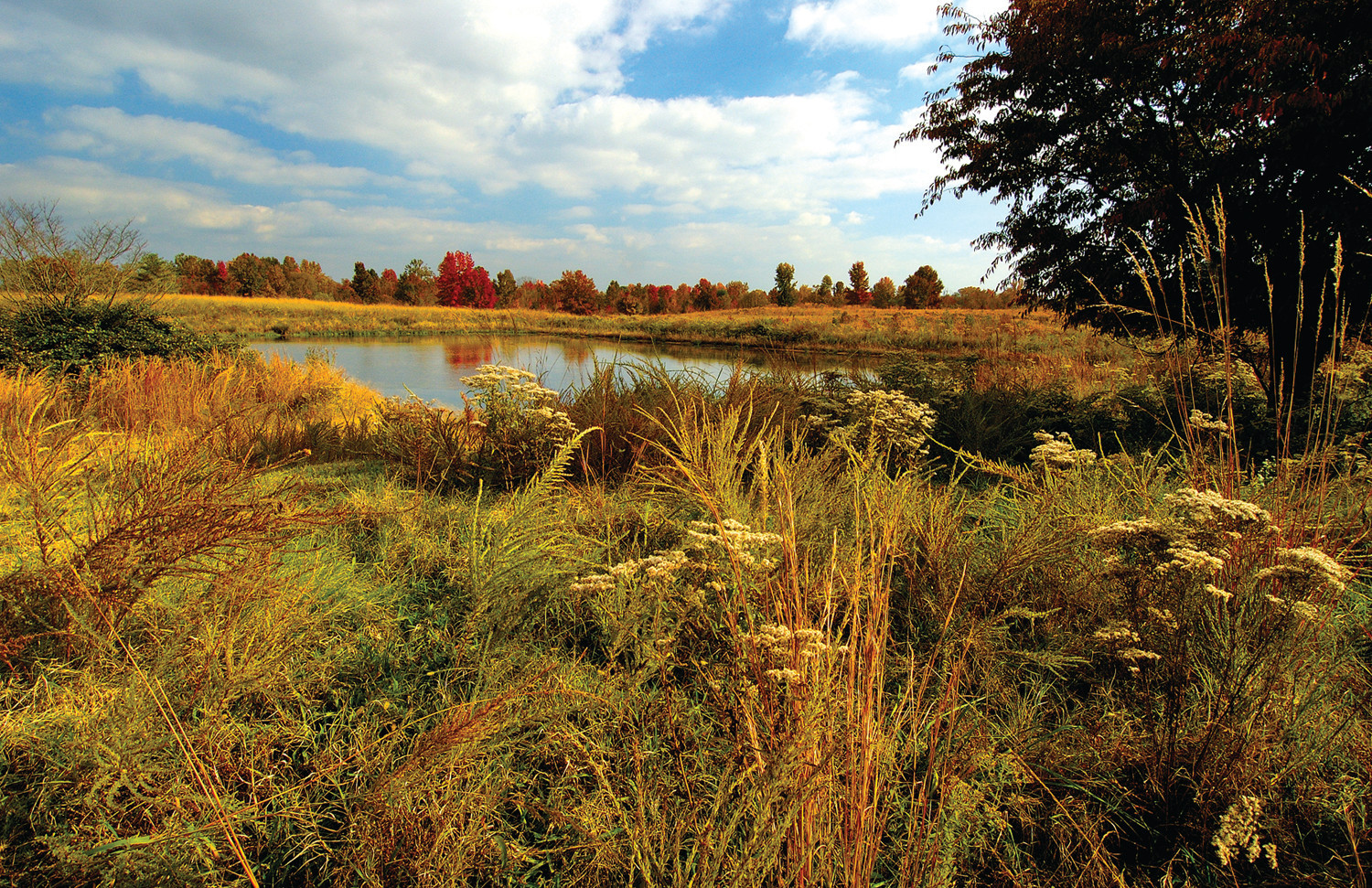
Occoquan Bay National Wildlife Refuge is located where the Potomac River meets the Occoquan River. The refuge's diverse grassland, marsh, and forest habitats attract a variety of songbirds, raptors, and waterfowl. At 642 acres, the refuge has 4 miles of trails, an information center, interpretive kiosks, a photography blind, a gazebo, and two pavilions.
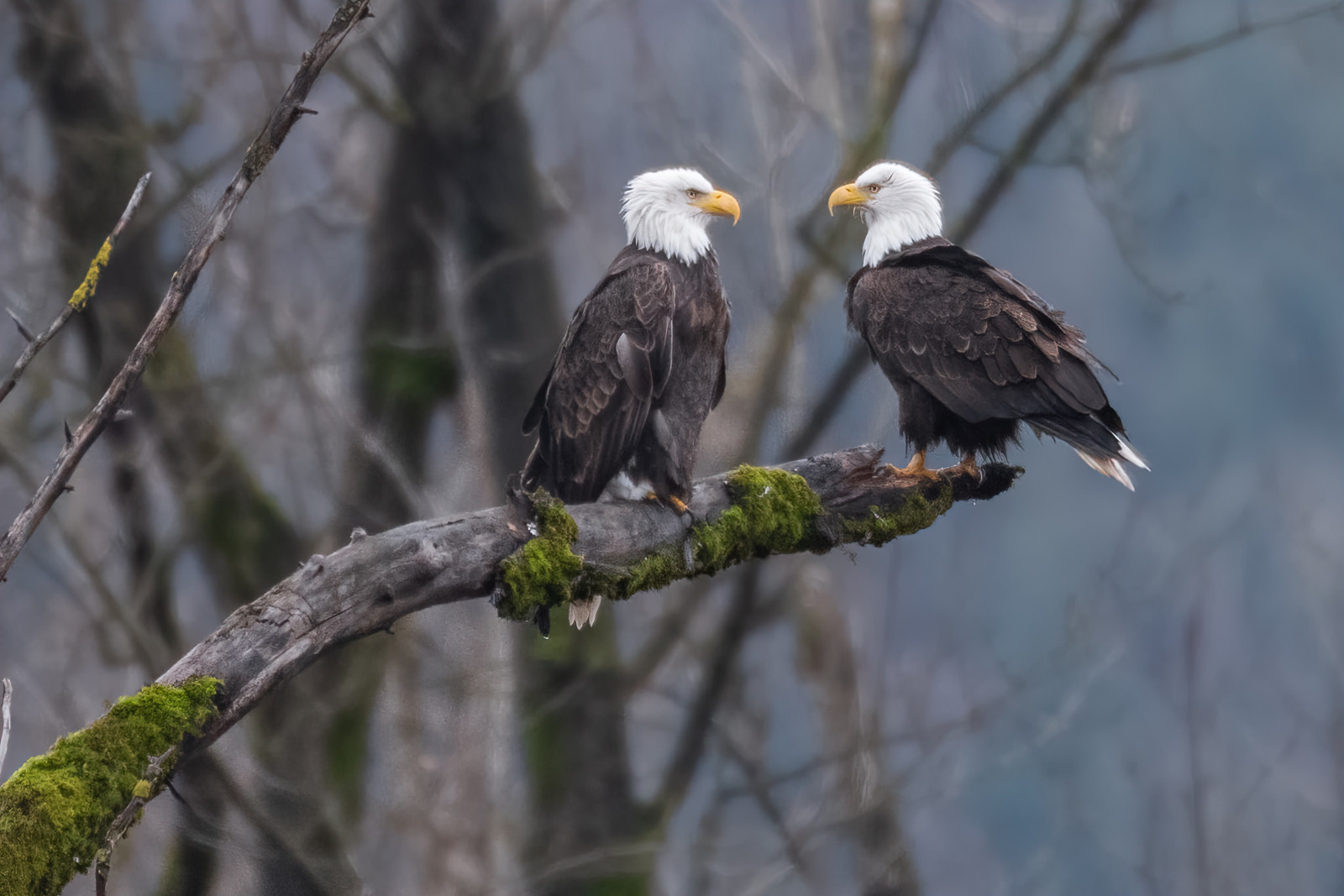
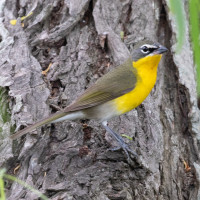
In the winter, there is waterfowl to be seen in the bay. It is a stopping point for many birds during spring and fall migration. In the summer, many birds nest there, including Yellow-breasted Chat and Blue-grey Gnatcatcher. It is a breeding site for Bald Eagle.
Grassland/open-country breeding birds like Eastern Meadowlark, Indigo Bunting, Field Sparrow, Red-winged Blackbird and American Goldfinch arrive at the end of April. Raptors migrate through the Refuge in April and May. Waves of migrating songbirds, especially warblers, vireos, thrushes, and flycatchers pass through in May and again in late summer and early fall.
Details
Access
Occoquan Bay National Wildlife Refuge is located in Woodbridge, Virginia. From Washington, D.C take I-395 S. Merge onto I-95 S. Take exit 161 for US-1 S toward Woodbridge. Continue on US-1 S and turn left onto Dawson Beach Rd. Follow Dawson Beach Rd to the refuge entrance. Press P on the map for directions to the parking.
The refuge is open 365 days a year, hours vary based on season. October 1-March 31 7am-5pm, April 1-September 30 7am-7pm. There is no entrance fee.
Approximately 4 miles of flat, gravel roads are reserved for foot traffic only, and provide access to forests, wetlands, and open water. These trails are accessible from the main parking lot. The wildlife drive is a one way, 2 mile loop that guides visitors through a variety of habitats within the refuge. This loop is open to foot traffic, vehicles and bicycles. The wildlife drive and walking trails are subject to seasonal closures to minimize stress on nesting and breeding wildlife or to facilitate land management activities.
 Wikimedia Commons.jpg)
 ) to insert bird names in your own language. The birdnames will automatically be translated for other users!