
Description
Pee Dee NWR contains a wide variety of Piedmont ecosystems, spanning over 8,500 acres. This refuge was orginally created to preserve wild Canada Goose and waterfowl flocks, and parts of the refuge are closed during the winter to allow waterfowl to exist in peace. This refuge spans two counties, with the majority of the refuge in Anson County and a smaller portion north of the river in Richmond County.
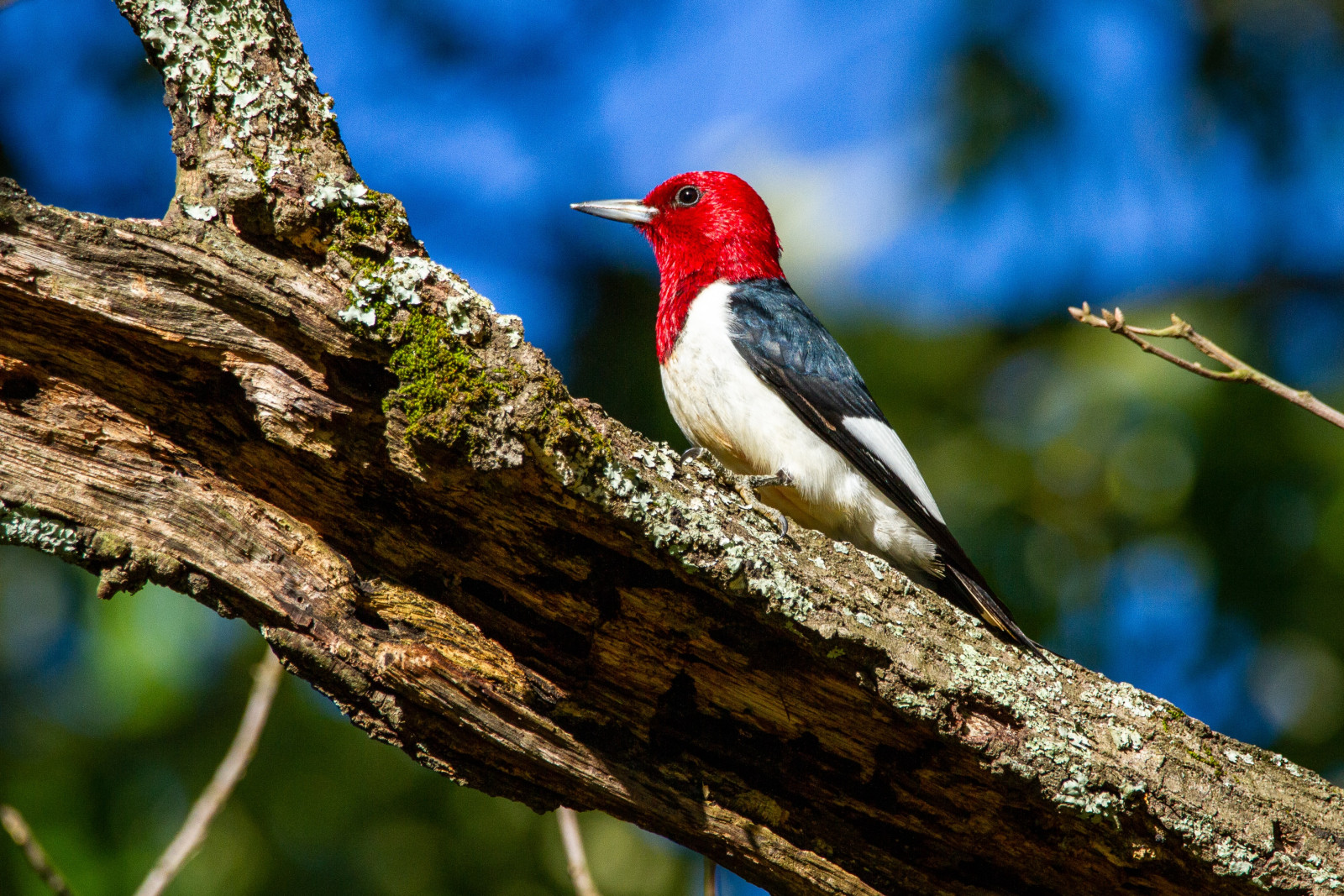
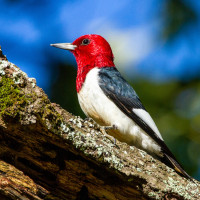
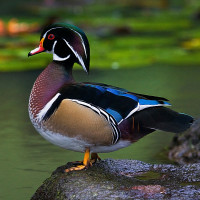
Birding is good year-round here, with a good day of birding amounting to 60-80 species. Year-round species include Red-headed Woodpecker, Northern Bobwhite, Pileated Woodpecker, Barred Owl, Wood Duck, and Brown-headed Nuthatch.
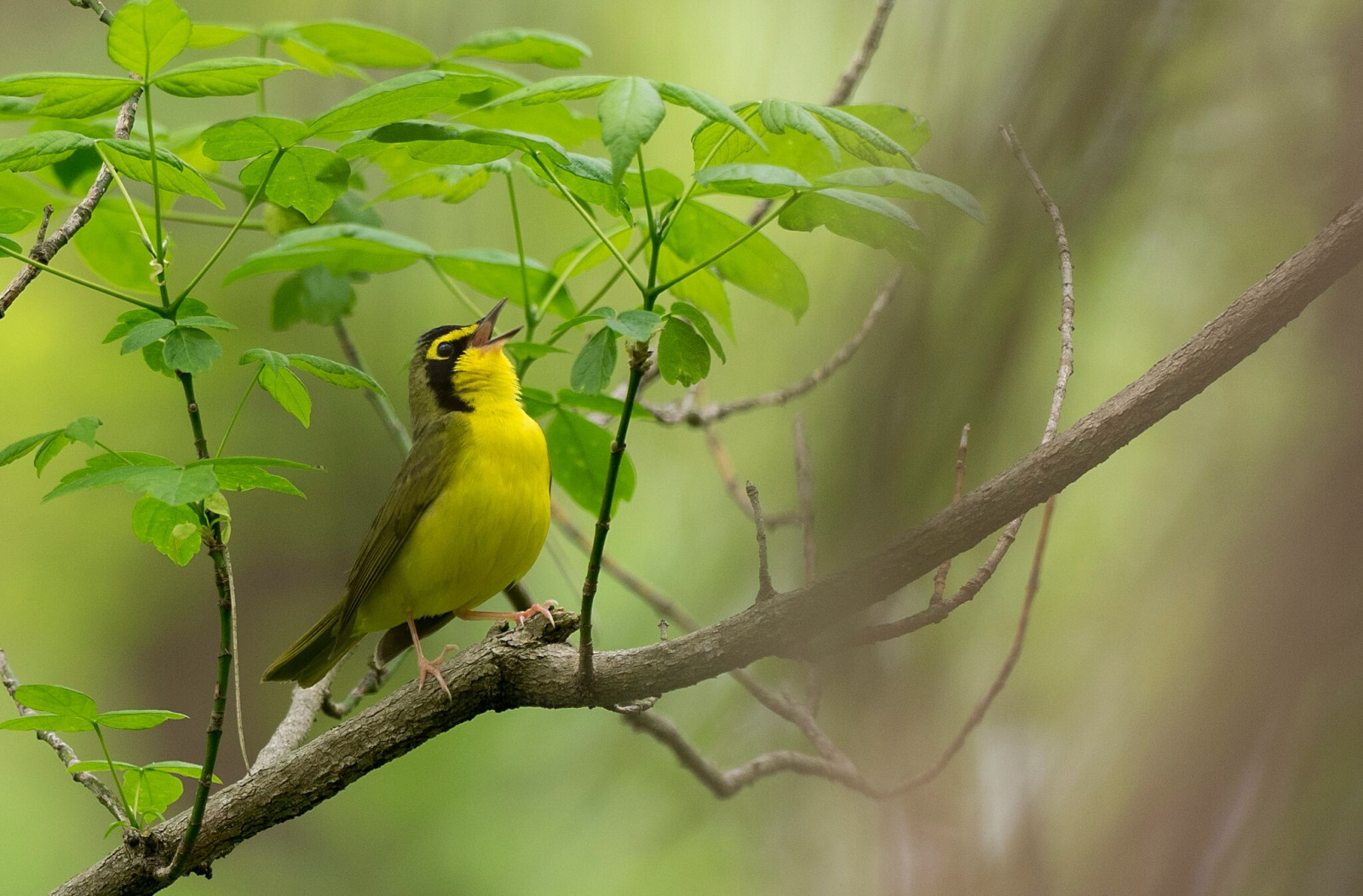
Spring and summer have the greatest variety of species, especially in May. This site is one of the best places to find Swainson's Warbler and Kentucky Warbler in the Piedmont. Prothonotary Warbler is abundant in the warm months. Other warm-season breeders include Summer Tanager, Acadian Flycatcher, Louisiana Waterthrush, Orchard Oriole, Prairie Warbler, Hooded Warbler, and Blue Grosbeak. In July and August, during post-breeding dispersal, it is possible to find species such as Solitary Sandpiper, White Ibis, Little Blue Heron, Anhinga, and potentially rarer species like Wood Stork or Tricolored Heron. Also in the late summer, keep your eyes peeled for groups of Mississippi Kite as they have been increasing rapidly.
Fall migration is still interesting, especially when sparrows arrive. In the cooler months, the species of interest often shift towards ducks - Hooded Merganser, Ring-necked Duck Northern Shoveler, and Gadwall are more regularly occuring than other species, but any ducks may appear throughout the cooler months. Unfortunately, duck abundance and diversity vary a lot between years and in warmer winters there may be very little. Other wintering species of interest are Rusty Blackbird, Black-and-white Warbler, Blue-headed Vireo, Vesper Sparrow, Fox Sparrow, and Winter Wren.
Details
Access
Pee Dee National Wildlife Refuge is located on US Highway 52 North, six miles north of Wadesboro, NC. Access is only possible by car, but once you are there, you can walk or bike refuge roads. Driving Directions: From Charlotte, NC: Take US Hwy. 74 East approximately 50 miles to Wadesboro, NC. Turn left on U.S. Hwy. 52 North, and proceed 6 miles. The Refuge Office will be on your right. From Albemarle, NC: Take US Hwy. 52 South for 22 miles. The Refuge Office will be on your left. From Rockingham, NC: Take US Hwy. 74 West approximately 19 miles to Wadesboro, NC. Turn right on US Hwy. 52 North, and proceed 6 miles. The Refuge Office will be on your right.
The above directions will lead you to Wildlife Drive, which forms a loop. This is where typically most birders start. To access Arrowhead Lake and the Gaddy Covered Bridge: if leaving from the entrance of Wildlife Drive, turn right onto Hwy 52 heading north. After 4.3 miles, turn right onto Grassy Island Road. Stay on Grassy Island for 3 miles. You will come across a "crossroads" of 2 gravel roads. If you turn right, you will head towards Arrowhead Lake. If you turn left and follow the sign for Gaddy Covered Bridge, you will head towards the Lowgrounds, Gaddy Covered Bridge, and the Carolina Thread Trail Kayak Launch.
To access Andrew's Pond/Richmond County portion: Starting from the beginning of Wildlife Drive, turn left onto Hwy 52. After 0.8 miles, turn left on Dennis Rd. and follow for 5 miles. At the T-intersection, turn left onto NC-109 N, cross the bridge over the Pee Dee River, and turn left onto Jack Currie Rd (about 1.9 miles after the turn). You will then intersect with Grassy Island Road; turn left and after about half a mile, a sign for Pee Dee NWR will be on your left. This is the entrance to the Richmond County side of the refuge.
Terrain and Habitat
Forest , Wetland , Scattered trees and bushes , Pond , River , AgricultureConditions
Flat , Hilly , Open landscape , Wet , High water possibleCircular trail
YesIs a telescope useful?
Can be usefulGood birding season
All year roundBest time to visit
Spring , Spring migration , Summer , WinterRoute
Paved road , Unpaved roadDifficulty walking trail
Average walkAccessible by
Foot , Car , BicycleBirdwatching hide / platform
YesExtra info
If going on unpaved refuge roads, be sure to take it slow if you have a vehicle with low clearance. Some roads are very eroded, rocky, or have large potholes, and in the past a few have been impassable for sedans.

 ) to insert bird names in your own language. The birdnames will automatically be translated for other users!