Description
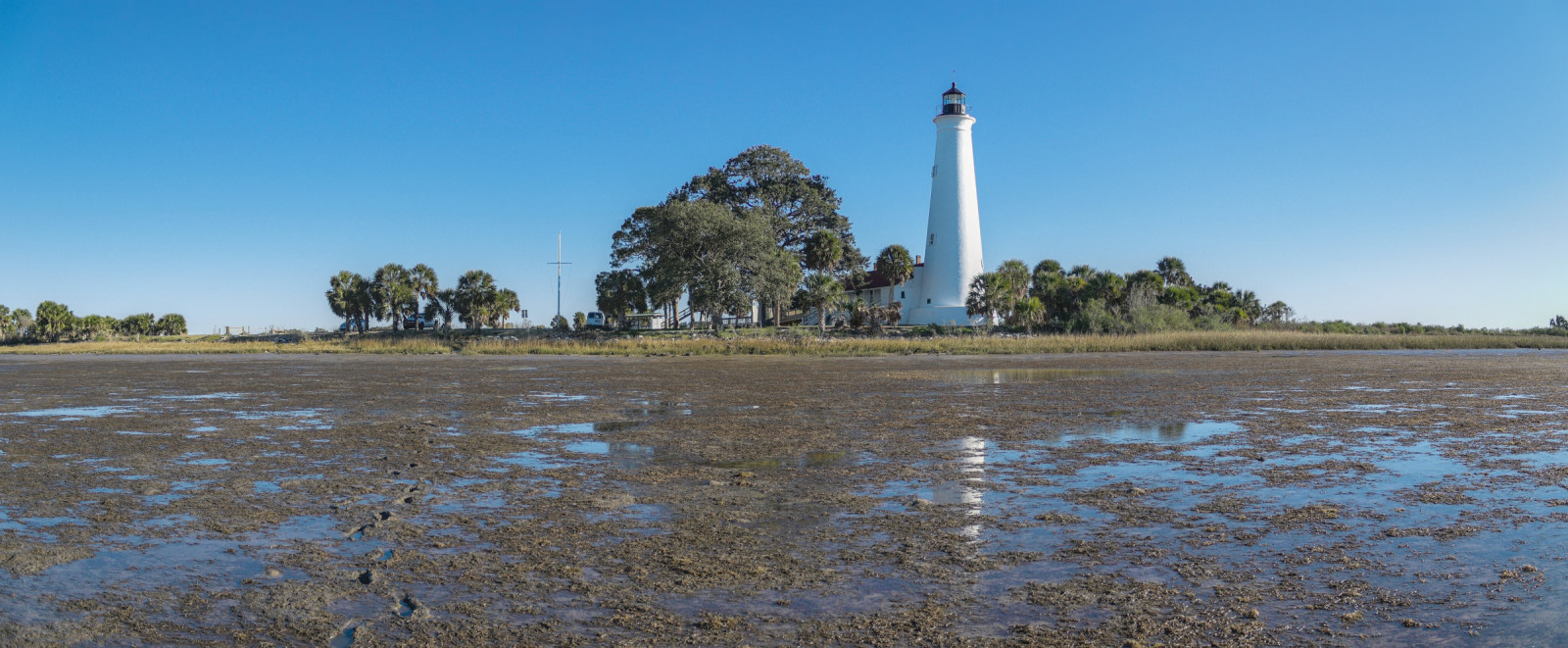
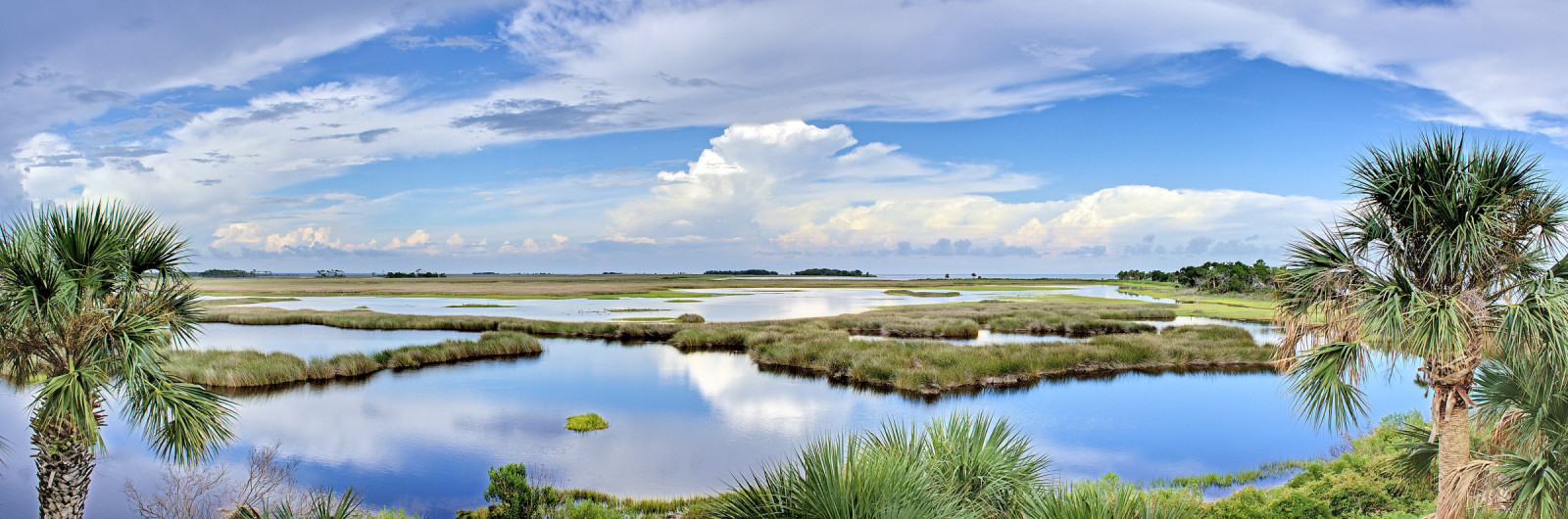
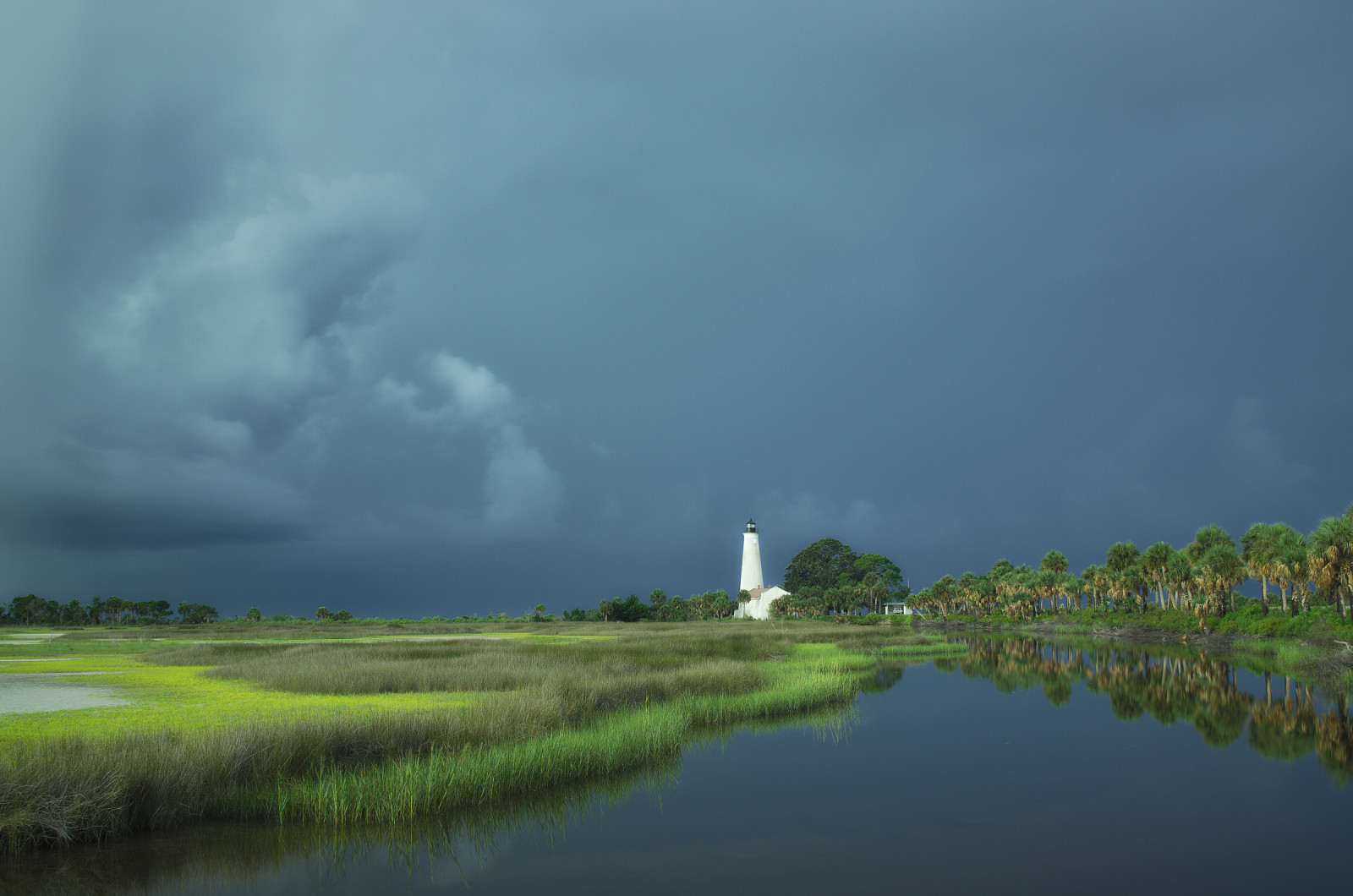
St. Marks National Wildlife Refuge encompasses more than 83,000 acres (336 km2) spread between Wakulla, Jefferson, and Taylor Counties. It is regarded as one of the best birding sites in Florida. The refuge includes several Gulf of Mexico coastal habitats, such as saltwater marshes, islands, tidal creeks, and the estuaries of several north Florida rivers. It is home to a diverse range of birds and the St. Marks Lighthouse.
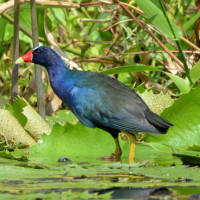
In April and May visit the Tower Pool 2-3 hours before high tide for spectacular views of shorebirds. Rarities are regular in early May. At the road’s terminus at the lighthouse, look for wintering waterbirds. Red-throated Loons are recorded annually. Lighthouse pond is good for wintering ducks including Canvasback. Headquarters Pond is good for Purple Gallinule. The Mounds Trail around Tower Pond is very good for migrant songbirds in spring.
Details
Access
St. Marks National Wildlife Refuge is located about 25 miles south of Tallahassee. From Tallahassee, take SR 363 (Woodville Hwy) to Wakulla. Turn left (east) on SR 267 (Bloxham Cutoff). At US 98 (Coastal Hwy), turn left (east) and cross the St. Marks River. Turn right on Lighthouse Road (CR 59) and drive 3 miles to the Visitor Center. Press a P on the map for directions to a parking. The outdoor areas are open daily Sunrise to Sunset (gate on Lighthouse Rd. opens at 6 am). The Visitor Center is open Monday - Friday 8 am - 4 pm, Saturday and Sunday 10 am - 5 pm. Entrance fee $ 5 per vehicle.
There is no place on the refuge to buy food or stay overnight, but picnic tables, drinking water and restrooms are available. There are several trails to explore the area on foot.
Terrain and Habitat
Wetland , Pond , Sea , Mud flatsConditions
Flat , Wet , Open landscape , High water possibleCircular trail
YesIs a telescope useful?
Can be usefulGood birding season
All year roundBest time to visit
Spring migrationRoute
Paved road , Wide pathDifficulty walking trail
EasyAccessible by
Foot , Bicycle , CarBirdwatching hide / platform
YesExtra info
Monarch butterflies congregate on their fall migration to Mexico in St. Marks National Wildlife Refuge. Butterfly viewing is best here in September and October.
 ) to insert bird names in your own language. The birdnames will automatically be translated for other users!