Description
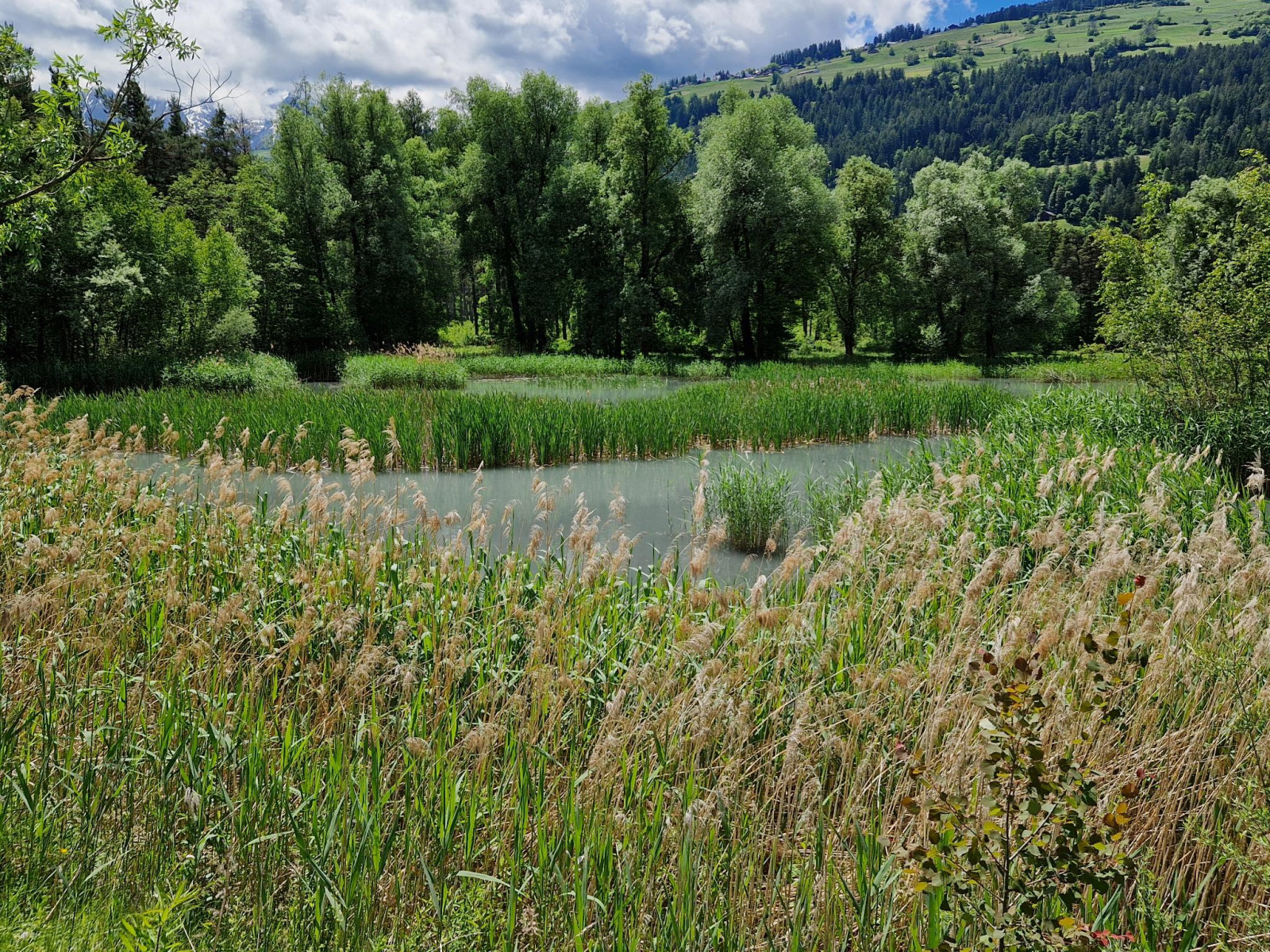
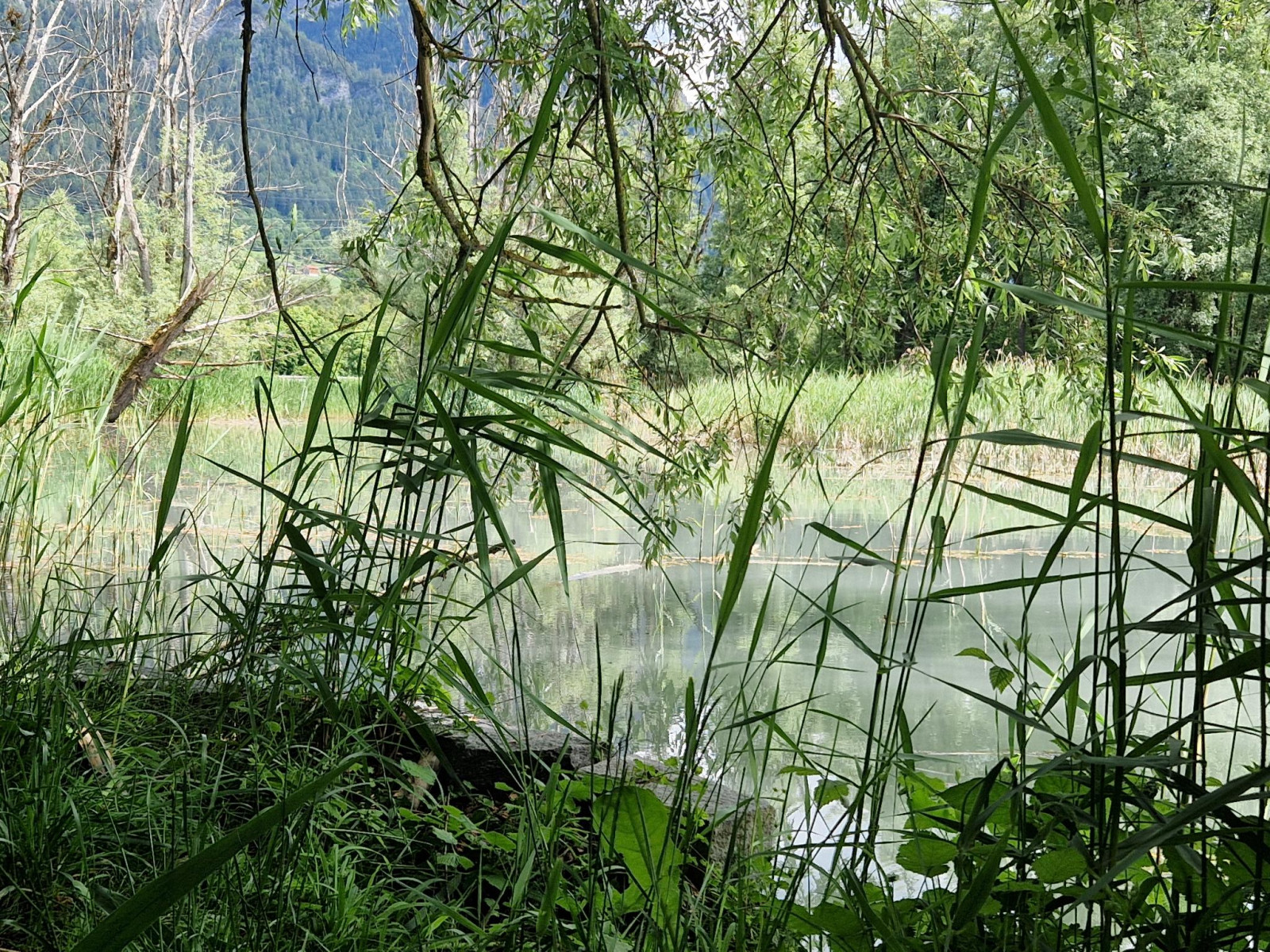
Set within the intensively used valley landscape along the channelized Hinterrhein, the Munté nature reserve at Cazis is the only semi-natural aquatic habitat in the area. Established near the close of the 20th century and covering just 13 hectares, it consists of several shallow ponds fed by Rhine water, bordered by reeds and willows. Other than birds, the area provides a habitat for species such as beaver, badger, and various small mammals.
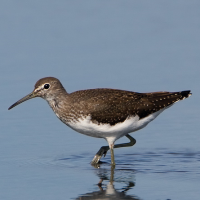
During migration periods, it becomes a resting place for bird species that depend on wetland environments. While the Hinterrhein Valley isn’t a primary migration corridor within Switzerland, a number of notable birds that are rare in the Alpine region have been recorded here. Among the approximately 140 species observed, there are (predominantly spring migration) reports of Common Snipe, Bluethroat, Garganey, Northern Shoveler, Little Egret, and Green Sandpiper. Both Purple Heron and Black-crowned Night Heron have been spotted occasionally even into May. In June 2021, a singing Great Reed Warbler was confirmed.
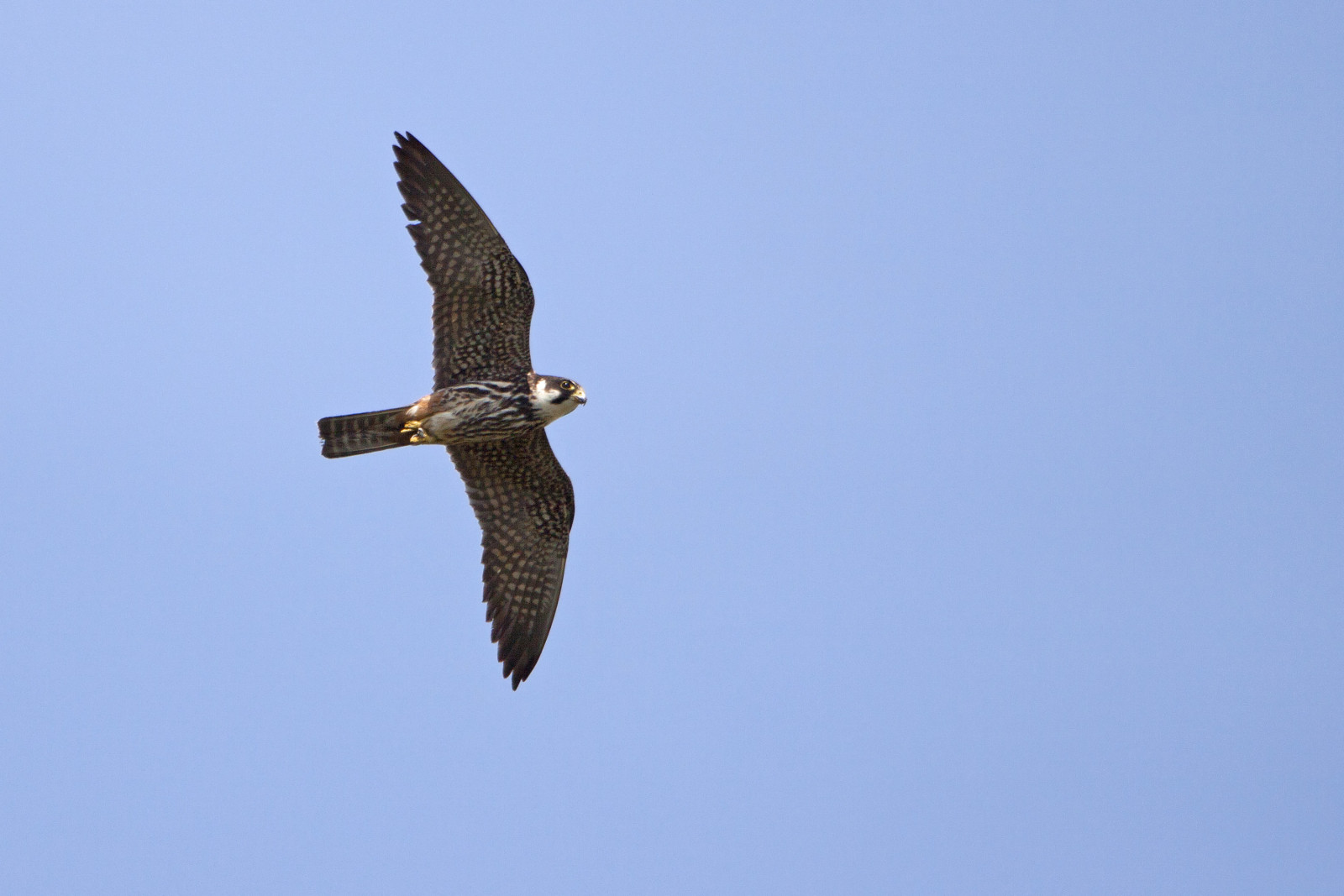
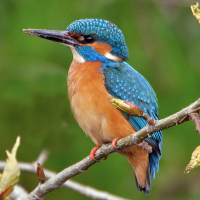
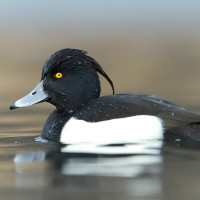
Before and after the breeding season, one may also catch sight of the Common Kingfisher. Verified breeding records are limited to a few species, such as Eurasian Hobby, Little Grebe and Tufted Duck, though Reed Bunting, Common Redstart, and European Stonechat have also been sighted during safe times (the latter two in the surrounding fields). In autumn, it’s worth watching out for Western Marsh Harrier, Penduline Tit, and Northern Lapwing. In November, the Great Egret, rare in the canton, was documented. Alongside these sightings, several rarities highlight the potential of this still-young reserve: A Squacco Heron was observed in 2011, followed by a Spotted Crake in 2012, a Common Redshank in 2019, and a Little Bittern in 2022.
Details
Access
The Munté site is divided into two pond complexes. One to the north (1) and one to the south (2). Both can be viewed from a slightly raised path that runs parallel to the Rhine and the highway. Additionally, the southern section can be observed from a cross-trail coming from Cazis, which also features a viewing platform at the entrance to the reserve (3). The elevated path is accessible via stairs and is not wheelchair-friendly. The nearest public transport stop is Rodels-Realta, reachable via Rhätische Bahn from Chur or Thusis. A small parking area is also located nearby (click P on the map for directions).
Terrain and Habitat
Forest , Wetland , River , Reedbeds , Scattered trees and bushes , Grassland , PondConditions
FlatCircular trail
NoIs a telescope useful?
NoGood birding season
Spring , AutumnBest time to visit
Spring migration , Autumn migrationRoute
Wide path , Unpaved roadDifficulty walking trail
EasyAccessible by
Foot , Bicycle , WheelchairBirdwatching hide / platform
NoExtra info
For the best experience, it’s recommended to visit the reserve during quieter times on the close-by highway. Early morning is ideal. In the vicinity, two additional sites are well worth a visit: the Heinzenberg to the west, where Whinchat breeds in high numbers, and the Rhine dam area near Reichenau/Tamins, known as a nesting ground for Common Sandpiper.
 ) to insert bird names in your own language. The birdnames will automatically be translated for other users!