Description
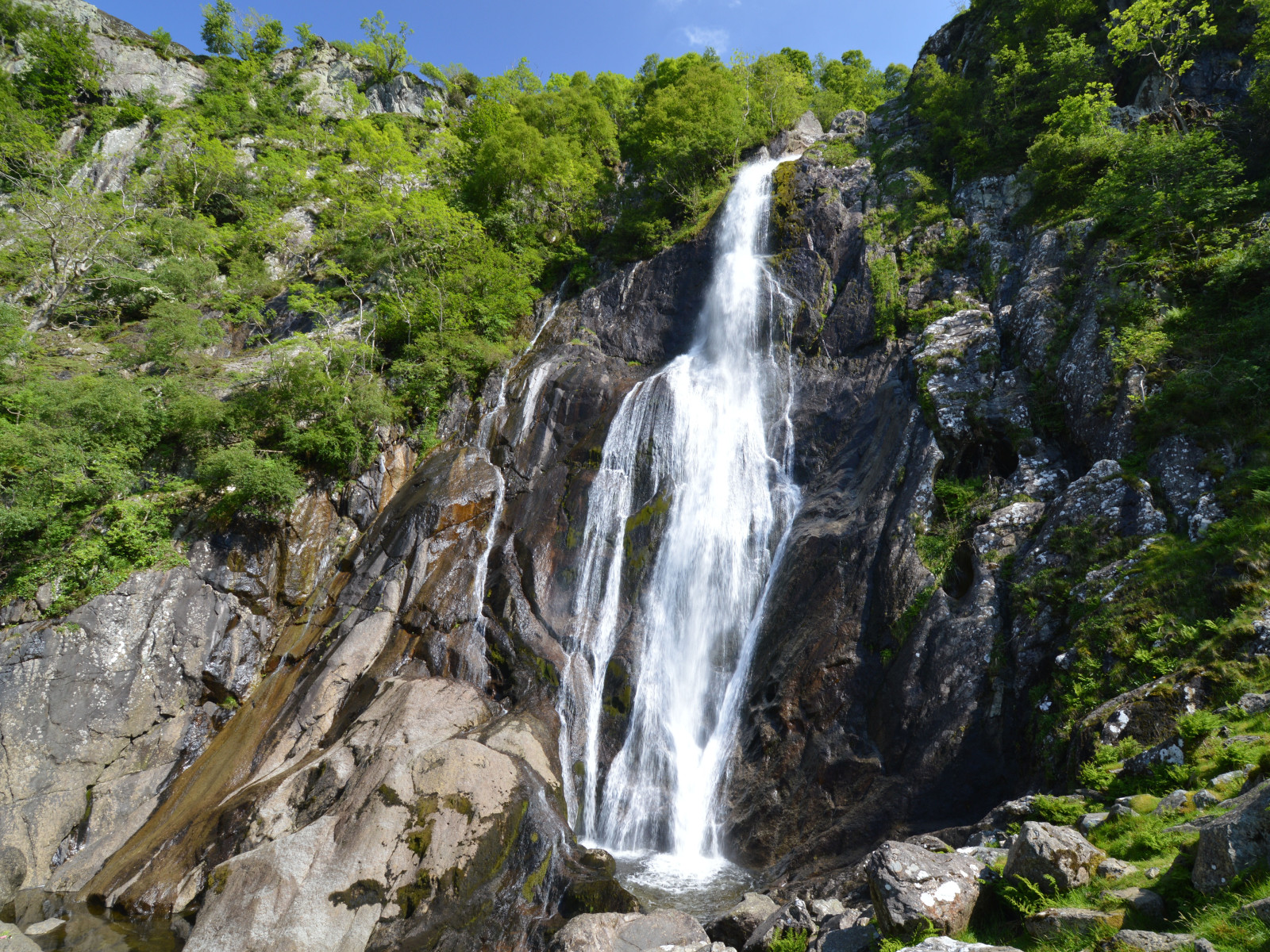
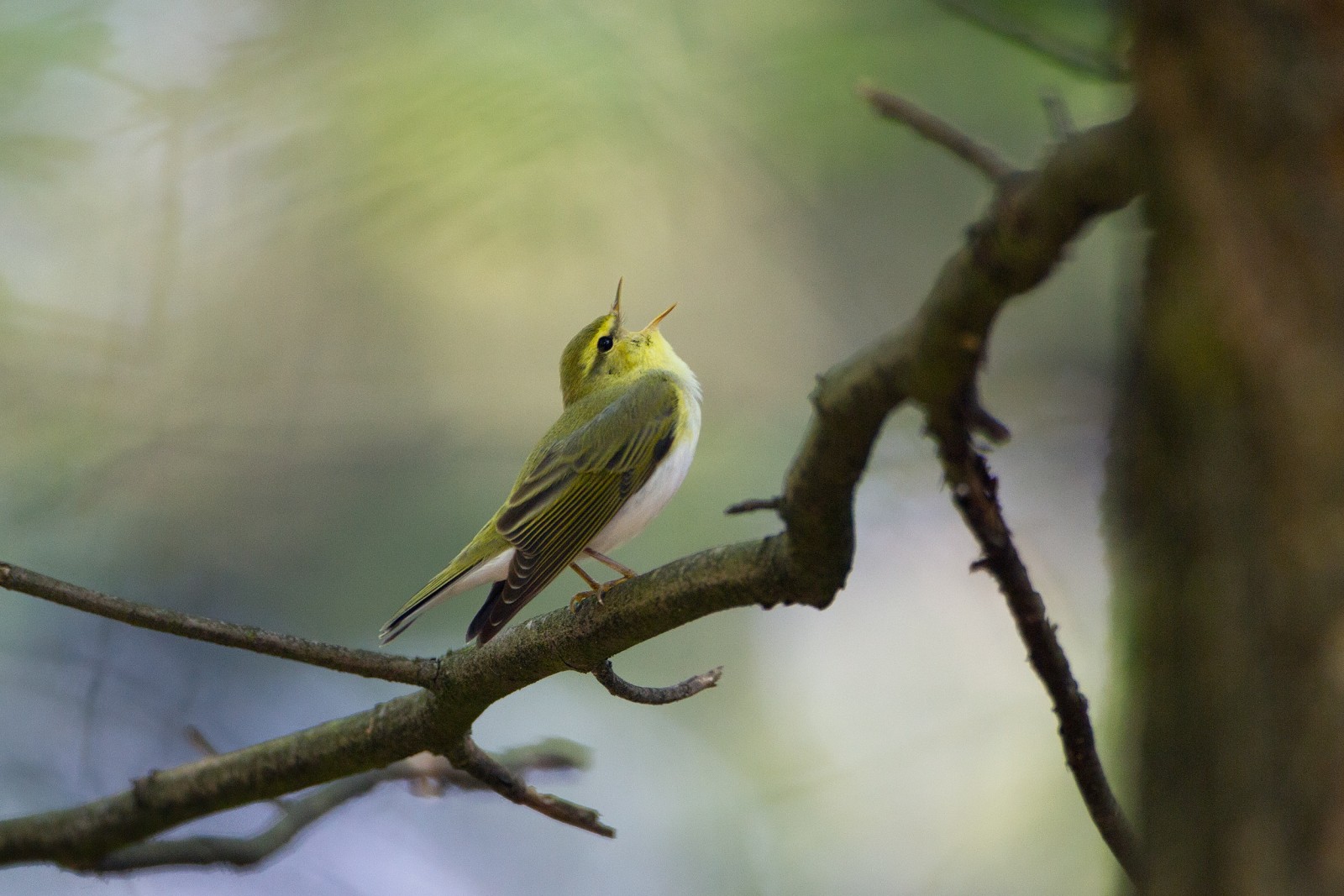
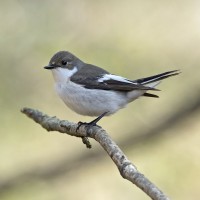
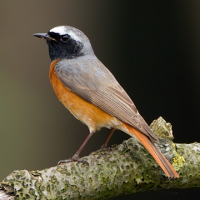
Aber Falls is located in one of the northernmost of Wales' classic hill valley woodlands. Easily accessible from the university city of Bangor and the North Wales coastal road. The semi-natural to natural woods of Oak, Ash, Alder, and Hawthorn are excellent breeding habitat for the four classical upland broadleaf woodland birds, Pied Flycatcher, Common Redstart, Tree Pipit and Wood Warbler, as well as resident species like Eurasian Green Woodpecker and Mistle Thrush. The river below the Falls, the Afon Goch, has White-throated Dipper, Grey Wagtail and Common Sandpiper. Around the cliffs beside the Falls, scan for Ring Ouzel in spring and summer, and on the screes, Whinchat, European Stonechat and Northern Wheatear. The area is bleak in winter, but flocks of Redwing and Fieldfare can be seen in the open ground, and Eurasian Siskin and Lesser Redpoll feeding on seeds in the Alders and Birches.
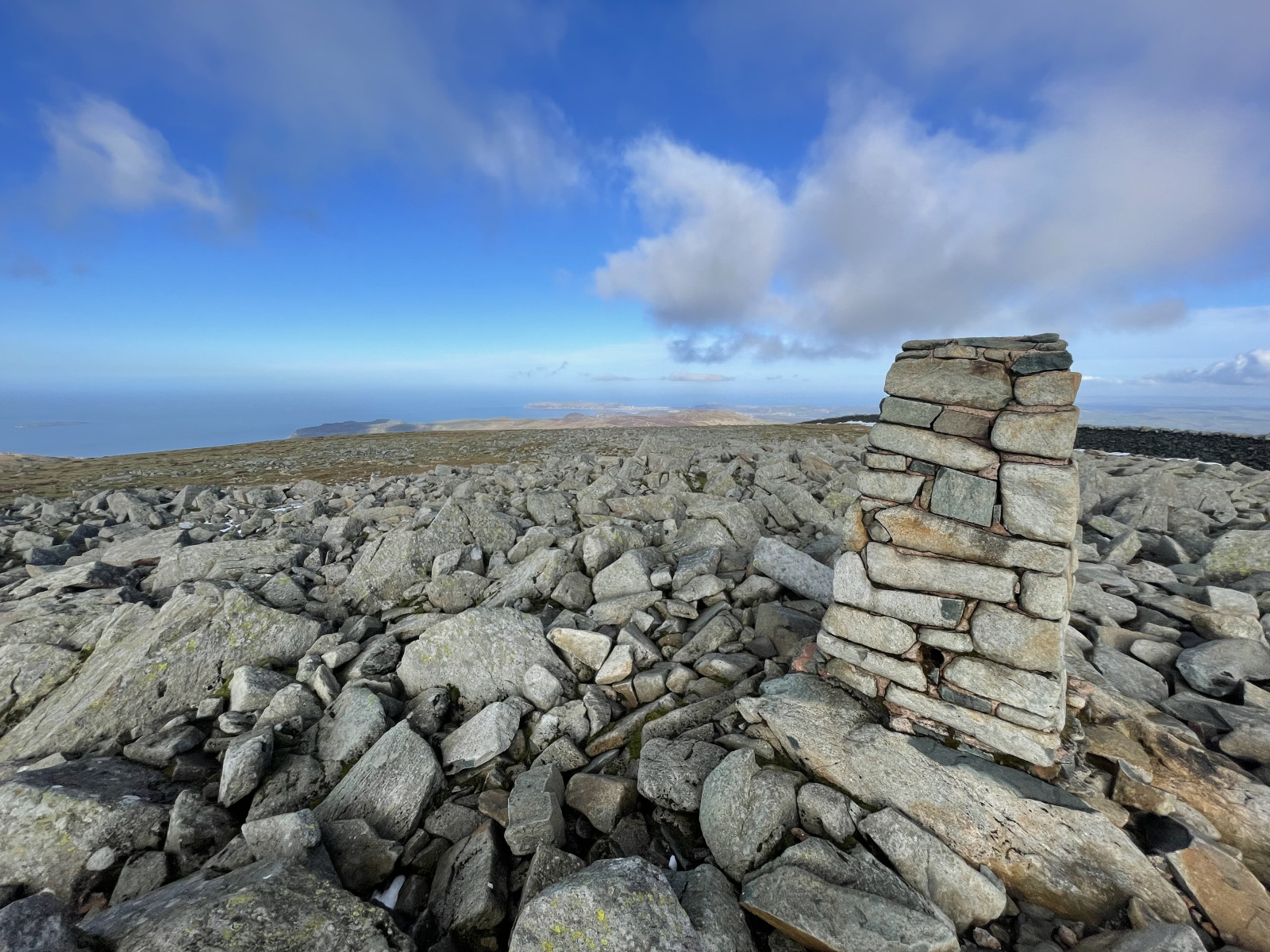
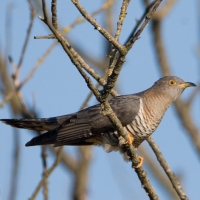
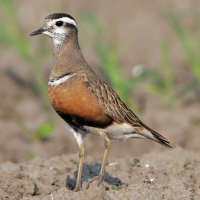
A longer, strenuous option is to continue to the southeast of the falls; climb up the side of the former plantation to the northeast of the Falls, then cut straight up the open moor to Llwytmor (849 m) and on to Foel-fras (944 m) and Foel Grach (974 m), or even to Carnedd Llewelyn (1,064 m). Birds up here are few, but Common Raven is reliable, Peregrine Falcon regular, Red-billed Chough occasional, and in mid to late May, spring passage Dotterel are frequently seen on the barren high tops. Be careful when descending to follow a safe path, don't try climbing down the cliffs beside Aber Falls!
Details
Access
Take the bus from Bangor to Llanfairfechan (and beyond), alight at Abergwyngregyn and walk from there; alternatively, cycling from either Bangor (10 km) or Llanfairfechan (4 km) rail stations. For cars, see the P sign on the map for directions.
Terrain and Habitat
Forest , Mountain , Canyon/cliff , Scattered trees and bushes , Grassland , Plateau , Valley , RiverConditions
Mountainous , Wet , Hilly , Rocky , Open landscape , SlipperyCircular trail
YesIs a telescope useful?
NoGood birding season
Spring , SummerBest time to visit
Spring , SummerRoute
Wide path , Unpaved road , Narrow trailDifficulty walking trail
Average walkAccessible by
Foot , Bicycle , CarBirdwatching hide / platform
NoExtra info
Note that the mountain option should only be attempted during good weather (dry, with cloud base reliably above 1,500 m). With low cloud and rain - frequent at any time of the year - the moors become very dangerous, as it is easy to get lost and fall down any of the many crags. Make sure you are equipped for heavy rain at any time - this is a temperate rainforest area! In winter, deep snow can be expected above 300-400 m; do not attempt the mountains in this without good mountaineering experience!
Photo of Aber Falls by Clive Giddis, cc-by-sa license, from geograph.org.uk (photo 4006020).
 ) to insert bird names in your own language. The birdnames will automatically be translated for other users!