Description
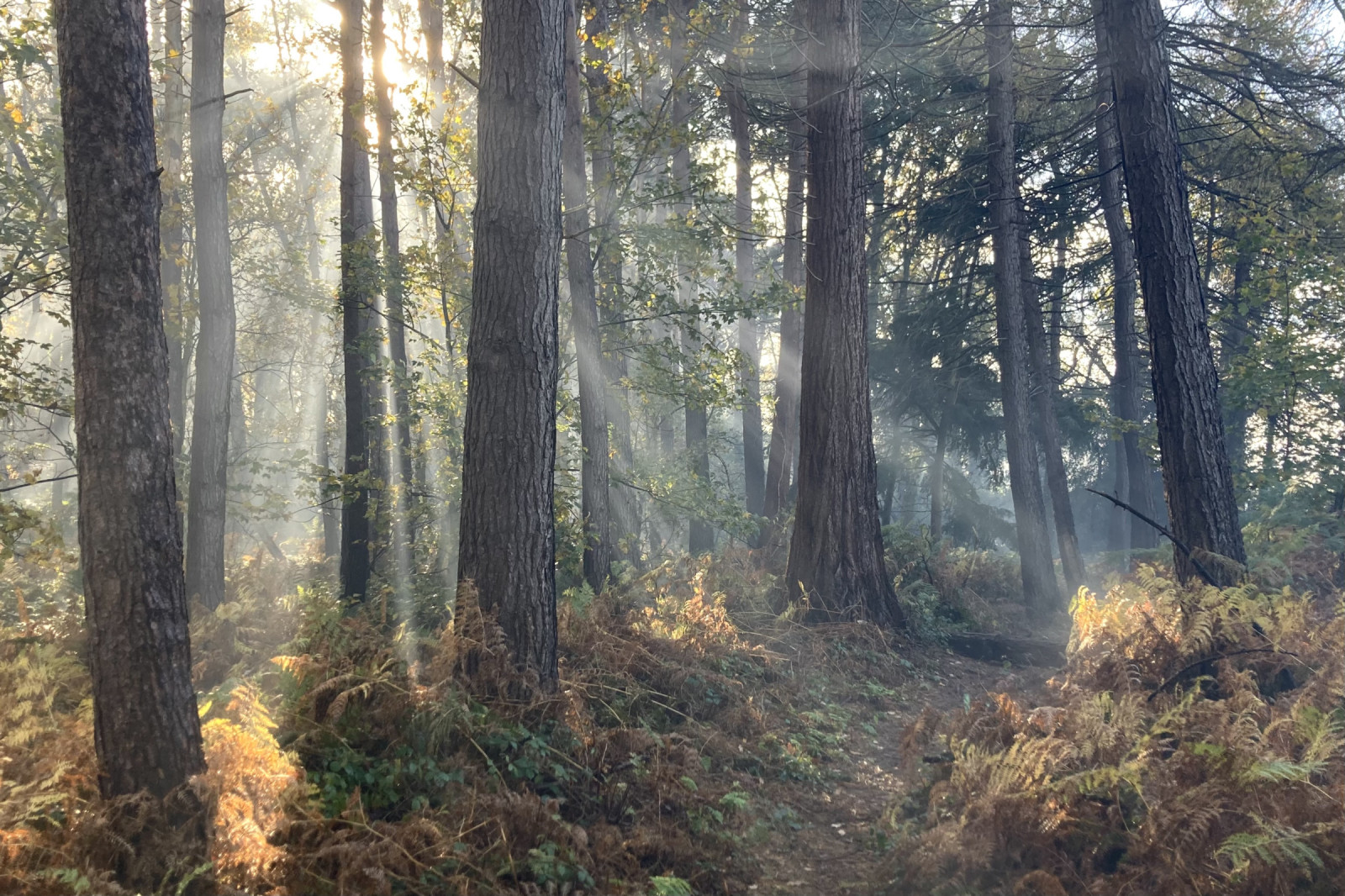
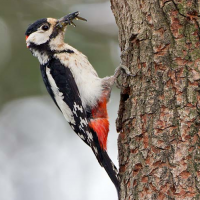
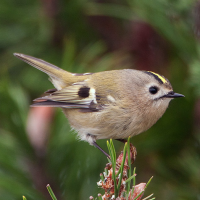
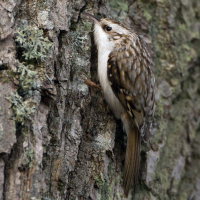
The main accessible area of the nature reserve is a wet woodland with tree species such as alder and birch. There is an unmarked footpath that does a short loop around the area, although it is uneven and can be wet at times. Typical birds for this habitat are present, flocks of tits Eurasian Blue Tit, Great Tit, Long-tailed Tit and Goldcrest are common as are Common Wood Pigeon and thrushes. Great Spotted Woodpecker and Eurasian Treecreeper are usually heard or seen, as well as other common birds such as Wren.
A public footpath can be taken to make a longer loop, from which neighbouring pasture/farmland can be surveyed. In the winter a flock of Fieldfare and Redwing is likely. Dunnock and European Goldfinch are common. Meadow Pipit is possible.
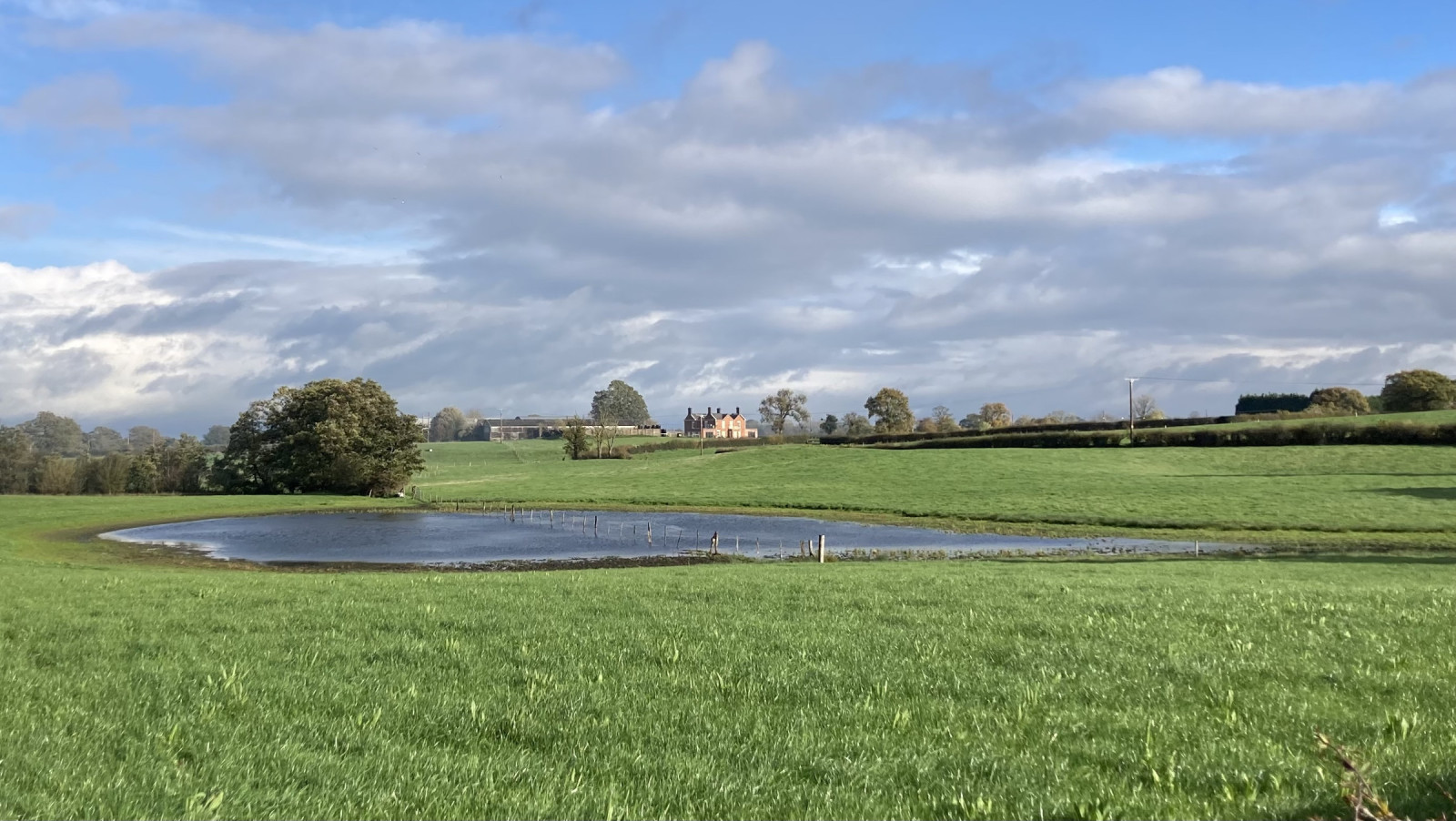
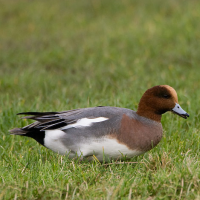
Taking the public footpath to the east also gives a view of a small flooded pond area in the field. It often hosts various waterfowl such as Mallard, Tufted Duck, Canada Goose and Greylag Goose and in the winter Eurasian Wigeon and Black-headed Gull. If you wanted to check for rings a long lens or telescope would be useful.
The Cranberry Bog and Black Mere part of the reserve is off-limits to casual visitors due to safety concerns, however Great Cormorant can often be seen perched in the trees that surround that area, but it likely attracts various other birds to the general area anyway.
Details
Access
Black Firs and Cranberry Bog is located 6 miles southeast of Crewe. A small but usually unused car park is available on the main road. Press P on the map for directions. It is free to use and is not access restricted. The circular route shown on the map is about 3 km.
 ) to insert bird names in your own language. The birdnames will automatically be translated for other users!