Description
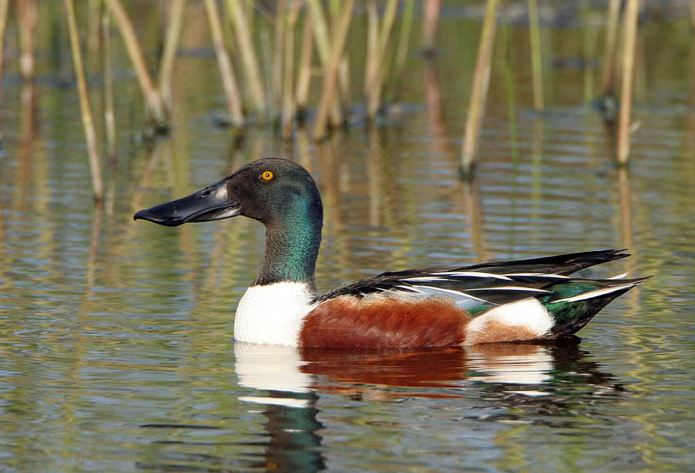
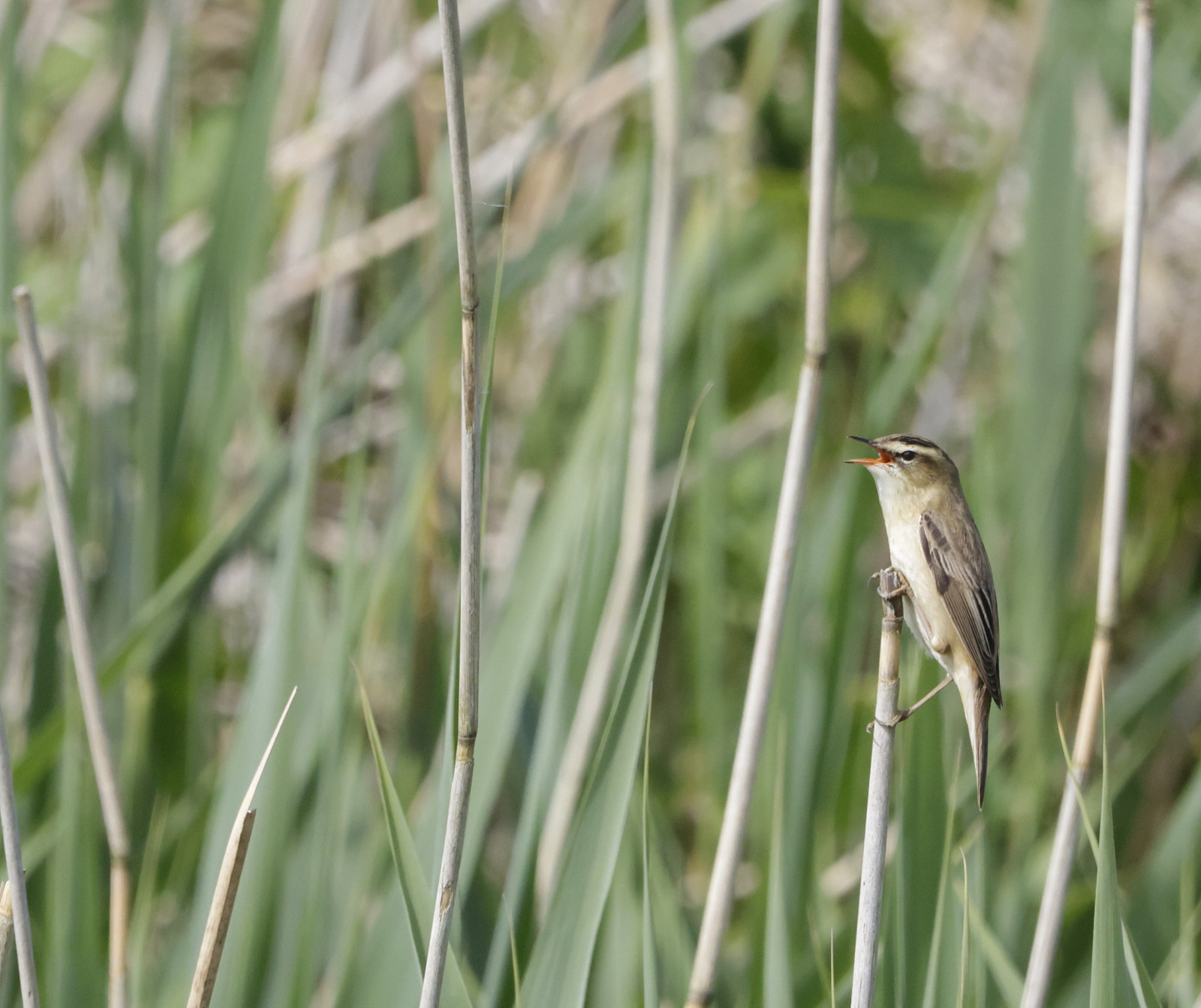
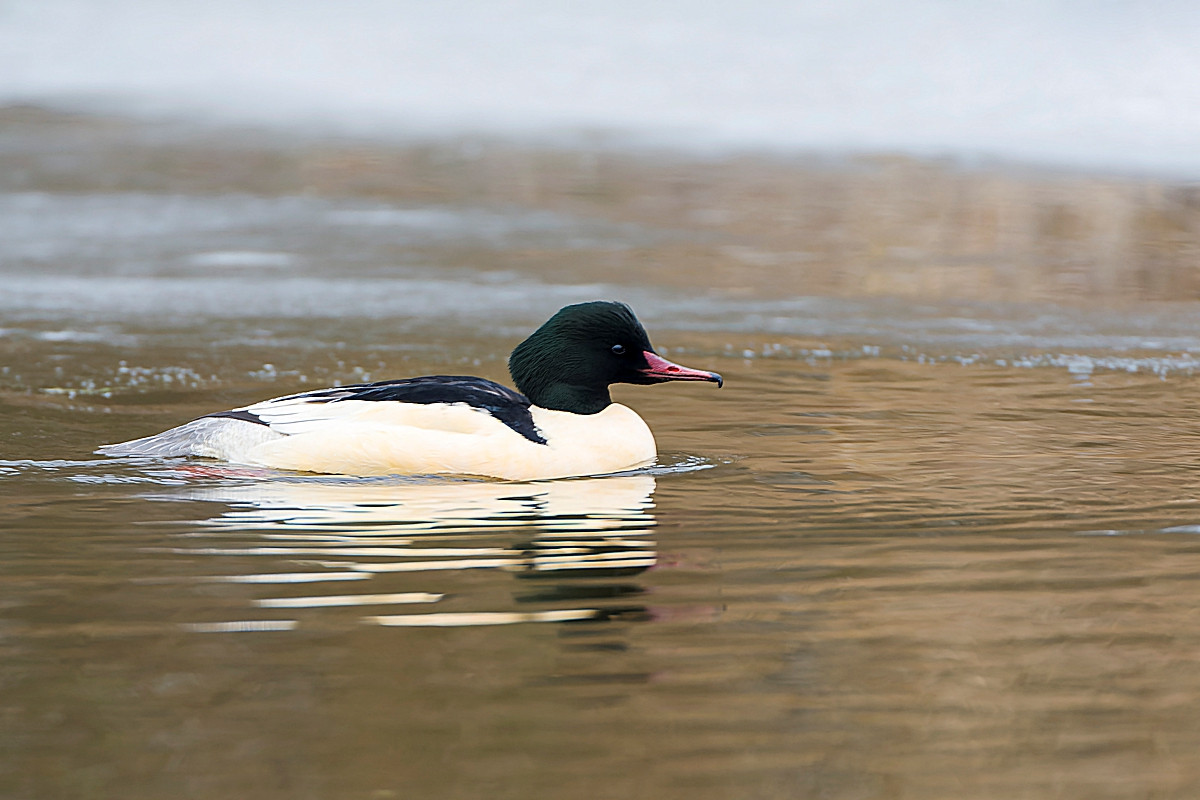
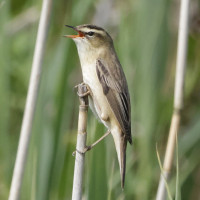
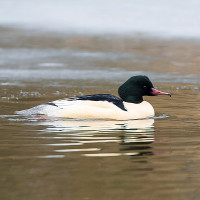
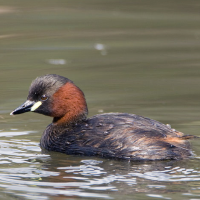
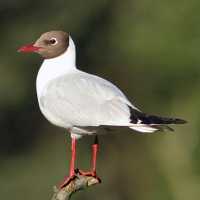
Chew Valley Lake is a a great place to spot wildfowl including migrating birds feeding in the reed beds around the lake. Breeding birds include Great Crested Grebe and Little Grebe, Gadwall, Tufted Duck, Northern Shoveler and Common Pochard. Eurasian Hobby often feed over the area in late summer. When the water level falls, the mud attracts waders such as Dunlin, Common Ringed Plover and Green Sandpiper. Wintering wildfowl include important numbers of Northern Shoveler, Gadwall, Eurasian Teal and Tufted Duck. Goosander, Great Crested Grebe and Great Cormorant also occur in large amounts. The reedbeds are a vital autumn feeding station for Sedge Warbler and Reed Warbler prior to their migration. The winter gull roost is a spectacular sight with up to 50,000 or more, mostly of Black-headed Gull, Common Gull and Mediterranean Gull. Chew Valley Lake also often attracts rare birds, including Osprey, the scarcer grebes, and an American wader or duck appears most years.
Details
Access
General access available from the road side and picnic areas. Pavements run along the main road side, paths to picnic sites. There is a visitor centre and cafe at the picnic site near the dam. There are also two trails (indicated on the map). There are several bird hides at Chew Valley Lake, but you need a permit to visit these hides, except for the Bernard King Hide on the Bittern Nature Trail. The hides at Wick Green, Nunnery Point and Moreton Bank are available in the winter, but the Stratford hide offers the best all-year viewing. Permits obtainable from Bristol Water Recreation Department, Woodford Lodge (tel. 01275 332 339).
Terrain and Habitat
Lake , ReedbedsConditions
Open landscapeCircular trail
NoIs a telescope useful?
Can be usefulGood birding season
All year roundBest time to visit
Spring , Autumn migration , Spring migration , WinterRoute
Paved road , Wide pathDifficulty walking trail
EasyAccessible by
Foot , Bicycle , CarBirdwatching hide / platform
YesExtra info
The Chew Valley Lake Birding website (see the link below) is very informative and contains frequently updated news and information on its birds and wildlife.
 ) to insert bird names in your own language. The birdnames will automatically be translated for other users!